The draw of UK IP as a source of film and television projects is irrefutable.
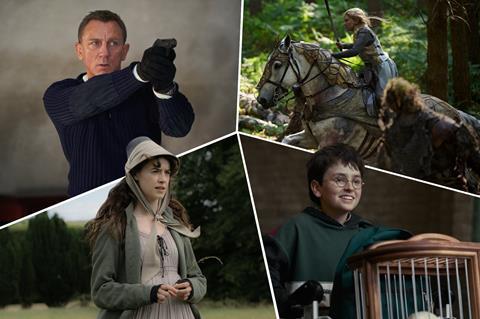
Global box office franchises and award-winning TV series with demonstrable cultural impact and critical acclaim continue to attract producers, filmmakers and audiences alike. From iconic stories such as James Bond, Lord of the Rings and Harry Potter, to newer adaptations like Slow Horses, Downtown Abbey, Rivals and the upcoming Ebenezer (based on the classic Charles Dickens character) and much-loved animations such as Aardman’s Shaun the Sheep and the world-renowned Paddington, audiences around the world continue to devour UK content.
That literary tradition has long underpinned the industry. Stories from a swathe of UK writers including (but not limited to) Shakespeare, JRR Tolkien, Charles Dickens, Jane Austen, HG Wells, Arthur Conan Doyle, George Orwell, Enid Blyton, Ian Flemming, Helen Fielding (creator of Bridget Jones) and Michael Bond (who, of course, created Paddington) have captured the attention of a global audience.
Cross culture resonance
The evergreen popularity of Austen has been proven again this autumn, with Working Title and Focus Features’ adaptation of Sense And Sensibility now in worldwide cinemas. It’s directed by UK filmmaker Georgia Oakley, who is following up her 2022 Bifa winner and Bafta nominee Blue Jean, and centres on sisters Elinor and Marianne Dashwood as they navigate love, loss and financial uncertainty in 18th-century England.
The film has been adapted by first-time screenwriter Diana Reid, who says her approach was shaped by a lifelong love of the author. “When I took on the project, I had to satisfy myself that I had something to say about the story that I didn’t think had been said on screen before,” notes Reid, who was determined to preserve Austen’s cadence and rhythm while reshaping the story for a modern audience.
Reid pitched an adaptation that would emphasise female relationships, emotional honesty and the balance between personal desires and consideration for others – themes she believes run through plenty of IP from the UK’s shores.
“Austen is a huge part of the UK’s cultural heritage, but she’s also beloved the world over and she resonates cross culturally,” says Sydney-born Reid. “Maybe there is something about not being from here that allows you to tap into those universal resonances as well as the more hyper-specific UK ones.”
The film is the second major feature version of the novel, following Ang Lee’s 1995 take starring Emma Thompson and Kate Winslet, which has taken $135m worldwide and won Thompson an Oscar for her adapted screenplay. Working Title and Focus previously brought Pride & Prejudice to the screen in 2004, which grossed $132m and earned four Oscar nominations, and collaborated on 2020’s Austen adaptation Emma ($29m).
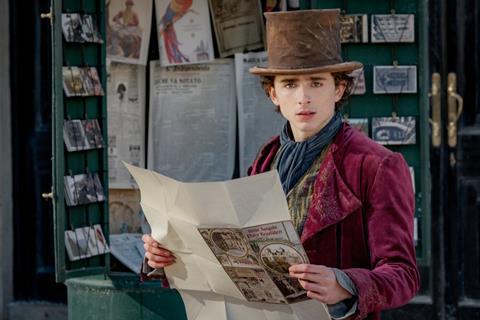
Austen is part of a long line of recent and upcoming UK IP that combines cultural specificity with cross-border storytelling across every genre. The success of Harry Potter, Paddington and Wonka, a prequel inspired by Roald Dahl’s Charlie and the Chocolate Factory novel (all produced by David Heyman through Heyday Films) is testament to the power of UK stories with universal themes.
Heyman is also producing the next Bond film for Amazon MGM Studios with Amy Pascal, underlining his status as one of the leading producers of UK stories on the global stage. Peaky Blinders creator and screenwriter Steven Knight is writing an original script for the next, still-to-be announced 007.
Not all great UK stories come from the pages of books, however. Other UK IP is just as widely celebrated on the global stage, winning awards and audiences in equal measure. Projects like Rapman’s Supacell, Jack Thorne’s Adolescence, Knight’s Peaky Blinders: The Immortal Man and Richard Gadd’s Baby Reindeer have proved globally successful.
And UK music and musical biopics have also been hitting the high notes, with films about legends including Elton John (Rocketman), Queen (Bohemian Rhapsody) and Amy Winehouse (Back To Black) striking a strong chord with audiences around the globe.
Award-winning IP
The UK is renowned for being home to some of the best writers in the world, with award-winning British screenwriters including Michaela Coel (I May Destroy You), Emma Thompson (Sense and Sensibilty), Peter Straughan (Conclave), Peter Morgan (The Crown), Jesse Armstrong (Succession), Phoebe-Waller Bridge (Fleabag), Julian Fellowes (Downton Abbey), Richard Curtis (Love Actually/Bridget Jones) and Emerald Fennell (Promising Young Woman).
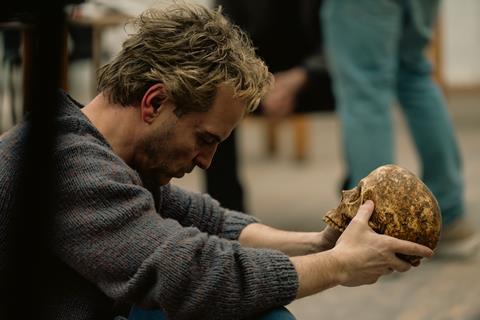
And as the 2026/2027 awards season ramps up, UK content is once again leading the charge with Simon Stone’s Elsinore, which premiered at Telluride and opened the BFI London Film Festival, being one of the major frontrunners. Written by actor-turned-playwright Stephen Beresford, Elsinore is based on the life of UK actor Ian Charleson, played by a phenomenal Andrew Scott, as he endeavours to perform Hamlet at London’s National Theatre while terminally ill with AIDS in the late 1980s.
Family and animation projects provide another standout source of border-busting UK fare. Bristol-based Aardman, founded by Peter Lord and David Sproxton in the 1970s, with multi-Oscar-winning filmmaker Nick Park joining a decade or so later, is a model of how UK IP can find worldwide success.
Park’s claymation work with Wallace, the cheese-loving northern inventor, and his long-suffering dog Gromit has been a mainstay of big and small screens for more than 35 years, earning the filmmaker four Oscars and five BAFTAs. And with September’s release of Shaun The Sheep: The Beast Of Mossy Bottom – the third Shaun feature after 2015’s Shaun The Sheep Movie and 2020’s A Shaun The Sheep Movie: Farmageddon – more awards recognition could well be on the horizon.
Global attraction
The attraction of UK IP is a heady mix of high-profile source material, English-language scripts, recognisable UK talent in front of the camera and world-leading crew behind it.
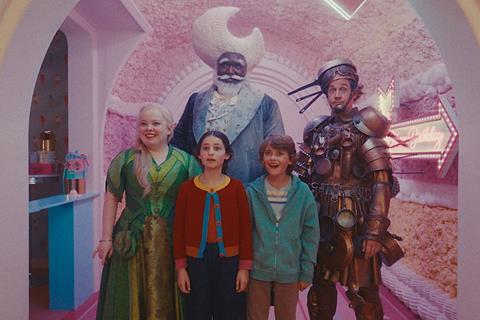
One such luminary is UK producer Pippa Harris, co-founder of Neal Street Productions, who is producing the four-part The Beatles film series and won a BAFTA for her work on Chloé Zhao’s Hamnet, adapted from Maggie O’Farrell’s bestselling novel. Her other credits include Sam Mendes’ war drama 1917 co-written by the filmmaker Krysty Wilson-Cairns, Ben Gregor’s Enid Blyton adaptation The Magic Faraway Tree and HETV series Call The Midwife.
”Hamnet and The Magic Faraway Tree could scarcely be further apart in terms of tone and narrative, yet both are examples of how UK IP is able to punch above its weight and tell universal stories, which connect with audiences around the world,” says Harris. “It’s not just that both books are in the English language and already had loyal followings before we made the film versions, or that both films boast stellar casts; it’s that both tap into themes of childhood, love, loss and family which have global appeal.”