


International producers have long turned to the UK to take advantage of its world-leading crew, infrastructure and reputation for delivering high-end content. That package is enhanced by competitive national tax incentives, which have helped attract productions from blockbuster features to high-end television drama. A new addition to this offering is the Enhanced Audio-Visual Expenditure Credit (Enhanced AVEC) for lower budget features, introduced in 2023.
One recent production to have taken advantage of the Enhanced AVEC is Steven Soderbergh’s The Christophers, starring Ian McKellen, Michaela Coel, Jessica Gunning and James Corden. The UK-US coproduction scored UK distributor Picturehouse Entertainment its biggest ever box office opening.
“In real world terms, having the equivalent of 31.8% of our budget be credited to us by HMRC was hugely beneficial to being able to raise finance for the project,” says producer Jim Parks, who notes that the initiative allowed the production to hire great teams, shoot on location in London and keep post and VFX in the UK.
“We could portray a very authentic and honest version of London life because we shot everything here for real,” he says. “No movie magic or sleight of hand, just the best UK creative talent, actors, crews and services all doing fantastic work and shining a light on our artistic strength and culture here.”
These incentives are bolstered by a robust and growing network of top-up funds across England, Scotland, Wales and Northern Ireland, which complement the local talent, facilities and unique locations available across the UK. Each nation and region has developed its own funding ecosystem, offering tailored support for a variety of big- and small-screen production.
England
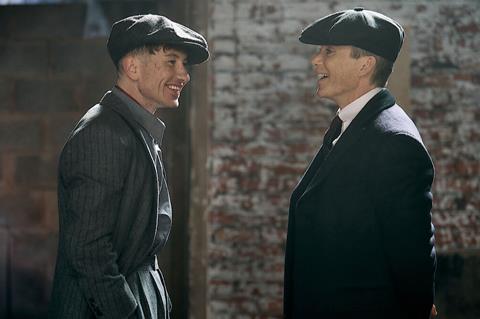
In the North West, the Greater Manchester Combined Authority (GMCA) launched a £10.5m production fund in March 2026, which aims to attract inward investment, support local crews and facilities and provide an additional incentive for productions.
“The fund will further strengthen Greater Manchester’s position as a destination for film and HETV production,” says Rob Page, managing director of Space Studios which has played host to Stephen Knight’s Peaky Blinders: The Immortal Man (Netflix) and HETV shows A Gentleman In Moscow (Paramount+), Talamasca: The Secret Order (AMC) and Run Away (Netflix).
“Since the fund launch in March, we have seen a significant increase in enquiries from producers and production companies looking to use the fund and bring their projects to Greater Manchester,” adds Page.
Similarly, the North East Production Fund is managed by Sunderland and Hartlepool-based North East Screen with funding from the North East Screen Industries Partnership. Among the projects to access their top up funding support are British action thriller Jackdaw, financed and produced by the London-based film and television studio Anton Corp, and two series of the BBC’s Middlesbrough-set LGBTQ+ comedy drama Smoggie Queens – both based at the Northern Studios.
Another regional incentive is the West Midlands Production Fund, a legacy recoupment fund that was originally fed by the European Regional Development Fund. It remains self-sustaining by reinvesting recoupled finance from previously successful investments. Says Paul Ashton, head of film and TV at Creative UK, “The fund makes a limited number of strategic investments each year which are dependent entirely on the recoupment profile of the fund at any given moment.”
Recent West Midlands Production Fund investments include Ted Evans’ Retreat, which premiered at Toronto Film Festival in 2025 and will release later in 2026; The Colour Room, a Sky Cinema production telling the story of Staffordshire ceramicist Clarice Cliff; and Terence Davies’ final film Benediction, about the war poet Siegfried Sassoon.
Elsewhere, Liverpool Film Office has backed several productions through joint funding initiatives, including Babak Jalali’s comedy drama A Town in Nova Scotia, ITV’s six part courtroom legal thriller Saviour and BBC backed HETV drama This City Is Ours.
Yorkshire also continues to build momentum as a busy production base, with the likes of Shane Meadows’ new feature Chork, Paul Andrew Williams’ drama Dragonfly, crime thriller Virdee and BBC drama Reunion taking advantage of Screen Yorkshire’s Yorkshire Content Fund.
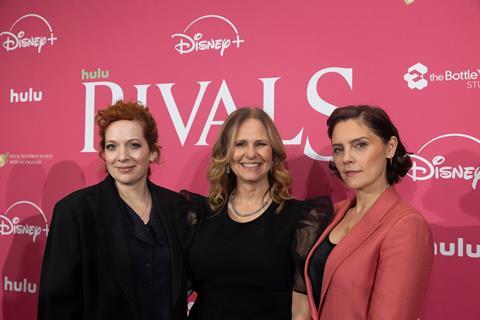
Additionally, the West of England’s Mayor’s office will also launch a regional production fund later this year, to help support production in the busy region which has recently hostel season two of Disney+ series Rivals – based at Bristol’s The Bottle Yard Studios. “The economic impact of TV and film is huge for jobs and businesses in the West of England, which we want to super-charge using some of our new £25 million Creative Places Growth Fund,” noted Helen Godwin, mayor of the West of England. “We have consulted widely on our plans and, this autumn, look forward to officially launching a regional production fund.”
Scotland
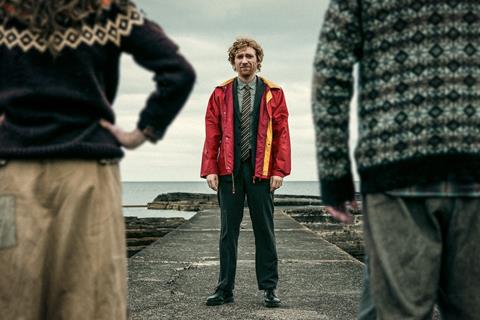
Scotland has built a strong track record of attracting international productions, with Screen Scotland playing a central coordinating role. Recent titles benefiting from top-up funds include Louis Paxton’s comedy debut The Incomer, starring Domhnall Gleeson and House Of The Dragon star Gayle Rankin. The film was backed by BFI National Lottery funding and Screen Scotland, with additional support from musician Moby and Lindsay Hicks’ US production company Little Walnut; Day Zero Productions, a joint US venture between Paramount Global and Trevor Noah; the UK’s Head Gear; and Ireland’s Inevitable Pictures.
Mystery thriller Black Church Bay, the debut feature from writer/director Rhys Marc Jones, was developed and production financed by BBC Film. Ffilm Cymru Wales awarded National Lottery funding with Screen Scotland also backing the project.
Other recent productions that have benefited from Scottish top-up funding include actor James McAvoy’s directorial debut California Schemin’; family drama Glenrothan, directed by and starring Brian Cox; and George Jaques’s youth drama Sunny Dancer.
Wales
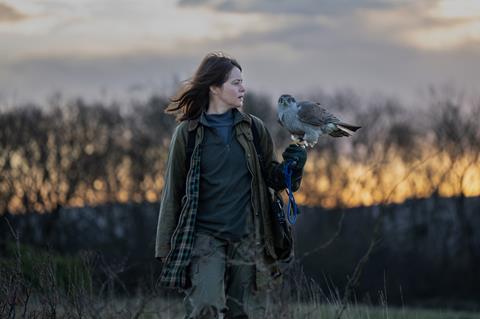
Wales has also established itself as a significant production hub for both film and TV, with Philippa Lowthorpe’s recent feature H Is For Hawk having taken advantage of the region’s financial incentives.
The film, which was produced by US company Plan B alongside Cardiff-based production company Good Gate Media, blended top up funding from Creative Wales/Ffilm Cymru with EAVEC. That funding combination “ensured the film remained in the UK, and specifically Wales,” says Good Gate Media founder John Giwa-Amu, who also produced psychological thriller The Man in My Basement which was set in Sag Harbor, New York but filmed entirely in South Wales.
Other films reaping the benefit of Creative Wales production funding include Marc Evans’ Mr Burton and his North Wales set drama Effi o Blaenau; Celyn Jones’s Madfabulous, a feature film inspired by the flamboyant life of the fifth Marquess of Anglesey; and Young Vic artistic director Nadia Fall’s debut Brides.
Creative Wales has also funded major HETV shows including the second season of House of the Dragon (HBO), Out There (ITV), Death Valley (BBC), The Guest (BBC), Young Sherlock (Amazon Prime Video), and Under Salt Marsh (Sky).
Northern Ireland
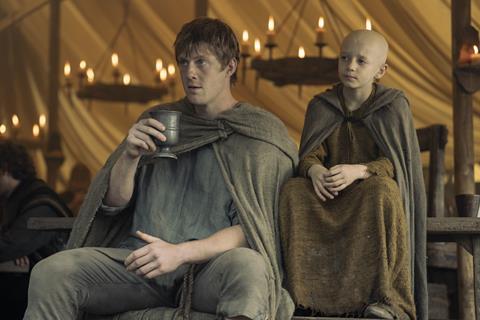
Northern Ireland Screen lies at the heart of the country’s top up funding offering with funds supporting development and production, and cultural pots including the Irish Language Broadcast Fund (ILBF) and the Ulster-Scots Broadcast Fund (USBF).
Recent feature film recipients of top-up funding include Rich Peppiatt’s Kneecap, a biographical comedy-drama based on the West Belfast rap trio, and John Carlin’s drama Lie Of The Land. Amongst the HETV projects that have benefited from regional support are A Knight Of The Seven Kingdoms, the fourth series of Blue Lights and the seventh series of Line of Duty.







No comments yet