







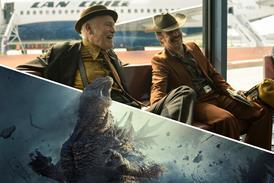



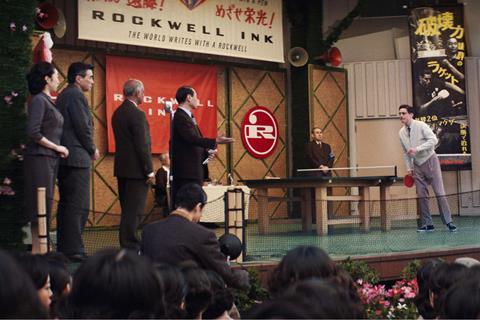
The perception of Tokyo as a challenging city in which to film is changing. The Tokyo Film Commission (TFC) has supported myriad productions using the city’s famed neon-lined streets, and its lesser-known parks and rivers, on series including Apple TV’s Monarch: Legacy Of Monsters and HBO’s Tokyo Vice, and features such as A24’s The Smashing Machine and Marty Supreme.
Filming in Tokyo is attractive, both aesthetically and financially. In addition to Japan’s location incentive of 50% of eligible costs, TFC offers its own incentive: a 50% cash rebate of eligible expenses, up to ¥1m ($6,300) for location scouting and ¥10m ($63,000) for filming in Tokyo.
Access in the city is widening, too, with more filming taking place across Shinjuku, including locations outside Kabukicho, from the area around the Tokyo Metropolitan Government Buildings to the west and east exits of Shinjuku Station. TFC cites its efforts in visiting police stations across the city and encouraging co-operation with location filming as helping to pave the way for filming in these kinds of areas.
Of course, challenges for incoming productions remain. Tokyo is so densely populated that any filming that involves traffic restrictions is particularly demanding, and permits can take longer than some may expect. The permit process is made significantly easier with TFC’s support. A spokesperson advises allowing “sufficient time for preparation” and sharing detailed information with Japanese partners from the outset.
This approach ensured a successful shoot for Marty Supreme, starring Timothée Chalamet. The production filmed at the outdoor stage in Ueno Park for a pivotal scene. Recreating the 1950s atmosphere required extensive set dressing, but the stage is fenced off from the rest of the park and could be used almost as an open‑air backlot.
The Japan crew was “thrilled” to work with the Marty Supreme creative team, says Georgina Pope of Toho Tombo, Toho’s in-house international production services arm. Producer Anthony Katagas instigated weekly Zoom meetings so crew could get to know each other before arriving. “We now do them for every project,” says Pope.
External perceptions are not the only thing that is changing. “We have seen a growing understanding of and willingness to co-operate with filming,” says a TFC spokesperson. This shift in mindset, through respectful international productions and TFC’s awareness efforts, has positioned Tokyo as a more welcoming production destination.
For further information: locationbox.metro.tokyo.lg.jp/english
Contact: Mariko Sugisaki, TFC