







Co-production has become an increasingly important way for European films to secure funding and audiences.
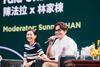
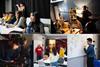
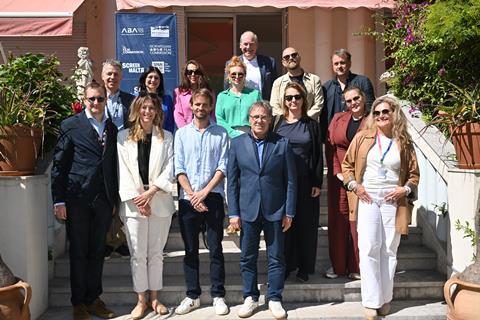
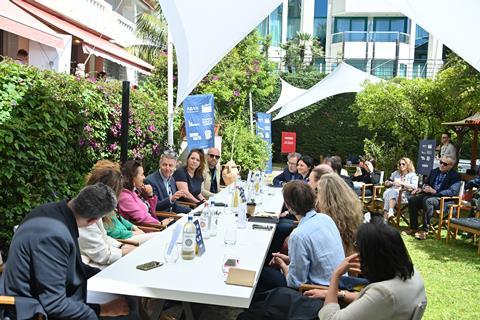
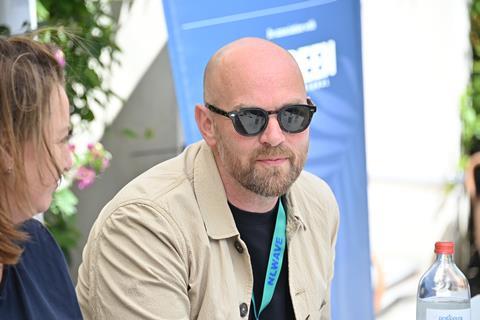
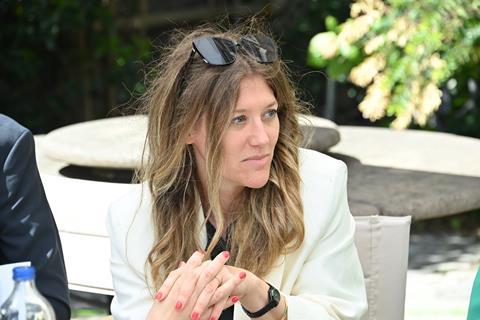
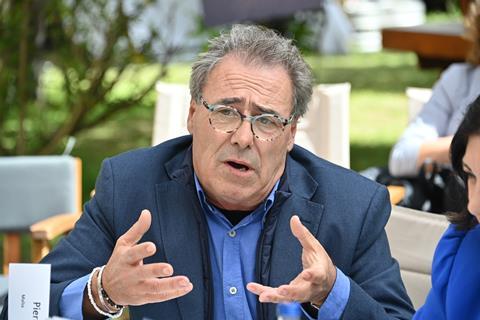
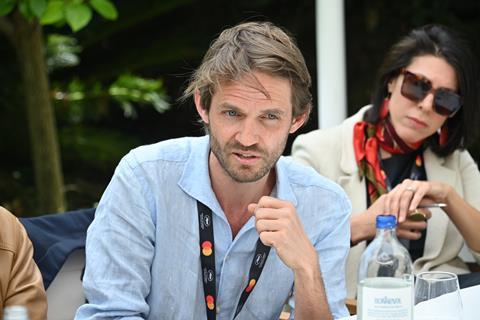
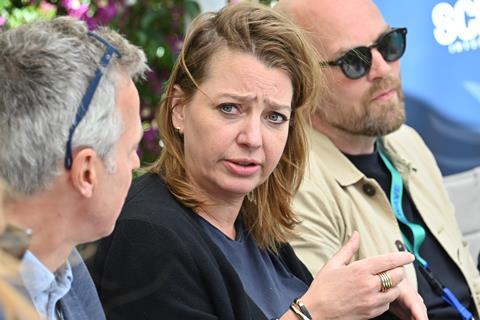
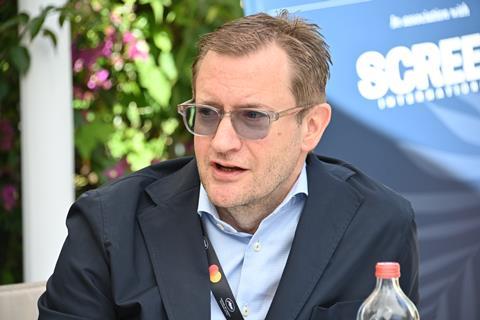
Film commissioners and producers from Spain, Norway, Austria, the Netherlands, Malta and the UK took part in a roundtable discussion at the Screen International Garden in Cannes, covering ways to build closer collaboration across European territories.
The roundtable, which was hosted by Film in Austria, the British Film Commission (BFC), Netherlands Film Commission, the Norwegian Film Commission, Screen Malta and Spain Film Commission, also explored Europe’s combined creative power as an international production hub.
Representatives from each territory spoke of how crucial co-production has become.
“I am from the Netherlands, we have to co-produce,” said Floor Onrust, founder of Family Affair Films, explaining that international partnerships are an important way to help films travel beyond their home country. Family Affair’s credits include UK director Steve McQueen’s Occupied City, and Onrust recently made Midwinter Break with UK producer Guy Heeley.
European panellists agreed that, a few years on from Brexit, the UK is coming in from the cold — and again becoming a viable co-production partner. Thanks to the BFI’s UK Global Screen Fund and the Independent Film Tax credit, co-productions between UK and European producers are now more commonplace.
Maria Ekerhovd, founder of Norway’s Mer Film and producer of Oscar winner Sentimental Value, has just done her first UK co-production, Itonje Soimer Guttormsen’s Butterfly, with Emily Morgan’s Quiddity Films as UK partner — and she is coming back for more. “It’s getting good to co-produce with the UK,” she said. “It was a rewarding experience and now we’re planning a film that we [will] shoot entirely in the UK. I see an opportunity to produce more with the UK.”
“The doors are open again now,” said UK producer Heeley. “Where we have been strong in the big inward investment stuff in the US, we have not been as good with the smaller stuff. Hopefully we will become the big inward investment hub that we are for bigger films for smaller and non-English language films.”
Tentative steps
However, as Good Chaos principal Mike Goodridge observed, public broadcasters like the BBC and Film4 remain focused on backing English-language projects. He cautioned that, despite the “fantastic” work of the UK Global Screen Fund, the UK still had only relatively limited funding for European co-production.
This was why several UK representatives on the panel expressed a desire for the UK to rejoin Creative Europe. BFC chief executive Adrian Wootton said conversations “are happening” about such a move.
“Our government has said that it wants to be close to Europe and it has rejoined some things already,” commented Wootton, citing the “precedent” of the European Union’s Erasmus educational programme, which the UK has rejoined.
However, even when working with the most established filmmakers, producers at the roundtable all said that putting together budgets remains a painstaking business.
“On Sentimental Value, we had 46 financing sources. It was a Norway-Sweden-Denmark-France co-production with money from the UK and US. And it worked out well,” said Ekerhovd. This, though, posed challenges — when the project needed re-financing, the producer needed to wrangle all the partners together.
In this case, it helped that the director Joachim Trier had an impressive track record and his previous films had been seen widely across Europe and beyond.
“[Trier] has had distributors in each country working with him, building an audience for his films,” said Ekerhovd. “That’s why we do this, to reach an audience. I think co-production, in that sense, helps. If you have somebody in each country knowing your film and fighting for your film, that is super valuable.”
In association with: