






Jelena Maksimović’s fiction debut relies heavily on the charisma of lead Jelena Maksimović

Dir. Jelena Maksimović. Serbia/Bulgaria/Slovenia/Montenegro/Croatia/Germany 2026. 91mins
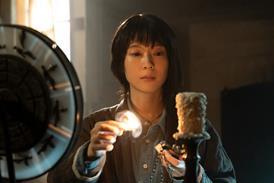
A vivid if ultimately frustrating depiction of youth revolt in a polarised age, Serbian drama Until the Day Ends has an urgency and intensity that testify to the talent of writer-director Jelena Maksimović and her young, primarily non-professional cast. Maksimović has a record in documentary – Taurunum Boy (2018) and Homelands (2020) – and duly brings a flavour of reportage immediacy to her fiction debut. But, beyond realistic evocation of present-day tensions in Serbia, the film displays a stylistic vigour that, along with a cast headed by the commanding Lena Trifunović, could see it travel following its bow in Venice Horizons.
There are moments when Maksimović’s faith in the energies of her material chime awkwardly with its realism
Set in Belgrade, the film begins with a free-wheeling long take around the largely deserted environs of a university building. Students have been sleeping on site, in the build-up to their participation in a planned national strike; the background is that of Serbia’s anti-corruption protests of 2024 and 25. The camera follows one young woman, 20-year-old Lena (Trifunović), who is involved in anti-government activism.
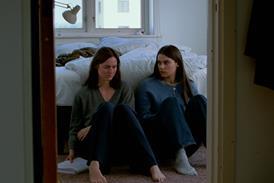
Before the night’s demo begins, Lena stops off at home, where she has a thorny encounter with her brother Milan (Miodrag Dragicevic), a cynic who sneers at her idealism and clearly has far-right tendencies. She also exchanges barbs with Milan’s skinhead friend Stefan (Andrija Krivokapić), who is less committed in his political affiliations but nevertheless hangs out with a far-right gang as part of his social life. Lena testily mocks Stefan as a bonehead, but she and her best friend Slavna are happy to smoke joints with him.
Then the demo starts, with the reactionary youths determined to infiltrate the crowd and cause trouble. A paving stone is seen changing hands in a virtuoso sequence that, by canny design, is almost too fast to follow clearly. Stefan, it emerges, has thrown the stone at a policeman, seriously injuring him – but it is Lena who has been captured on video with it in her hand.
Lena and Stefan go on the run together, hitching a ride on a truck with a priest who harangues the city’s residents with a reactionary lecture on resisting Satan in all his forms – from TV cartoons to migrants. The couple, despite their political divide, show their mutual attraction as they take refuge in the countryside – before a final long take closes the film with a poetic sustained image that breaks with the naturalism to offer what seems a heightened expression of hope in a new generation.
The final section might seem to deflate the film’s narrative energies, leaving us hanging on a note of enigmatic openness; by then, however, the story has generated enough heat for it not to matter too much. There are moments when Maksimović’s faith in the energies of her material, and her lead’s charisma chime awkwardly with the realism – as in the moment at a far-right hangout, where Lena’s somewhat theatrical defiance is sufficient to make a roomful of thuggish lads shut up and pay attention. That said, Trifunović’s gaze, and her physical energies, are sufficiently intense to power the film for much of its running time.
While excessively hooked on lens flare, Paul Spengemann’s dynamic camerawork and vivid lighting contribute to an immediacy that contracts an approximately 24-hour narrative span into an impression of real time, and captures the urgency and passion of youth.
Production company: Taurunum Film
International sales: Heretic info@heretic.gr
Producer: Jelena Angelovski
Screenplay: Jelena Maksimović, Ivan Salatić, Olga Dimitrijević
Cinematography: Paul Spengemann
Production design: Livija Mikić
Editor: Jan Klemsche
Music: Vladimir Živković, Ace Vaptsarov
Main cast: Lena Trifunović, Andrija Krivokapić, Irina Hotomski, Stefan Tarabić