

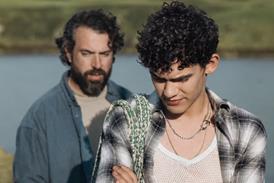
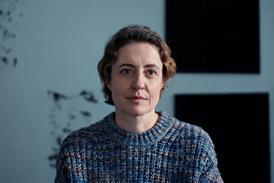
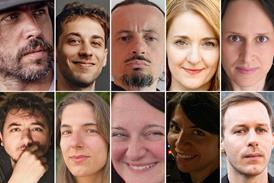
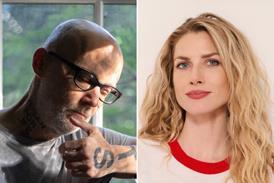
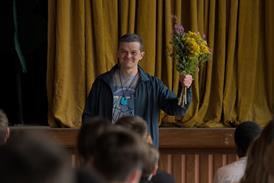
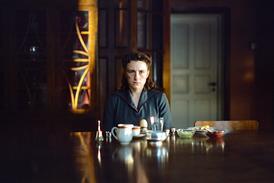

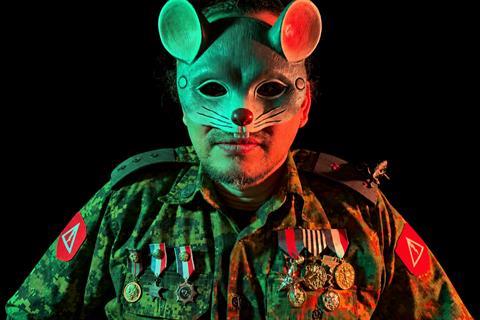
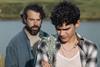
Corinne van Egeraat and Petr Lom, of Dutch production company Zindoc, which produced Berlinale documentary award-winning Myanmar Diaries in 2022, are back at NLWave this week, presenting a few minutes from their follow-up work in progress, What Happened To My Country, What Happened To Me.
The duo are hoping to generate festival, buyer and sales agent interest in the new Myanmar project, which should be ready next year.
NLWave takes place from September 30 - October 2 in Utrecht.
Like Myanmar Diaries - which was shot secretly by members of the underground organisation of dissident filmmakers in Burma trying to chronicle the horrific events in their country after the violent military junta seized power in 2021 - the new work-in-progress hybrid project is once again made with members of the Myanmar Film Collective (MFC), many of them now living in exile.
“Almost all of them have left. That is the theme of the story,” Lom says. “There are a few in Myanmar but the majority have had to flee.”
Ironically, the success of Myanmar Diaries, which was sold by Autlook and won 15 festival awards, endangered the filmmakers.
Lom and van Egeraat “geo-blocked’ the movie so it couldn’t be shown in Myanmar, but the trailer was available, and the authorities took notice.
“Even though it was anonymous, it wasn’t really safe for them to stay in the country anymore,” Lom says.
During the making of Myanmar Diaries, it was dangerous for the filmmakers to communicate with one another or even to leave their apartments to shoot on their streets. One advantage for the Burmese filmmakers now living in exile is that they have creative freedom “to do whatever they want” without the military dictatorship breathing down their neck.
In What Happened To My Country, What Happened To Me, they use fiction and personal testimonies as well as documentary to chart their experiences. It is four years since the first movie but the delay is easy to explain.
“Most of them were not making films for quite a while because they couldn’t,” van Egeraat explains. “They were in asylum centres and trying to survive in new places.”
The project received the bulk of its funding through the Netherlands Film Fund’s Caleidoscoop programme, which supports experimental and unconventional low-budget work.
“The Film Fund has decided they want to offer the opportunity for people to go all out creatively,” van Egeraat says. “It’s an opportunity to stretch your fingers and make something a bit quick and dirty.”
Zindoc did not need to wait around, trying to attach a broadcaster or distributor, but could move quickly. This time around, the filmmakers (at least the ones who’ve left Myanmar) have had coaching from some leading Dutch filmmakers, including Mees Peijnenburg and Boudewijn Koole, whose new project Meis is being pitched in Utrecht.
Lom is the cinematographer and editor on most of the films and is credited as one of the directors. He points out the “whole infrastructure around the film is Dutch”, but the main aim is to help the directors get their work on to the screen. “We’re still trying to put ourselves as much as possible in the background.”
They point out that “there is a lot of black humour and absurdity in this film,” and that it is more stylistically adventurous than its predecessor.
Van Egeraat and Lom have a long association with Myanmar and have made several films of their own there, including Burma Storybook (2017). They witnessed firsthand the years before the coup, when the arts were flourishing. Back then, borders were open, the economy was among the fastest-growing in Southeast Asia and young filmmakers “could still dream of their futures.”
“It was just so inspiring because here was this place emerging out of darkness, out of a dictatorship, that was free and with tremendous curiosity and hunger,” Lom observes.
When the coup happened, any opportunity for making movies was immediately “taken away.”
Zindoc has long made human rights films but, as the filmmakers blackly quip, they have now expanded their focus “from injustice to people to injustice to nature” with a series of films about climate change and environmental destruction; for example, I Am The River, The River Is Me (2024) and The Coriolis Effect (2025). They are now working on a new ‘rites of nature’ documentary about the Mar Minor lagoon in Spain, the first ecosystem in Europe that is recognised as a legal person.




No comments yet