












Created by São Paulo International Film Festival, known as Mostra de São Paulo, as the place to build connections, support the development of new projects and discuss what drives the industry, the Audiovisual Ideas Market (October 20-23) returns for its sixth consecutive year.
More than 100 guests, including Brazilian and international industry professionals, will take part in approximately 70 events from panel discussions, masterclasses and screenings to roundtables, book launches, mentoring sessions, one-on-one meetings, and networking events.
Hosted at the new venue Solar Fábio Prado for this 50th edition of the festival, the industry programme is divided into three sections: the Market, the Festival Forum and From Word to Image.
While the Market explores trends, business opportunities and innovations, the Forum addresses a range of artistic, creative, political, and commercial issues, and From Word to Image is focused on the exchanges between the literary and audiovisual worlds.
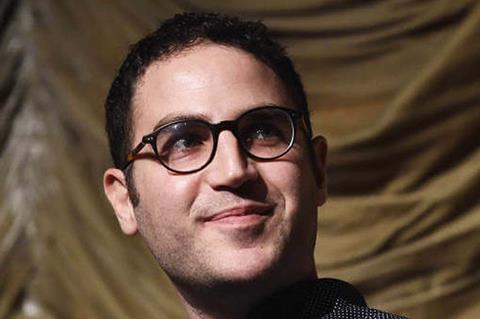
This year, Neon’s head of acquisitions, production and development Jeff Deutchman, on his first visit to Brazil, will be the guest interviewee on the opening night, held at Sala Petrobras.
After acquiring Kleber Mendonça Filho’s The Secret Agent at the Cannes Film Festival in 2025 and shepherding it to four Oscar nominations earlier this year, Neon could be looking to expand its ties to the country’s filmmakers as Deutchman takes meetings while he is in town.
One of them will likely be with the team behind Allan Deberton’s Gugu’s World, the Brazilian entry in the Oscar race, which does not yet have a US distributor and will screen at Mostra de São Paulo.
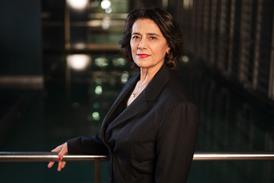
Other confirmed guests at the event are former Berlinale co-director Mariëtte Rissenbeek; head of academic activities at the Eye Filmmuseum in Amsterdam Eleni Tzialli; Arte France Cinéma managing director Olivier Père; and Tamara Tatishvili from International Film Festival Rotterdam’s Hubert Bals Fund (HBF).
Collaborative spirit
“For HBF, Mostra de São Paulo is a must-attend event, given our longstanding and deep connections with Brazilian talent,’’ said Tatishvili ahead of Audiovisual Ideas Market’s opening. Since the fund’s launch in 1988, more than €1.3m has been allocated to approximately 80 Brazilian productions.
“My first visit to the festival in 2024, which included a gathering of HBF alumni, made me realise just how strong our ties with Brazil have become since the fund’s inception,’’ she says.
It was during the 2024 edition of Mostra that Tatishvili launched the publication Development With Impact, setting the wheels in motion for the HBF+Brazil Co-Development Support, an initiative to help Brazilian emerging filmmakers, now in its second edition.
This is a collaboration between the HBF and local organisations, such as São Paulo’s city’s film and audiovisual agency (Spcine), Rio de Janeiro public agency RioFilme, the Brazilian Tourism Board (Embratur) and Brazilian philanthropic organisation Projeto Paradiso.
Olga Rabinovich, founder of Projeto Paradiso, will receive the Encontros Award at the opening ceremony of the industry programme, in recognition of her support for the development and internationalisation of the Brazilian audiovisual sector.
“We are presenting the Encontros Award for the first time, to celebrate the connection between those who support audiovisual work and those who create it,’’ says Cris Guzzi, who shares the general executive coordination of the Audiovisual Ideas Market with Renata de Almeida, the director of Mostra de São Paulo.
Talking points
For Guzzi, the panel discussions remain the heart of the industry programme this year. “Since they are led by individuals with practical experience, these debates map out the segment’s most pressing needs,’’ she says.
Film financing is a key theme, with debates centering on the HBF, Cannes Critics’ Week’s Next Step talent development programme, and initiatives from Projeto Paradiso.
With an outward-looking focus, some discussions will explore pathways for Brazilian films to reach the Oscars, initiatives for the internationalisation of Brazilian cinema, and co-productions with China and Portugal.
The legacy of cinema will also be addressed, with a reflection on the importance of preserving, cataloguing and digitising audiovisual collections in Brazil.
“Although our industry programme started out very small, it has already borne fruit,” notes de Almeida. “Marianna Brennand told me that the film Manas (2024) exists thanks to the Audiovisual Ideas Market, where she met the Dardenne brothers’ producers, who then joined the project.”






No comments yet