Rubaiyat Hossain’s latest work becomes the first Bangladeshi film to play in Venice

The Difficult Bride

Source: Venice Film Festival

‘The Difficult Bride’

Dir/scr: Rubaiyat Hossain. Bangladesh/France/Norway/Portugal/Germany. 2026. 87mins

The recent rise of South Asian horror cinema is marked by several female directors and screenwriters taking to the genre to tell feminist stories. Now Bangladeshi filmmaker Rubaiyat Hossain’s The Difficult Bride effectively uses body horror to dwell on the impossible ideals of beauty and propriety expected of a young bride in a patriarchal set-up. It is culturally grounded, with the social restrictions, physical entrapment and mental exhaustion felt by the bride conveyed through metaphors derived from local myths and folklores, supernatural elements and superstitions including the evil eye. Yet the core gender issue of the right to bodily autonomy and the subversion of the beauty myth are universal and relatable,

 The core gender issues are universal and relatable

Those themes are likely to pique the interest of international viewers after The Difficult Bride, which has dialogue in both Bengali and English, premieres in Venice Horizons; the first Bangladeshi film to play at the festiva;. Writer/director Hossain has previously made films including Made In Bangladesh (2019) and Under Construction (2015), which both had healthy festival lives; her latest work looks set to follow the same trajectory, as it will next play Toronto and London with other berths sure to follow.

The film’s protagonist Zaineen (Zaineen Chowdhury Karim) may belong to the polished and privileged Dhaka society but there’s no escaping the binding bridal rituals, draconian beauty regimen and suffocating constraints she must endure before her wedding day. As Zaineed is challenged both physically and psychologically, her dream of a fairytale wedding with her ‘perfect’ groom Aarman (Dameer Khan) begins to collapse into a nightmare.

Made by a female-led crew, this is a film about women look at themselves, or being seen and judged by other women; some of who have internalised the ideals of perfection perpetrated by the patriarchy. Yet it’s also about female friendships forged across the class differences, with Zaineen finding a trusted sounding board and confidant in beauty salon professional Minoti (Rikita Nondine Shimu). The entire ensemble is in fine form but Karim and Shimu are the anchors of the film, both individually and together.

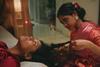
The initial examination of Zaineen’s weight and blemishes by the beautician (Azmeri Haque) and the promised transformation – “I will make her perfect” – set the tone. As the beauty routine leading up to the wedding gets structured and labyrinthine – including Platelet-rich plasma (PRP) injections to treat the facial scars – Zaineen’s insomnia and anxiety peak. She begins to be haunted by visions of a former bride (Sunerah Binte Kamal) who, according to urban legend, died mysteriously in the iconic Mayfair beauty salon, where Zaineen is getting treated.

With the film largely confined to the home, the car and the salon, production and costume designer Jonaki Bhattacharya’s use of the limitations of space, a saturated palette and rich details – including magnificent jamdani weaves and ornate jewellery – heighten the mood of a gilded cage. Leonor Teles’s camera lingers on the women, bringing out their contradictions and complexities, the beauty and grotesquery of this world. The soundtrack mixes original songs with folk music and pop hits like YOANAX0X’s ‘Luvergiirl’ in tandem with the beats of the narrative.

Hossain occasionally lets the outside break into this cloistered world through television or through the windows of the house and the car. The casual talk of recent violent student protests on the streets of Dhaka highlights the disconnectedness and lack of empathy in this elite community. Television news about homophobia, rising figures of rapes and sexual harassment provide the backdrop for the gender discourse.

Cisual manifestations of Zaineen’s trauma and defiance define the film’s singular, splendid imagery: snakes; dead fish; a blood drenched body; a snail creeping up a red heel; the ubiquitous lizards, sneaking into the bridal attire, their distinct ghastly sound and grisly writhing tails left behind on the floor. There are also mysterious scratches on Zaineen’s legs, boils on her inner thighs and the persistent feeling of things crawling under her skin. The urban legend of the dead bride begins to feels like a warning.

Such metaphors do get repetitive, but convey the bride’s suffocation and her yearning for freedom. They also make the last decisive act of liberation effective, despite its predictability. Relinquishing can be a revolutionary act, says Hossain, critical in claiming ownership of your body and self. 

Production companies: Les Films de l’Après-Midi, Midas Filmes, Khona Talkies, Barentsfilm, Tandem Productions

Sales: Films Boutique

Producers: François d’Artemare, Pedro Borges, Rubaiyat Hossain, Aadnan Imtiaz Ahmed, Ingrid Lill Høtgun, Anna Katchko

Cinematography: Leonor Teles

Production design Jonaki Bhattacharya

Editing: Raphaëlle Martin-Hölger

Music: Jim Williams

Main cast: Zaineen Chowdhury Karim, Saberi Alam Motaher, Azmeri Haque Badhon, Reekita Nondine Shimu, Sunerah Binte Kamal