
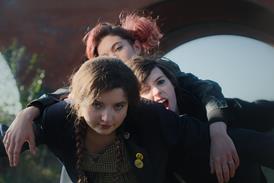






Dublin-based visual artist Dragana Jurisic brings a personal touch to her Sarajevo title
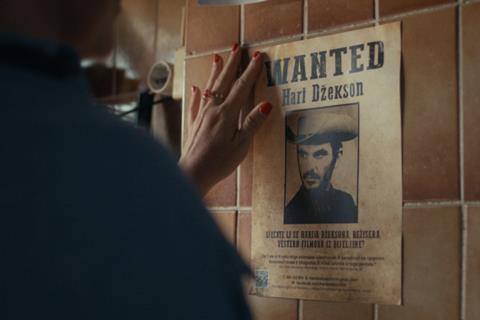
Dir: Dragana Jurisic. Ireland/Croatia. 2026. 93 mins.
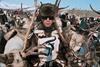
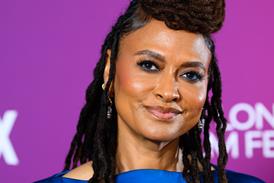
A quirky portrait of an offbeat filmmaker is blended with considerations of the Yugoslav Wars, and the ongoing global threat of divisive nationalism, in a debut documentary that is warm and poignant. Dublin-based visual artist and now director Dragana Jurisic, who grew up in the former Yugoslavian town of Slavonski Brod (now in Croatia), also has a personal connection to the filmmaker who became known as “Harry Jackson”, which infuses the film with an extra level of intimacy.
History is woven through the film
Hari Dzekson’s hometown was Bijeljina, now in Bosnia and Herzegovina, which makes The Balkan Cowboy’s world premiere in the documentary competition at the Sarajevo Film Festival, about a three-and-a-half-hour drive south, an ideal choice. The film’s deft mix of humour, history and heart should help it travel a lot further than home turf in the coming months.
Dzekson changed his name from Aljus Musli to sound more American because of his love of Hollywood cowboy movies. A photographer by trade, he moved into the world of short filmmaking to craft mini cowboy films himself, bringing together non-professionals from all the various ethnic communities for his low-budget work. Along the way, he became something of a local legend and inspired Jurisic’s father — who was working in Bijeljina at the time — to pick up a camera and become a photographer himself.
His films had a simple rule that “justice always prevails”, something which Jurisic, who we see standing in her bombed-out home as a teenager in an Italian documentary, indicates has proved to be less achievable in the aftermath of a conflict that was punctuated by war crimes for which few have been held to account.
Jurisic wants “justice for Hari”, heading to her hometown and then on to Bijeljina to make a short film in his eccentric spirit. It is based on her favourite western Shane, glimpsed in clips, whose territorial conflict, she notes, continues to be mirrored on a global scale. As she holds open castings, probing her quirky candidates’ backstories as she goes, there is a lot of humour, but these people also bring with them tales of exile and loss. History is woven through the film, from Tito onwards, and it also includes consideration of the Bijeljina massacre, which left 50 dead and shocked the world after being captured on camera by American Ron Haviv.
As she quizzes people about Dzekson, it seems he is more of a myth than a man at this point, although his wife Bahra and those who knew him add some vital biographic detail. Those coming to The Balkan Cowboy expecting chapter and verse on his work and life may be a little disappointed, but Jurisic arguably has her eyes on the more ambitious consideration of the way communities can be set against one another and the ongoing taint that comes from a lack of subsequent accountability. The film’s darker elements are offset by tales of those who risked their lives to protect those targeted by the likes of war criminal Zeljko “Arkan” Raznatovic. Although Jurisic covers a lot of bases, Paul Mullen’s tight editing holds the various elements in balance, while Americana-style tracks from Irish artist NC Lawlor add to the western vibe.Hari’s fate is eventually revealed, but it’s what he represents that is most important to Jurisic’s argument — and to her mission, which is to bring the town’s communities together through film. This latter achievement provides the uplifting end of her documentary, as we see the short film Jurisic came to make being shot on a wholesome ranch owned by a former bouncer who likes his animals so much he refuses to sell them. It’s a fittingly playful yet powerful pay off.
Production companies: Invisible Thread Films, Restart
International sales: Invisible Thread Films, anna@invisiblethreadfilms.com
Producers: Zlata Filipovic, Anna Rodgers, Oliver Sertic
Cinematography: Eleanor Bowman
Editing: Paul Mullen
Music: Michael Fleming