

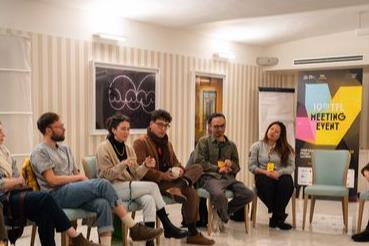
Italy’s TorinoFilmLab (TFL) — National Museum of Cinema is staging the 19th edition of the TFL Meeting Event, its international co-production market dedicated to feature films and TV series.
The event sees 350 audiovisual industry professionals from around the world gather in Turin from November 26-28.
TFL Meeting Event organisers aim to maintain a balanced number of guests each year, carefully selecting and inviting industry professionals, according to the specific needs and profiles of the projects being presented. The targeted approach allows TFL to create “a tailor-made experience, ensuring that each project has the opportunity to meet the most relevant potential partners and industry players,” says managing director Mercedes Fernandez Alonso.
It’s a popular ticket: Among the attendees are 117 participants from 36 countries who have participated in TFL’s 2026 suite of programmes, compared to 96 participants from 31 countries in 2025.
“It’s a significant increase both in the number of participants and in the number of countries represented, confirming the growing international reach of the TFL programmes,” Fernandez says.
Project focus
The 50 projects across the event span several programmes.
FeatureLab has 10 feature films, selected from 236 applications, of which seven are first features and three second features developed by teams of directors/screenwriters and producers. They include Portuguese filmmaker Catarina Vasconcelos’s Unfinished Painting and the second feature by Canadian-Italian filmmaker Luis De Filippis, Worse Together.
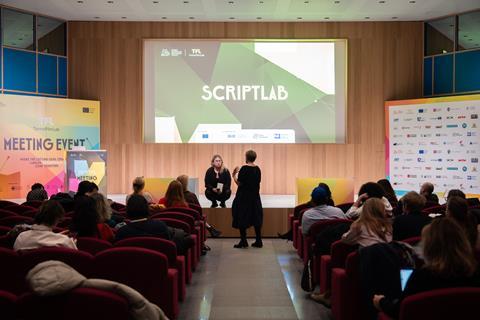
ScriptLab has 16 projects, chosen from a record 857 applications (675 applied last year). They include nine debuts, two second features, and five projects from experienced filmmakers.
The screenplays have been developed from the treatment phase by 18 participants, all supported by four aspiring story editors.
ComedyLab is showcasing four feature projects from its third edition. The core selection team, led by US artist and creator Alec Von Bargen, with former Le Pacte acquisitions executive Thomas Pibarot and Italian strategic consultant Savina Neirotti, alongside script tutors Philippe Barrière and Laura Piani, both from France, has helped each project tease out international commercial potential through various production strategies.
The Lab is also supporting the creative development of the comedy scripts. Bootleg, written and directed by Egyptian-Canadian writer, director, and producer Reem Morsi, whose credits include Banned, is among this year’s projects.
“To further explore the potential of comedy, we decided to match the projects with professionals from the comedy world,” explains Fernandez, of how the Comedy Lab has developed since being introduced in XX.
“We brought comedic writers and performers from different nationalities and backgrounds, from theatre to podcasts and stand-up comedy, into the programme, where they work with the projects during the script development process.”
The teams behind eight projects from the Boost IT Lab, TFL’s workshop dedicated to international co-productions, are in Turin. For a second year, this year’s programme will culminate with a pitching session during the TFL Meeting Event.
Furthermore, the TFL Co-production Fund 2026, supported by Creative Europe - Media, a sub-programme of the European Union, has awarded a €50,000 grant plus tailored production consultancy sessions during the gathering, to three projects: Martika Ramirez Escobar’s Daughters Of The Sea, Samir Karahoda’s Lost Frames and Sein Lyan Tun’s The Beer Girl In Yangon.
Industry challenges, including AI
TFL is taking a holistic approach to industry changes and challenges, from new financing models and public funding to artificial intelligence. A standout development for 2026 has been the addition of a package of sessions titled ’Artificial Intelligence: new possibilities for cinematic language’.
Throughout the year, TFL has hosted sessions and masterclasses for screenwriters, directors, and producers to examine the applications and implications of artificial intelligence in the audiovisual sector across technology, creativity, and critical analysis. The programme concludes on November 27 with Spanish documentary maker Marta Andreu’s masterclass ‘If I Could Have One Wish’, which invites participants to reflect on the relationship between cinema, images and AI, questioning the artistic vision in the digital age.
Overall, the programme aims to provide tools “to embrace AI responsibly while navigating ethical, legal, and authorship considerations, reinforcing the centrality of human creativity,” explains Fernandez.
The message from Fernandez and her team to international co-producers attending TFL Meeting Event is simple: “With an event of this size, real conversations are easy to have. We hope attendees will take the chance to meet people, exchange ideas and plant the seeds of future collaborations.”


No comments yet