















Recently, awards-season voters have gravitated to stories about artists. Biopics celebrating iconic figures such as Bob Dylan, Lucille Ball, Elvis Presley and Leonard Bernstein have reaped multiple nominations, catering to our fascination with genius while probing the personal pain that inspired indelible works.
But this year, three such pictures tried pushing back against the clichés that often bedevil the genre.
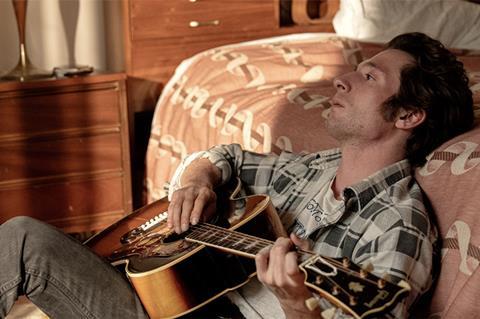
Springsteen: Deliver Me From Nowhere studies US singer-songwriter Bruce Springsteen (played by Jeremy Allen White) at a pivotal moment as he abandons his rock-star ascension to concentrate on a more intimate — and potentially uncommercial — album, 1982’s acoustic Nebraska.
Based on Warren Zanes’ non-fiction book, the film sidesteps the tired rise-then-fall-then-rise-again narrative endemic to so many artist biopics, keeping its focus on a short period of Springsteen’s life — and not even one of his career’s most renowned eras. It’s a provocative approach by writer-director Scott Cooper, who seeks to strip a legend down to his soulful essence, much like Nebraska peeled away the arena-rock grandeur that would soon define Springsteen.
Unfortunately, this unsteady drama draws simplistic connections between Springsteen’s troubled childhood, which is presented in unimaginative flashbacks, and the creative spark that led to specific Nebraska songs. And Cooper short-changes the musician’s desire to make a record that critiqued the cruelty and despair of Ronald Reagan’s America.
Nonetheless, Deliver Me From Nowhere is a genuine attempt to reveal how an adored artist silently struggled with mental health issues. As the film argues, without Nebraska’s bracing starkness, Springsteen may never have found the strength to go into therapy.
Though very different in tone, Richard Linklater’s lark about the filming of Breathless practises its own form of demystification. Nouvelle Vague salutes the talent of Jean-Luc Godard (Guillaume Marbeck) and the charm of stars Jean Seberg (Zoey Deutch) and Jean-Paul Belmondo (Aubry Dullin). But although critics rightly consider Breathless a towering totem of the French New Wave, Linklater turns this potentially ponderous origin story into a breezy hangout film.

Nouvelle Vague’s welcome lack of self-importance infuses every frame. When Linklater slyly references specific shots from Breathless, it is done with a nonchalance that emphasises the giddy, youthful freedom embodied in Godard’s playful subversion of the Hollywood gangster picture.
Marbeck portrays Godard not as an imposing genius but, rather, as an endearingly nerdy cineaste who is affectionately teased by his actors. In Boyhood and the Before trilogy, Linklater let the viewer appreciate the power of the present moment, and he does the same with Nouvelle Vague, a laid-back comedy that just happens to be about one of cinema’s pinnacle achievements.
Change of pace
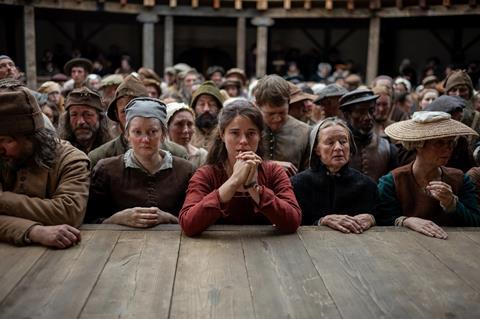
On its surface, Hamnet would seem formulaic and self-serious in its depiction of a legendary playwright channelling tragedy into a masterpiece. But what distinguishes Chloé Zhao’s superb adaptation of Maggie O’Farrell’s novel is both her insistence on de-emphasising the playwright’s cultural significance and her refusal to accept that great art necessarily negates great pain.
The picture is a lovely double act between Jessie Buckley and Paul Mescal, who play, respectively, Agnes and Will, a besotted couple at the close of the 16th century. But their domestic bliss is shattered by the death of their son, an unimaginable loss Will uses as fuel to craft a play about a hesitant Danish prince tasked with avenging his murdered father.
Most viewers will know that Hamnet chronicles the birth of Hamlet, but it’s testament to Zhao’s lived-in approach that the characters feel like everyday Englanders — not the all-mighty William Shakespeare and his unfairly forgotten wife. Instead, Hamnet honours them as equal partners, paying special attention to their complicated bond. The creation of Hamlet may emerge from grief, but Zhao treats the play, first and foremost, as an emotional touchstone for the couple, as opposed to a monumental work of fiction.
It’s a small but crucial distinction, suggesting that long before Hamlet became required reading, it was a vulnerable expression of something profoundly wounded inside Will that he wanted to share with his beloved Agnes.
Like Deliver Me From Nowhere and Nouvelle Vague, Hamnet has no interest in simply lauding a classic or praising the artist. Rather, all three films remind us that our most cherished masterworks often started out as just meagre ideas, their origins not nearly as momentous as awards-season biopics try to insist.






No comments yet