















The stiff competition among European countries for tax incentives to attract inward investment is causing considerable problems for local producers, according to a panel of film funders from Sweden, Croatia, Austria and Estonia.
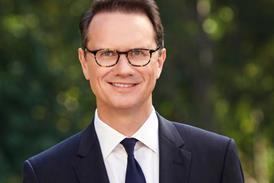
“The incentive war - if we pour so much tax money into an automatic funding system, at the very end we lose the IP, and it goes elsewhere,” said Mikael Fellenius, CEO of Sweden’s Film i Vast, pointing to how frequently they were used by the US studios and streamers.
He said film funds need to take decisive action to keep IP within the countries of creation, if the industry is to have “any independent producers left in Europe”.
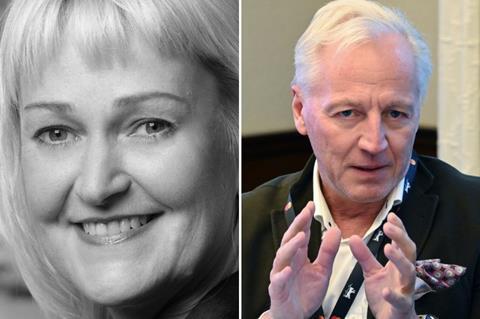
Fellenius was joined by Edith Sepp, CEO, Estonian Film Institute; Roland Teichmann, CEO of the Austrian Film Institute; and Christopher Peter Marcich, director of Croatia’s audiovisual umbrella organisation HAVC, in a discussion as part of the Sarajevo Film Festival’s CineLink industry programme.
The panel was titled ‘Can film funds keep up? Rethinking policy for a changing audiovisual industry.’
Sepp added, “Estonia is probably the only country in Europe [that] gives inward production as much funding as it gives to the national cinema.”
She said she believed the key challenge facing European filmmaking is over-production. “This bubble of 2,500 films we produced last year in Europe… Who watches these films? How many films did you see last year? Definitely not 2,000. This is a huge problem we really have to help to expose, so the money is not only in production, but the money is in audiences, the people who really watch them.”
Teichmann noted political influence in film funds across Europe is of growing and grave concern.
“We [film funds] are enablers, midwives at best,” he said. “We should not interfere in the project as much… Freedom and independence of filmmakers, of creative people, is the core of everything. We have to protect it. This is getting more and more under pressure.
Gaming: friend or foe to film funds?
The panel also debated whether film funds expanding into other media, such as gaming, series and virtual reality, is a positive use of resources.
“I don’t believe in that, to be honest,” said Teichmann. “I think you lose track… It’s totally different formats. It’s super difficult to be a shop that sells everything.”
“Getting into gaming and all those kinds of formats that are not film-related is not a good strategy for us,” agreed Fellenius. “It’ll spread the financing and be more destructive in terms of what the resources are available to film. Also remember that the gaming industry, even though they have challenges right now, is very profitable, for the ones that are good.”
However, Marcich said there have been clear advantages for expanding into other media in Croatia.
“The gaming sector, we’re trying to integrate more with our creatives who are involved in creating film and series, in different ways. We’re trying to involve them in discussions with each other. We find that on the gaming side, they are lacking good scriptwriters, for example. There’s a synergy there.
“We’re also using gaming for another purpose, which is to attract younger audiences to our films through games, which are attractive to kids. We are able to go out to schools and present them with a combination of gaming and short films and engage them in thinking about film, in enjoying film, and then appreciating it.”
Sepp added that in Estonia, different audiovisual media sit under the film fund umbrella. She said she would like to develop a ‘risk fund’ that would enable producers and creatives to move more fluidly between formats.
“Ask the producers what they want, what kind of format they want to express their idea in. I don’t want to make categorised ideas for them, that you can only come in for a documentary or you can come in only for a feature film. That is so yesterday.”






No comments yet