The latest work from Swiss filmmaker Jacqueline Zünd premieres at Visions du Reel

Dir/scr. Jacqueline Zünd. Switzerland. 2026. 85mins
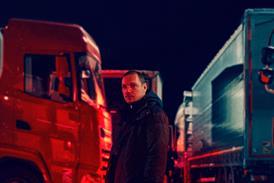
As temperatures inexorably creep up around the globe, what does that mean for the people who make a life in the hottest places on Earth? The latest documentary from Swiss filmmaker Jacqueline Zünd, Heat is an impressionistic collage which combines glimpses of the realities of living and working in the Persian Gulf with vividly immersive, sensory filmmaking designed to capture the physical experience of enduring temperatures upwards of 50° C. This experiential approach is striking and unsettling; it’s a visceral picture that sounds a stark warning for the future of life on swathes of our planet.
Striking and unsettling
It’s an approach that Zünd has brought to the subjects of previous documentaries, starting with her debut, Goodnight Nobody (2010), which won the Jury Prize at the Sebastopol Documentary Film Festival. Her other work includes Where We Belong, which premiered in Berlin’s Generation Kplus strand in 2019, and her 2025 fiction debut Don’t Let The Sun, which premiered in Locarno’s Filmmakers of the Present competition and won the best performance award. Zünd’s atmospheric, thoughtful latest work premieres in Visions du Reel’s international competition, and will likely appeal to a similar audience to that of Nikolaus Geyrhalter’s striking observational accounts of an embattled planet. It is also likely to elicit further interest from documentary festivals and perhaps specialist distributors.
Zünd throws us into a scorching hellscape right from her opening sequence. Indistinct objects are viewed through a heat haze so intense that figures lose their solidity and the air seems to throb and pulse. The music that accompanies these visuals is roaring, rippling and amorphous – a tortured sound that feels as though it could have been recorded on the surface of the sun.
Nikolai von Graevenitz’s dramatic widescreen cinematography captures vistas that seem unreal, like outposts on a hostile alien planet. The colour palette is almost entirely composed of shades of yellow – from the sour lemon-tint of sodium lights at night, to the mustard gas-tinged smog of scorching sun and desert dust in the day. Against this hostile backdrop, human figures seem impossibly vulnerable.
Sophy, a young Kenyan migrant worker, walks to work along a multi-lane highway in Dubai humming with air-conditioned SUVs. Her first impression of the place, she says, was “hell”. Her work, serving hot drinks to wealthy punters in an ice bar, pushes her to the other extreme. She works her shift at -6° C, then thaws out in the unbearable heat of the Emirati summer. It is, she says, like a torture. But she has a young son back in Kenya and her hopes for his future, plus snatched conversations with him on Facetime, make the daily endurance test of the climate more or less worthwhile.
Francis, a motorcycle delivery rider from Uganda, talks of the feeling of having his brain “cooked” inside his helmet. He recalls one colleague who succumbed to heat stroke and suffered a fatal crash on his first day on the job. Elsewhere, Carina, a realtor from Sharjah in the UAE, has become the protector of the city’s stray cats. Each night she hauls blocks of ice and bags of kibble to the harbour, hoping to save the animals from heat exhaustion. In a more privileged position is Essa, a broadcast meteorologist in Kuwait who offers warnings to his viewers on how best to survive conditions that can raise the temperature in a parked car to somewhere between 70 and 80° C.
Essa’s alarm at the precarious tipping point that has been reached falls largely on deaf ears. The super wealthy, he says, decamp to cooler climes during the summer, leaving their air-conditioning running in their absence. The middle classes waft around endless malls and climate-controlled experiences that invite you to “step inside the outdoors”. And the poor have no choice but to endure. What if the electricity cuts out? he muses. It’s a question that feels all the more pertinent now, with shockwaves of energy uncertainty currently being felt around the globe.
Production company: Lomotion
International sales: Taskovski Films sales@taskovskifilms.com
Producer: Louis Mataré
Cinematography: Nikolai von Graevenitz
Editing: Gion-Reto Killias
Music: Marcel Vaid
Main cast: Sophy Njeri Jagnath, Essa Ramadan, Carina Bouali, Francis Nanseera, Milan