








Elle Sofe Sara’s Sami Berlin Panorama drama is rooted in land, music and memory
Dir: Elle Sofe Sara. Norway/Sweden/Finland. 2026. 86mins
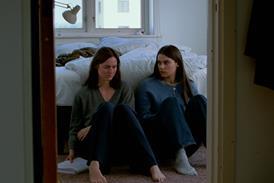
The fight to protect Indigenous lands exposes long-buried family trauma in Arru. Elle Sofe Sara’s striking debut feature sets a universal story within the distinctive culture of the Sami people of the Sápmi region, which spreads across Norway, Sweden, Finland and Russia. The result is a compelling family drama with bracing originality, not least in its use of traditional music and Sara’s background as a choreographer. A world premiere in Berlin’s Panorama should serve notice to distributors seeking to support exciting new voices in international cinema.
Musical sequences inject jolts of primal energy to the film
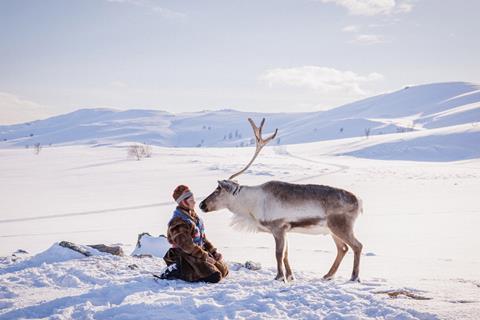
Arru opens in bleak, wintry landscapes where snow blankets everything and a distressed reindeer has just miscarried. Gairu is home to reindeer herder Maia (Sara Marielle Gaup Beaska), her dour brother Danel (Simon Issát Marainen) and her daughter Ailin (Ayla Garen Nutti). There is a clear sense of tradition and modernity existing side by side – snowmobiles and cellphones are integral to everyday life.
Sara and cinematographer Cecilie Semec (who shot Dag Johan Haugerud’s 2025 Berlin Golden Bear winner Dreams) emphasise the ties between Maia’s family and the land. It is almost part of their DNA; people find comfort lying in green pastures, hugging the vegetation or traversing the snowy wilds, as their ancestors have done before them. On more than one occasion, a character is framed snuggling up against the warm affection of a reindeer. The film celebrates that affinity with the herd, but remains unsentimental. When an animal is required for a birthday feast, one of the reindeer is shot and butchered.
Maia’s future is threatened by a mining company operating nearby. She seeks advice and support from her lawyer brother Lemme (Mikkel Gaup) who has worked on similar campaigns in Canada. Much to her surprise, he returns in person to the family home. Maia and Danel are wary around him, and gradually the film reveals what lies in the past – and the grip that Lemme still has on the family.
Heartfelt performances vividly capture the contrast between the brothers. Marainen’s Danel is withdrawn and wounded, habitually retreating from situations that threaten to overwhelm him. Gaup made his film debut in his uncle Nils Gaup’s landmark Sami language film Pathfinder (1987), and here his ebullient Lemme is a blustering, charismatic bear of a man who grows more villainous as the story unfolds. Gaup Beaska brings calm resolve to Maia, a woman accustomed to holding the family together and keeping the peace.
One of the most exhilarating aspects of Arru is the way in which Sara incorporates song and dance into the narrative. Gaup Beaska is a renowned Sami activist and yoiker – a singer of Sami songs based around the rhythms of chanting, clapping and ululation. Her musical sequences inject jolts of primal energy to the film, underlining the emotional connection to the land. The dance numbers add further texture, from an exuberant Seven Brides For Seven Brothers-style sequence among the camp of protesters, to a group piece in which Maia is encircled, embraced, and supported by what we assume to be the spirits of loved ones.
Concise in its storytelling, Arru ultimately asks who is willing to break the shackles of the past, regardless of the personal cost. The screenplay by Johan Fasting and Sara builds towards a satisfying resolution, providing both Gaup Beaska and Nutti with space to shine as their characters find the strength to do the right thing.
Production companies: Staer Films, Garagefilm International, It’s Alive Films
International sales: The Yellow Affair, alexandra@yellowaffair.com
Producers: Elisa Fernanda Pirir, Mimmi Spang, Jani Poso, Elle Sofe Sara
Screenplay: Johan Fasting, Elle Sofe Sara
Cinematography: Cecilie Semec
Production design: Otto Loome
Editing: Michal Leszczylowski
Music: John Erik Kaada
Main cast: Sara Marielle Gaup Beaska, Ayla Garen Nutti, Simon Issát Marainen, Mikkel Gaup