












The inaugural nominees in the Oscars’ casting category are honoured for their work on The Secret Agent, Hamnet, One Battle After Another, Sinners and Marty Supreme. The quintet discuss their creative approaches to casting.
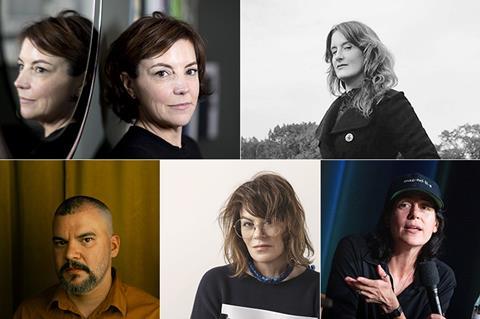
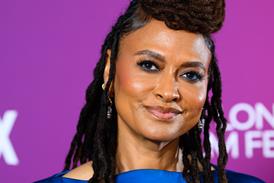
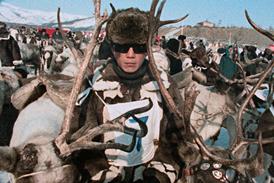
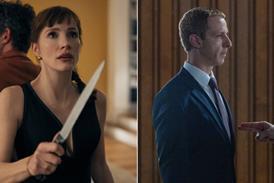
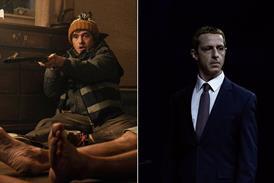
Casting directors Gabriel Domingues (Kleber Mendonca Filho’s The Secret Agent), Nina Gold (Chloé Zhao’s Hamnet), Cassandra Kulukundis (Paul Thomas Anderson’s One Battle After Another), Francine Maisler (Ryan Coogler’s Sinners) and Jennifer Venditti (Josh Safdie’s Marty Supreme) are the first people to be nominated for an Academy Award for best casting. Kulukundis, Maisler and Venditti are also nominated for a Bafta, which has had a category for casting since 2020.
The five Oscar nominees join Screen International to discuss the inaugural award, finding William Shakespeare’s wife, populating a 1930s Deep South speakeasy with international talent, bringing out the beast in Chase Infiniti, directing actor auditions, filmmaker relationships, the need for human emotion and the rise of AI actors.
Screen Why do you think the Academy took so long to reward casting, and were any of you involved in the campaign to have it recognised?
Francine Maisler: My part was asking directors to put together a video in support. I wasn’t on the groundwork where [casting directors] David Rubin, Bernie Telsey and Kim Coleman were. I was raising two teenagers, but I made a couple of calls.
Jennifer Venditti: It’s the nature of the process that change takes so long. And I think there’s a misconception of what is involved. When people call me a casting agent, it’s a trigger for me, because there is this idea we’re just agents… we’re just getting people jobs. Each person here has a signature and there are tells, just as with auteur directors.
Casting is similar, and I’m excited people get to see that for themselves and see it through the lens of an art form rather than a department that has a logistical responsibility.
Nina Gold: For a long time, casting wasn’t even a main title credit. It’s been a step-by-step thing to get it fully recognised, each step being a decade, basically.
Gabriel Domingues: Our movies are so different, and the process of casting was so different from each other. I think the reason it took so long to get this recognition for casting is because our work is so mysterious, there are so many ways of doing it.
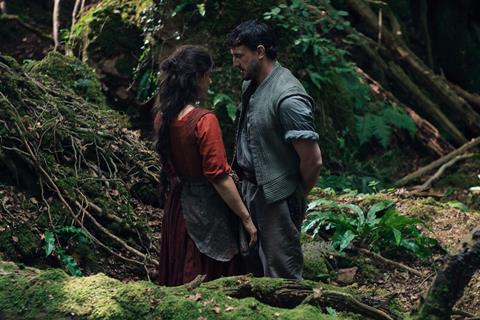
Nina, were Jessie Buckley and Paul Mescal attached when you came on board Hamnet?
Gold: They weren’t. Chloé’s previous, incredibly genius, work has mainly been with non-actors, for want of a better way of describing them, and she was very clear in saying, “Look, this is not my area. I want to lean on you for this stuff.” And so we just talked and talked. We started with Agnes, who is the heart of the film.
Having read the book five years ago, Jessie was the person who I could not stop thinking about to play that part. We did some chemistry reads with three well-established actors, who were all incredibly generous. Then Paul came [in] and it was just so undeniable he should play Will.
Francine, Michael B Jordan was attached to Sinners before you were hired…
Maisler: I had nothing to do with it. I just had to find his twin.
How did you go about creating the ensemble around him, Delroy Lindo, Wunmi Mosaku, Jack O’Connell, Hailee Steinfeld and newcomer Miles Caton among them?
Maisler: I started with Miles because it’s a part that if we don’t find it, we’re not going to have the movie. So, the search begins with that one role. I like working that way. Then building out. “How about this one? How about this one?” Even if they don’t audition. But nothing was set, except Michael B Jordan. So, we start building and talking with our directors, because if they had an idea for all these parts, there’s no need for us.
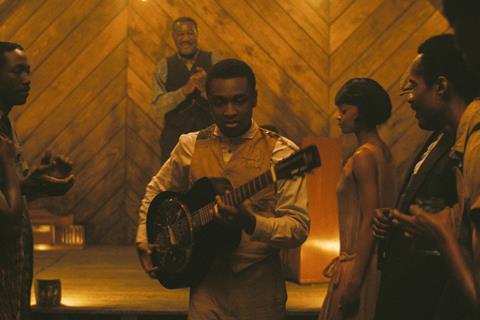
Where did you find Miles, who hadn’t acted before?
Maisler: You search everywhere. The great part about the job is going into another world. I liked going to Mississippi, talking to the blues clubs, to these universities, reaching out to Europe. It’s an American movie, but the story is global. That’s why we reached out to Jack O’Connell, to Wunmi. We don’t just look here in the States. Jack, we didn’t think we could get in the States until two weeks before, when he got his visa.
Miles, we had heard about somewhere, then his tape arrived. He did it in his basement and we couldn’t see him, but this voice came out of this dark room and we went, “Whoa.” Then we asked him to turn the lights on.
Jennifer, Marty Supreme was your third film with Josh, who told Screen he was looking for “timeless faces”, and asked you to look at all your records from casting the earlier films. What is your process — do you have a big database of photos and videos?
Venditti: I’ve been doing street scouting for 25 years so I have tons of archives. But the beauty of [Marty Supreme] was we had a project right before that I had done a ton of scouting for, that never happened.
Josh approaches everything as a documentary. Hours are spent going through the research he and Ronnie [Bronstein, co-writer] have done. Reading, seeing reference photos, watching documentaries, hearing stories, meeting consultants. It’s like detective work, multilayered. It’s going through the archives, putting lists together. Then, I meet him again. It’s like painting.
There’s something about Josh’s films where the alchemy between a lived experience of someone [collides with the role]. Whether they’re an actor like Gwyneth [Paltrow] who, we felt, where she was in her life mirrored a little bit of the character of Kay, or Kevin O’Leary being someone that played a role on a reality show that was a modern version of this character we were exploring in the 1950s.
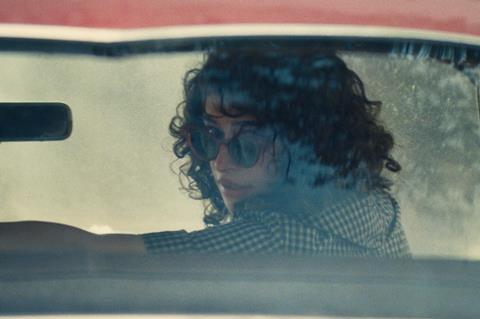
What about the casting of Odessa A’zion, who you had seen when you cast Euphoria years earlier?
Venditti: There is an art to casting. Filmmaking is a collaborative effort and sometimes we feel so passionate about people and you just want to be, “This is who you should use.” But it’s not always the way to get things done. You can suggest people, but it’s hard to always go with the first choice.
I knew it was Odessa from day one, but Josh wanted to go through a process, and we must respect that. Then we also work with cultivating that person. If the person’s going to read versus an offer, how do you work with them to make sure you have the best tape when you’re ready to show it, that you know you’re going to seal the deal because you’ve done the work and how to present them. That’s a big part of casting as well.
Maisler: We set them up to win, right, Jennifer?
Venditti: Yes. Sometimes [filmmakers] need to see and have experiences to make a more-informed decision. It’s our job to be able to honour that as well as help guide them.
I knew if I did an improv with [Odessa], and if I had her do the scene a certain way and she went to a location, I know what Josh is going to respond to. I have to deliver it to him in a way he’s going to see it versus another director who might want to see it in a different way.
Gold: Sometimes it is an exercise in making sure you get the director to believe it was their own great idea in the first place, which is a brilliant outcome.
Venditti: I’ve worked with Josh four times and there’s a shorthand and a synergy. Knowing that makes the job easier.
Cassandra, One Battle After Another was your eighth feature with Paul Thomas Anderson.
Cassandra Kulukundis: No, I’ve done all 10. I was an intern on the first [Hard Eight], I was casting associate on the second [Boogie Nights], and then I was casting director for the next eight.
Given the history, is there a shorthand with him that you don’t have with other directors?
Kulukundis: I know him pretty well. What he’s going to respond to, what he’s not going to respond to, the faces, looks. There are other times where I know I must hold something back. It depends on what day, what we’re looking for, because it’s all about when you present it, how you present it. We’re like brother and sister at this point.
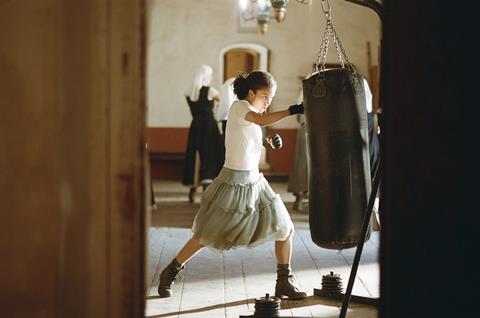
Let’s talk about Chase Infiniti. Paul said he’d spent many years looking for the right actress to play Willa.
Kulukundis: It’s true. We would look but we never did find anybody. We found people who could be okay, but he hadn’t filled out the whole script yet. And it wasn’t the right time.
Then, finally, it was going to be Leo [DiCaprio], and it was, “Okay, we’re making this movie. These are his dates. Go.” During Covid and while we were doing Licorice Pizza, I was looking and I had a bunch of people ready to go for the next round, because he flies through them, too. I can work with somebody for hours and I bring him a tape and within five seconds he’s like, “No.”
When it came to Chase, I had a tape of her on my desktop — not her audition tape, just a tape of her dancing. From there, it was a process. She had such a unique quality I hadn’t seen in anybody in the eight years I was looking for this part. There was a shyness, a politeness, all these things that make her a human being of stellar quality. But Willa had to be a screaming, forceful monster and that wasn’t there. I told her, “We have to bring the beast out.” That’s what she and I did privately. But she was so open and willing.
She talks about the six-month audition process, and it wasn’t that bad. I said, “It’s yours. I’m not doing this with anybody else.” But we needed to get her there. I mean, she was always the girl. The moment I saw her dancing on that tape with five others, my eye just went to her. I was like, “Oh my god, who’s that?”
It sounds like there’s a lot of directing involved in casting.
Kulukundis: It’s in the title. The truth is that some people have never seen any of this stuff before and have no idea what they’re doing. You have to make them comfortable with the camera, with the idea of being directed. And sometimes a director is not sure which way the character’s going to go, so you’ll direct this actor to do it in this laidback easy way, then also incredibly aggressive. Same lines. So, you get the range of this person.
Maisler: I sometimes make an ass of myself at the beginning of a casting to lighten up the room, so it doesn’t feel like an audition. I will say something ridiculous to make people laugh. We all do a version of that, whether it’s talking to them beforehand, talking to them the night before. There’s so much that goes into this job.
Gabriel, what was the casting process on The Secret Agent?
Domingues: With Kleber’s movies, there’s always some twist, some social commentary about Brazilian life and culture that he wants to create through casting. It’s never only about the actor but choosing the right person to create this commentary.
With The Secret Agent, we were trying to capture a feeling of tension and terrible things that happened in Brazil [in the 1970s]. But the one thing I think is special about it is that Kleber talks not about heroes, but normal people living under a fascist regime.
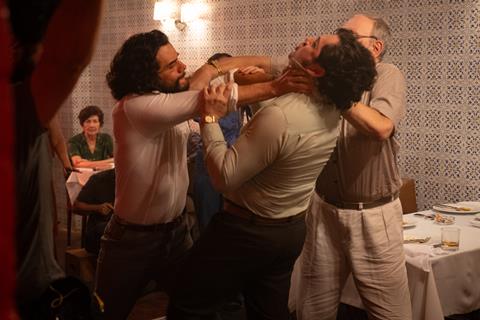
The Secret Agent is full of amazing faces. How many are professional actors versus people you found via street casting?
Domingues: People think most of the cast are non-professional actors. They are professionals, but they are not the faces we usually see. They have studied [acting], come from theatre groups around Brazil, but even in Brazil, we are used to filming certain kinds of faces, people who belong to a specific class. To be professional, you’ve got to have a pretty face.
Like the guy who plays [the police officer in] the first scene in the gas station, everyone thinks he’s a non-professional actor, but he’s super talented and did many projects with me. His face makes people think he’s not a professional. That says a lot.
Kulukundis: I thought he was too good to be unprofessional. I do a lot of street casting, but nobody’s that great.
Maisler: That’s testament to Gabriel’s work. It’s easy to cast stars, but he has an eye to cast people who don’t seem like actors.
Domingues: But they seem like people.
We hear stories that film financiers like to cast actors with large followings on Instagram or TikTok. Have any of you experienced that?
Venditti: I have never once.
Kulukundis: Never.
Maisler: I don’t know how to get on that TikTok thing.
Venditti: Sometimes we’re looking for a quality of a person that’s someone who’s on TikTok. But it’s not about the numbers, it’s about the energy they bring.
I’m sure you’ve heard about virtual actress Tilly Norwood. What are your thoughts on AI impacting the casting process, and AI actors?
Maisler: Delete, delete, delete!
Venditti: I think it’s a great tool for different applications, but intuition, empathy… all of these things we use in our process — I am not scared of AI replacing.
Kulukundis: We work with real filmmakers who want to work with real people, and bring real emotions and take you into a world that transports you, so you feel like you’ve walked into a different time and space. The computer’s not going to do that.
Gold: I’m sure it’ll get much better at it over time, but if I’m thinking, “Shit, I can’t think, I need a good idea”, and ask ChatGPT, “Who would you cast as this?” and give it the qualities [you require], it never has any good ideas.
Kulukundis: Where do you go to even ask ChatGPT? I don’t know any of this stuff.
Venditti: I’ll tell you what I use it for: contracts. I feel sorry for lawyers more than casting directors.
Domingues: Our job is 80% about emotions. AI can’t understand human emotions like we do.
Maisler: We want audiences to be involved in the story. Not saying, “Is this real?”
Gold: Our job is to turn the abstract character on the page into a living thing. I don’t think AI can do that.






No comments yet