The director’s second Berlin competition title follows two warring clans in the Turkish mountains

Salvation

Source: Liman Film

‘Salvation’

Dir/scr: Emin Alper. Turkey/France/Netherlands/Greece/Sweden/Saudi Arabia. 2026. 120mins

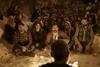
A dispute over a few unpromising fields near a remote community in the mountains of Turkey escalates into explosive conflict, as the feud between two rival clans is reignited. The fifth film from Emin Alper looks at the architecture of an atrocity and the superstitions, religious fervour, weaponised misconceptions and long-cherished lies that underpin an act of extreme violence. As with all Alper’s films, the setting is rural Turkey. But this picture, inspired by real events, has a wider resonance, even if its extensive use of dream elements woven into reality can make for a disorientating viewing experience at times.

Grim accumulation of momentum

Salvation is the first Turkish film to play in Berlin competition since Alper’s own A Tale Of Three Sisters (2019), which went on to win a number of international plaudits; his 2010 debut, Beyond The Hill, screened in the festival’s Forum strand. (Alper’s other pictures include Frenzy (2015), which played Venice competition, and Burning Days (2022), which premiered in Cannes’ Un Certain Regard.) A cautionary tale that warns of the costs of ceding power to a delusional yet charismatic individual with a shaky grip on reality, Salvation’s timeliness should recommend it to further festivals.

The tension between two clans, the Hazerons and the Bezaris, dates back over generations. The history is explained in a usefully thorough expository sermon by Sheik Ferit (Feyyaz Duman), the spiritual leader of the Hazeron people who presides over vigorous sessions of worship at the village lodge. The Besaris, traditionally wealthier, had control of the region’s resources and employed the Hazeron people as servants. But civil unrest and terrorism in the region saw the moneyed Besaris flee to the city, while the Hazerons stayed to fight the terrorists – armed by the government and given official guardianship of the region. Now the threat has abated, the Besaris are returning, intent on reclaiming the lands that the Hazeron families have been farming.

At the heart of this story is Mesut (Caner Cindoruk), Sheik’s older brother and a troubled, paranoid man who starts to believe that his vivid dreams are communications from his ancestors urging him to stand up for his people. As discordant strings in the score sound a warning, Mesut is plagued by insomnia and, when he finally sleeps, he dreams of strangers wandering the village alleys by night. It’s a striking location, a maze of dusty paths bordered by ancient, crumbling walls and lit by flickering lamps that fail at key moments. By day, the village, with its ramshackle dwellings stacked on top of each other, seems communal and close knit. But by night, as the camera creeps along the snaking alleys and stumbles across sudden drops, the whole personality of the location changes. It becomes a place full of hidden dangers and festering suspicions; one which magnifies the disquiet of the increasingly disturbed central character.

Mesut trusts nobody; particularly not his pregnant wife, Gulsum (Ozlem Tas), who used to work as a servant for a prominent Besari family. When he learns that she is carrying twins, Mesut’s superstitious paranoia takes over: he believes that twins are the devil’s work, in some way linked to the returning clan at the foot of the hill. Mesut’s ascetic intensity – he spends much of his time in a damp cave, praying – appeals to the hard-liners in the village, who view Ferit’s calls for peace as a weakness and betrayal.

Despite the story’s repeated segues into dreams and fantasies, there’s a grim accumulation of momentum. Even so, the sheer brutality and savage finality of the film’s climax come as a shock. The aim, preaches Mesut, is to put an end to it, once and for all. But the thing about blood feuds is that they rarely end neatly.

Production company: Liman Film

International sales: Lucky Number, sales@luckynumber.fr

Producer: Nadir Operli

Cinematography: Ahmet Sesigurgil, Barıs Aygen

Editing: Ozcan Vardar

Production design: Nadide Argun Van Uden

Music: Christiaan Verbeek

Main cast: Caner Cindoruk, Berkay Ates, Feyyaz Duman, Naz Goktan, Ozlem Tas