











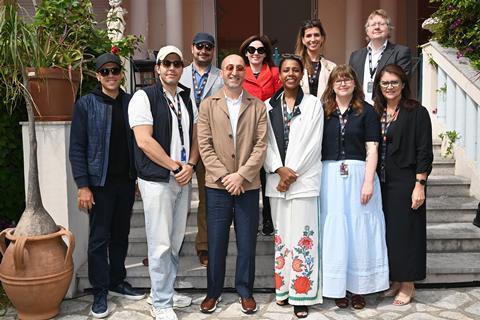
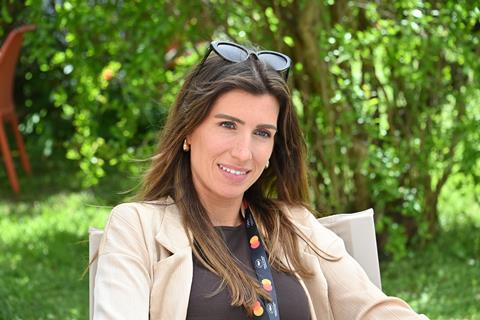
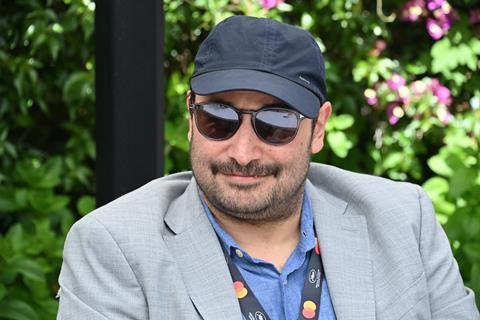
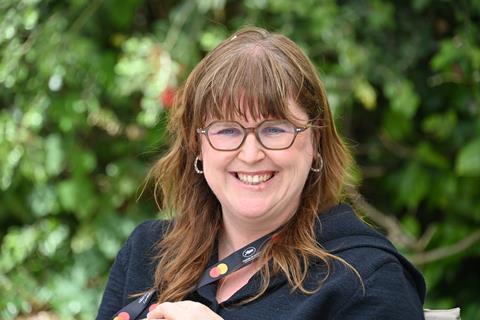
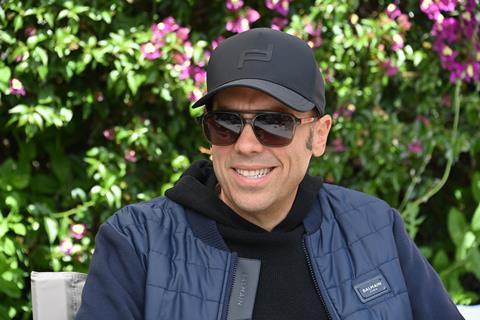

How do you go from being a service destination to becoming a sustainable, internationally recognised creative partner? That was the central question addressed at the panel, ‘Beyond the rebate,’ hosted by Film AlUla in association with the Association of Film Commissioners International (AFCI) and Screen International.
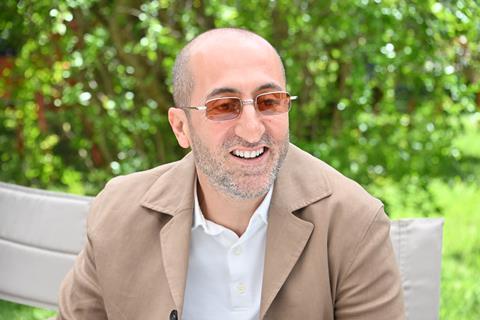
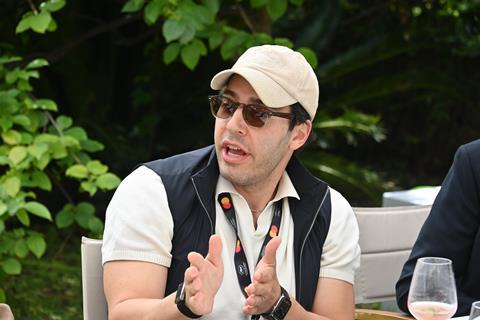
Nurture local below-the-line talent was one message from Zaid Shaker, acting executive director of Saudi Arabia’s fast expanding Film AlUla. “The incentives are there not only to drive demand and showcase the diverse, bespoke locations but also to grind the wheels of the system and build [local] talent. The most important pillar for us is to focus on the local crews,” Shaker told fellow panelists that included leading film commissioners, producers, lawyers and industry analysts.
Film AlUla is the film agency for the AlUla region in the country’s northwest, which last year signed a deal with Manhattan Beach Studios (MBS), one of the world’s largest studio operators, to manage AlUla Studios, which includes two fully equipped soundstages.
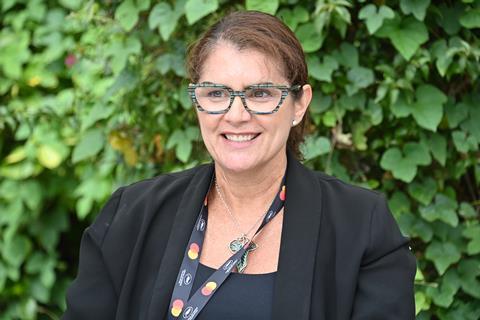
His remarks were echoed by Annie Murray, chief executive of New Zealand Film Commission (NZFC), who pointed out that “boom and bust” cycles have become commonplace for many countries hosting international production. “We will have two or three years of very busy and intense international production in New Zealand and then, in the fourth or fifth year, it will get quite quiet,” she said.
NZFC has responded by putting a new emphasis on small and medium-sized productions, alongside blockbusters like James Cameron’s Avatar franchise and A Minecraft Movie. “We hope this will bring opportunities for our above-the-line creators — for our actors initially, for our directors and producers, and ultimately our writers.” The long-term aim is to ensure “local IP” flourishes alongside the international partnerships.
Claire Brooks, AFCI (US) executive director, emphasised the “client service” aspect of what commissions do. “No matter how big or small a project is, you should be able to reach out to film commissions around the world and expect the same level of service,” she stated. “We want to make sure the customers, the productions, can expect a similar thing globally wherever they take a project.”
Steering the ship
One of the producers on the panel was Los Angeles-based Michael Kupisk, who works with Alexander Rodnyansky’s AR Content, which unveiled Kantemir Balagov’s Butterfly Jam in Directors’ Fortnight this week. He made pointed observations about the difficulties of shooting in the US — and why so many English-language US projects are looking to shoot overseas. “The US is giving us every incentive to leave,” commented Kupisk, citing rising costs.
Butterfly Jam is set in Newark, New Jersey but shot in Lille, France (“It was about half as expensive as to shoot in the Tri-State area”). Another AR Content Film, Kornel Mundruczo’s Place To Be, was also set in New Jersey but filmed in Australia.
“We need a shepherd,” said Kupisk, emphasising the importance of good local fixers and line producers who can secure strong crews and maximise the benefits of the local film commission, local talent and local rebates. “As soon as we enter into any new territory, we are just confronted with how much we don’t know.”
His advice for any region trying to build sustainable production hubs is to ensure local fixers and line producers are on hand “to make relationships and leverage relationships — that human factor is so often overlooked”.
The MBS Group’s Jason Hariton is one producer already working extensively with Film AlUla. MBS supports training and Hariton said a strong crew base is just as essential as “beautiful soundstages”. He also pointed out that opportunities for cross-border collaboration are rising.
“The north star in the short term for AlUla is to show that the Saudi region is becoming a production hub for projects of any size,” added Hariton. “There is a silver lining to the shake-up in the global business. As technology comes in and new production hubs and talent comes in, it’s going to be a time of positive growth.”