Kenneth Branagh

Source: Ben Dalton

Kenneth Branagh

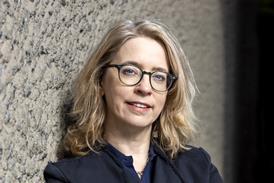
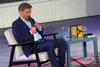
Kenneth Branagh has urged “caution and vigilance” around class representation in acting.

Speaking in the latest conversation session at Edinburgh International Film Festival (EIFF), Branagh said “the fight to make sure that everybody can be heard and have a chance to participate is just ongoing.”

“The caution and vigilance is always important to have if you believe that the character of theatre or the world of acting in British films is fully and most excitingly represented by many diverse voices,” said the actor-director.

Branagh is president of UK acting school the Royal Academy of Dramatic Arts (RADA), having graduated there in 1981. “There are many drama schools who really work very hard to find the most talented people,” he said, while identifying a challenge as getting “people to understand that there is an opportunity that they might not have considered to be there.”

He said he would not have been able to attend RADA without a discretionary grant, for which he had to audition for his local education authority. “It was complexing for them – two very nice, gracious people who are not remotely connected to the theatre. But they had to, in a very small office, see me make a lot of noise, passion and fury, to see whether they should give me the money.”

Branagh was responding to a question from the session’s host, journalist Peter Bradshaw, about whether the acting profession “is starting to favour posh people”, compared to when working-class actors such as Branagh and previously Albert Finney broke through.

“The dangers you talk about are absolutely worth being warned about,” said Branagh, who then highlighted the need for “the determination, not only the talent. I don’t feel there’s a secret cabal trying to let a mono quality be part of what we do. It neither works nor is it really possible.”

Harry Potter

In recalling films from his 45-year career, Branagh discussed the production of 2002’s Harry Potter And The Chamber Of Secrets, in which he played fraudulent magic professor Gilderoy Lockhart.

“I had one of the great privileged, daft nights in my life, in a hotel just outside Cheltenham – we’d been at Gloucester cathedral shooting,” said Branagh. “Holding court, the man telling all the stories was Richard Harris. But around the tables, Maggie Smith, Alan Rickman, Miriam Margolyes, David Bradley, and me, and a large amount of stimulus in the form of alcohol, which I do not recommend. You felt this massive weight of experience.”

He also remembered expecting to be on the film for three or four weeks, and being shocked by his nine-month involvement. “They gave me a ‘welcome to our world’ papers; it was the size of a telephone directory,” said Branagh. “It seemed like everybody in the British film industry, from every craft department, technical department. It was just immense.”

When it came to shooting, Branagh said mistaking a stand-in for the real Daniel Radcliffe on his first day gave him a sense of the scale of the films. “Every single character had been completely replicated. Then their stand-ins came in for the afternoon; then 10 to 20 minutes before they had to go, they [the main actors] came in and did their bit. And I never saw them again.”

Branagh said the young actors, including Radcliffe as Harry Potter, Rupert Grint as Ron Weasley, and Emma Watson as Hermione Grainger, were entirely engrossed in the school setting. “When they finally arrived for their 20 minutes, everything was going on that you might expect. Notes were being passed, darts were thrown at people. They had morphed into their characters and into the institution of fictional Hogwarts, surrounded by the entire British film industry.”

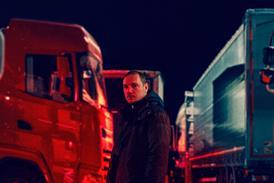
The session opened with a clip from Mayday, the upcoming Apple TV action comedy in which Branagh plays a Russian former KGB carpenter. It is the second occasion in the last six years that the actor has played a Russian character, after oligarch Sator in Christopher Nolan’s Tenet; Branagh was asked if he would consider the “key role” of Russian president Vladimir Putin.

“It depends on the writing, on whether you feel you can serve it appropriately,” said Branagh. “There’s no question that such characters are riveting. It’s important to analyse, investigate, understand how and why these people operate, in as much as we can draw inferences from what little we know of the inner lives of such regimes. He dominates our experience along with a number of other key figures.”

The EIFF audience packed out the main auditorium at the festival’s Central Hall venue, with the discussion taking in Branagh films including neo-noir Dead Again, ensemble drama Peter’s Friends, and his Shakespeare adaptations including Henry V and Much Ado About Nothing. David Puttnam, Charlize Theron and Steven Spielberg all featured in anecdotes; Branagh had intended to take audience questions in the latter part of the 90-minute session, but no time was left for them.

Branagh had received the Outstanding Contribution to Cinema Award from festival director Paul Ridd at the start of the session.

EIFF conversation sessions continue tomorrow (Monday, August 17) with a video talk with Bruce Dern.