






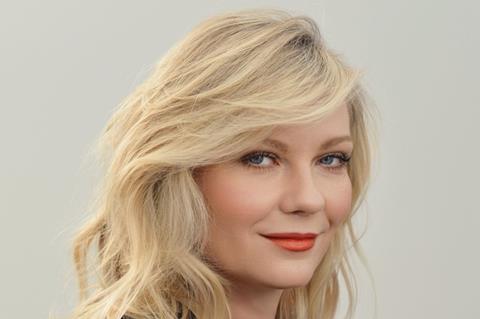
Kirsten Dunst addressed the impact of the #MeToo movement on the film industry at an In Conversation event at the Red Sea International Film Festival on December 4.
“We’ve put a lot of people away,” said US actress Dunst, when asked if the industry has changed since the movement. “People definitely can’t get away with what they used to. Everybody has an eye out now. It’s a much safer environment for all of us.”
“I was lucky, I had a good family, a good mother,” said Dunst. “I never had anything negative happen to me like that. I was very protected.”
In an hour-long session at the festival, Dunst regularly returned to the topic of industry working practices, especially for women.
“A lot of actresses are put in a position to please a director, which is often a man,” said Dunst. “It’s a negative thing for an actor. I’ve swallowed a lot where I didn’t use my voice and say what I really thought because I wasn’t powerful enough.
“That comes in any industry and anything you do. It’s growing up.”
Ruben Ostlund
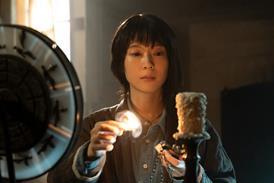
Dunst reflected on her career of over 35 years, from shooting Neil Jordan’s Interview With A Vampire opposite Tom Cruise when she was 11 – “I remember everyone treating me like a little princess” – to the four-month shoot for Ruben Ostlund’s The Entertainment System Is Down earlier this year in Budapest.
“The movie I just did, [Ostlund] did 20 takes minimum,” said Dunst. “That was wild. Just a bathroom break was heaven.
“That was a different type of environment for me, but I love it. I love finding new ways to inspire myself.”
“There are a lot of little things I learned. The scenes were long. Sometimes to take the pressure off myself, I would focus on the other person completely. Don’t think about anything you’re doing, just focus completely on the other person, an eyelash flinch or whatever.”
Female directors
Dunst noted how working with female directors from an early age has shaped her understanding of the industry.
“Growing up in this industry and working, I had to learn my own taste as I was in it,” said Dunst. “I worked with a female director on Little Women when I was very young [Gillian Armstrong in 1994]. I was exposed to female directors, and [there was] not a thought in my mind that that wasn’t normal.”
Dunst also advocated for an acting process called dream work, through which actors unpack their dreams to improve their performance.
“You write yourself letters about your character before you go to sleep,” said Dunst, who said she works regularly with acting coach Greta Seacat on the technique. “Whatever you bring you write down, and we interpret them together.”
Dunst said that she and her husband, actor Jesse Plemons, have both worked with Seacat, including on Jane Campion’s The Power Of The Dog; where they discovered that Campion and co-star Benedict Cumberbatch were both working with a different dream work practitioner.
Dunst added that Derek Cianfrance, her director on this year’s Roofman, also uses the technique, as does her regular collaborator Sofia Coppola.
Red Sea officially gets underway with the MENA premiere of Rowan Athale’s Giant today, December 4. Dunst said it was her first time in the Middle East. ”I got here in the middle of the night, it’s probably 1am in LA right now,” said the actress. “But I have my coffee, I’m ready to go!”
The Red Sea In Conversation sessions continue with Aishwarya Rai Bachchan, Nina Dobrev, Dakota Johnson, Jessica Alba and Ana de Armas.
Red Sea runs until Saturday, December 13.





No comments yet