







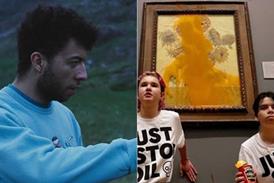

Maya Annik Bedward’s film won Fantasia’s Northern Excellence Award for Canadian filmmaking
Dir: Maya Annik Bedward. Canada, Haiti. 2026. 93mins
A fascinating, visually inventive journey through the history of Haiti’s Voudou religion and its appropriation by Western interlopers – and, particularly, Hollywood – Black Zombie digs deep into the origins of horror’s enduringly popular figurehead, the zombie. Canadian filmmaker Maya Annik Bedward employs a raft of experts and, crucially, Haitians themselves to present a fascinating thesis about the co-opting and corruption of the Black experience.
A fascinating thesis about the co-opting and corruption of the Black experience
Black Zombie most recently played Fantasia, where it won the Northern Excellence Award for Canadian filmmaking, following a premiere at SXSW and berths at festivals including Thessaloniki and HotDocs. It should enjoy continued festival momentum and, given the ongoing strength of the undead horror trope, could well find a wider audience particularly on streaming. Kino Lorber have US rights.
Bedward begins her film with a montage of clips from zombie movies and TV shows across the years, many of them immediately familiar: The Walking Dead; Michael Jackson’s Thriller music video; Shaun Of The Dead. But the story she goes on to tell is less well-known; the roots of the Voudou (known in the west as Voodoo) faith, and the Haitian idea of the zombie not as a flesh-eating ghoul, but as a Black person dehumanised by colonial slavery.
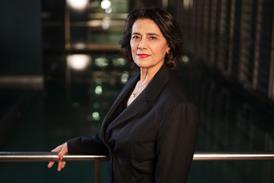
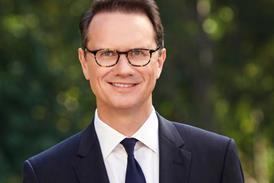
That’s not to say Bedward is po-faced or didactic in her filmmaking, far from it. She has assembled an eclectic raft of talking heads from the worlds of history, academia and culture – including special effects master Tom Savini, author Tananarive Due and Guns ‘N’ Roses guitarist Slash – who speak with passion and knowledge. Crucially, there are plenty of Haitian voices, including Voduou practitioners like Francois Yves Gregory, Mambo Labelle Déesse and singer/songwriter Erol Josue. Josue in particular makes for a striking figure, as he uses song and dance to explain the essence of Voudou as a focus on spiritualism, healing and community connection.
Through these testimonies, and via several chapters with titles including ‘The Crossing’, ‘Dead Men Working In Cane Fields’ and ‘Dawn Of The Flesh Eaters’, the film explores Haiti’s colonial past, particularly under French control in the 17th century. The island became extremely lucrative for its exportation of sugar which relied entirely on forced labour, and by the end of the 18th century there were around 500,000 enslaved individuals. These oppressed people came from all over Africa, bringing with them and leaning into their Voudou faith as a connection to home and their true selves. “Voudou is a dance that keeps the spirit of Africa in our bodies,” says Gregory. Slaves hoped for death, believing they would return to the mythical Africa; keeping someone from that, making them a zombie, cuts off that hope.
White traveller and author William Seabrook, who turned his experiences in Haiti into the 1929 bestseller The Magic Island, is credited with the first use of the word zombie in the English language; he had encountered a field-full of Black workers in a sugar plantation, dead behind the eyes. The rights for his ill-informed, racist book were sold to Hollywood and became 1932’s The White Zombie – and a genre was born. From there, Bedward joins the dots from those early cinematic iterations – in which the fear was not about being eaten but about becoming one of these primitive savage creatures, Blackness itself as evil – to the more modern movie monster.
George A Romero’s 1960 classic The Night Of The Living Dead was the first to turn the zombie into the flesh-guzzler we know today although, as Tananarive Due points out, it contains a striking message about race. (An accidental one, admits Romero in an archive interview). It was the sequel, 1978’s Dawn Of The Dead – and, particularly, Savini’s gory effects work – that really pushed the dial. Each step the zombie has since taken on-screen has moved it further away from its Voudou origins.
Also interviewed is Wade Davis, the Canadian ethnobotanist who visited Haiti in 1982 and whose resulting book, The Serpent And The Rainbow, was adapted into the controversial horror by Wes Craven in 1988. While Davis distances himself from the film’s stereotypical racism, the problematic ‘white saviour’ narrative rears its head several times during this story. (On particularly egregious example is the perversion of spiritual protector Barron Samedi in 1973 Bond movie Live And Let Die.) The image of the Zombie, it’s argued, did a great deal to help justify the continued oppression of Black people.
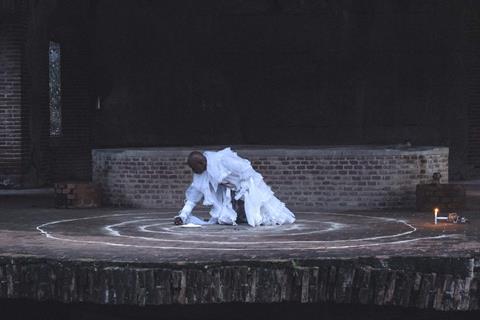
The Haitian revolution from 1701 to 1804, in which Black slaves rose up to overthrow their oppressors, is a pivotal moment in the Voudou faith, and in the film. While it has been erased from French history, Haitians celebrate it as a reclamation of identity – even though the country was also occupied by the US between 1915 and 1934 and has been kept economically shackled by the West. With her film, Bedward effectively helps to redress the balance, particularly by including evocative black and white dramatisations that visually return the zombie to its African roots.
Production companies: Third Culture Media, Hungry Eyes Media
International sales: Third Culture Media info@blackzombiemovie.com
Producers: Maya Annik Bedward, Hannah Donegan, Kate Fraser
Cinematography: Richard Diaz, Duraid Munajim
Editing: Jay Cheel, Peter Denes, Lawrence Jackman, Avril Jacobson
Music: David Arcus


No comments yet