






Charming Tribeca prizewinner makes its European premiere at Sarajevo
Dir: Dina Duma. North Macedonia/Belgium/Slovenia/Croatia. 2026. 82 mins.
Female defiance in the face of patriarchal injustice is to the fore in Dina Duma’s North Macedonian drama. The charming performances, especially from the younger cast members, are a winner. But she tackles familiar coming-of-age themes and the prospect of arranged marriage with a touch so light that her script (co-written with Lidija Mojsovska and Teona Strugar Mitevska) often feels more evasive than incisive about the topics she is seeking to address.
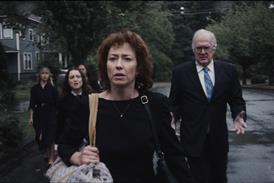
The director elicits warm performances from her key cast
Skateboarding Is Not For Girls continues Duma’s interest in teenagehood and female relationships after her 2021 debut Sisterhood. It has its European premiere at Sarajevo Film Festival, where it previously won the Female Voices CineLink Award in 2022. Skateboard screens after success at Tribeca Film Festival, where it took home the Nora Ephron prize, which celebrates distinctive women’s filmmaking. That and its accessible approach to heavy concepts should see it gain more festival play. It will be distributed in the Benelux region by September Film, but in a crowded coming-of-age market, wide-ranging commercial prospects could be a tougher ask.
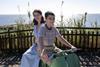
Adela (Efkjar Abaz) is a skateboard fan, and the 11-year-old is seen zipping along on one in some of the film’s airiest sequences, a little mistress of her own destiny at least in those moments. The sport is used as a signifier of freedom rather than a driver of the action, which centres on Adela’s home life.
She lives in the North Macedonian capital Skopje with her 15-year-old sister Zara (played by Abaz’s real-life cousin Dzefrina Jasari) and their mother Esma (Simonida Selimovic). Their father is away in Switzerland, ostensibly to work and send money home, but they are months in arrears on their rent, and it turns out that Dad has decided the move was a one-way ticket.
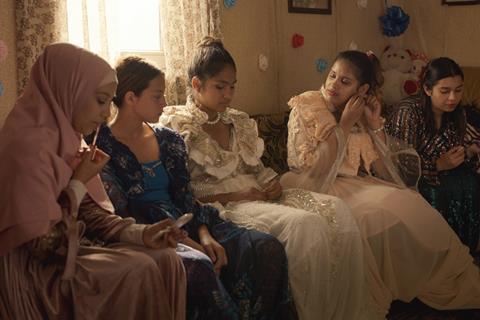
Faced with a cash crisis, the girl’s Aunt Aida (Ganimet Abdula, bringing bags of personality to a small character role) suggests the only solution is for Zara to be sold into marriage at a “bridal market”. Their mother, who is working as a cleaner despite being a trained lab tech, unwillingly agrees, and one of the most sobering aspects of the film is how quickly Zara accepts her fate as the only option to help the family. Feisty Adela, whose idealistic approach makes her the audience surrogate, remains defiant.
The director elicits warm performances from her key cast so the family dynamic feels lived-in and believable. Duma is also skilled at showing how patriarchal power is baked into everyday life. Aida, for example, says it’s impossible for Esma and her girls to move in with her because her brother — Esma’s estranged husband — would not permit it. Another character observes “having a boy means everything”, while girl talk among the local teenagers strays towards how best to conceive a male child. Everywhere the women try to raise some cash, they encounter men who are in charge.
While most of the scenes are shot with a naturalistic intimacy by Frederic Noirhomme, Duma occasionally uses directorial flourishes to her advantage. When the sound drops away on a fairground ride or we see Adela crying in the school choir, the film comes alive with emotional resonance.
More frustrating is the way Duma steers away from overt conflict, failing to grapple with her film’s thornier questions as much as she might. Trickier scenes are often elided, such as what happens in the aftermath of an accident as betrothal arrangements are being made and at crucial moments surrounding the wedding. Although this allows the director to avoid melodrama or demonising any of her characters, it is a bit of a cop-out that creates the impression that situations are easier to resolve than is likely given the circumstances. Duma continues to shine a light on North Macedonian society in ways that are accessible to a wide audience, but she risks following tried-and-tested formulas to a fault.
Production companies: Sisters and Brother Mitevski, Entre Chien et Loup
International sales: Kinology, festivals@kinology.eu
Producers: Labina Mitevska, Sebastien Delloye, Danijel Hocevar, Vanja Sremac
Screenplay: Dina Duma, Lidija Mojsovska, Teona Strugar Mitevska
Cinematography: Frederic Noirhomme
Production design: Vuk Mitevski
Editing: Alain Dessauvage, Pierpaolo Filomeno
Music: Jura Ferina, Pavao Miholjevic
Main cast: Efkjar Abaz, Simonida Selimovic, Dzefrina Jasari, Ganimet Abdula