










The Basque Country is strengthening its position as a film production hub, fuelled by increased public investment, a new generation of filmmaking talent and one of Europe’s most competitive financial incentives.
The region’s inclusion in the Spotlight section at the 30th edition of Tallinn Black Nights Film Festival (November 6-22) provides a timely opportunity to demonstrate the momentum behind its industry.
Leading the charge of Basque productions in Tallinn’s official competition lineup is Patricia Ortega’s Caballé, a portrait of Spanish opera diva Montserrat Caballé, exploring different stages of her life and career. Shot almost entirely in Bilbao over six weeks, it is a Spain-led co-production between Set Màgic Audiovisual, La Claqueta, Basque company Amania Films, La Charito and Belgium’s Menuetto Film. Film Factory Entertainment handles international sales.
Although not familiar with the world of opera, Venezuela-born, Spain-based filmmaker Patricia Ortega — who directed 2023 Sundance feature Mamacruz — was drawn to the project by Caballé’s personality. “Before I even read the screenplay, I started my own research, looking at interviews to try to understand her as a woman,” says the director. “I was intrigued by the command she had of her public image. That was key to connecting with the story.”
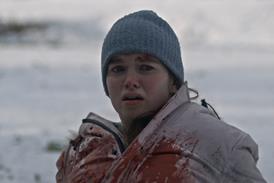
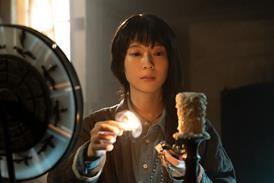
Tallinn’s Midnight Shivers section will also showcase Daniel Romero Bueno’s debut feature The Daughters (Las Hijas), which won the Sideral Cinema award at the Marché du Film’s Goes To Cannes showcase in May and played in competition at Sitges Film Festival.
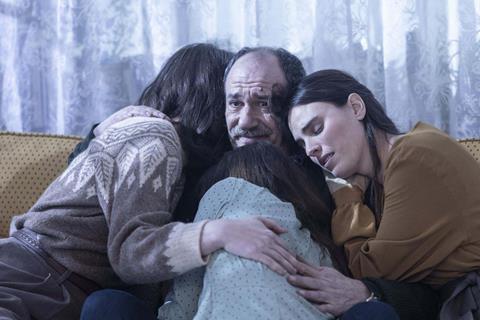
The psychological thriller is a Spain-led co-production involving Basque production company Atekaleun, La Verneda Films, La Charito Films and the UK’s Escape Plan Productions. It shot in the Basque Country, and follows a young woman who is kidnapped by a stranger and wakes up in a house in the woods. There she meets three other young women, who all behave like they are the kidnapper’s daughters.
Also on show will be Raul Barreras’s Meanwhile, Then, which screens in the Shorts Live-Action Competition strand. The Basque Spotlight will include a selection of shorts from the Kimuak programme, which operates under the region’s umbrella brand
Basque.Audiovisual. and supports emerging talent in the region.
Basque filmmaking talent is also well represented across Tallinn’s industry programme. The Baltic Event co-production market has selected up-and-coming filmmaker Joana Moya Blanco’s La Koreana as one of its titles. The debut feature, which was developed through Basque.Audiovisual.’s
Noka Ekoizpena filmmakers’ lab last year, won the Ikusmira Berriak prize at San Sebastian International Film Festival in 2025.
Production boom
Tallinn’s Spotlight section is a welcome showcase of Basque.Audiovisual.’s commitment to the internationalisation of the region’s industry — the results of which have been evident through its growing presence at leading film festivals and markets in recent years. At this year’s San Sebastian, for example, there were a record 31 productions, compared to the 20 selected in 2024.
Incentives have been instrumental in making the Spanish region a prime destination for international productions, and local production has been boosted by tax deductions of up to 60%, with an extra 10% for projects in the Basque language.
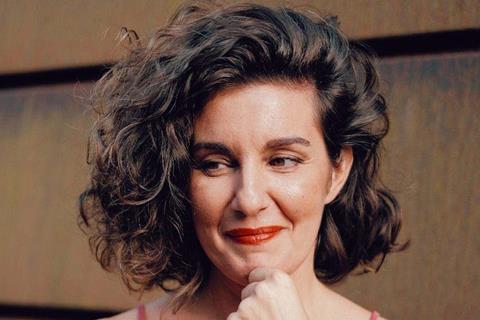
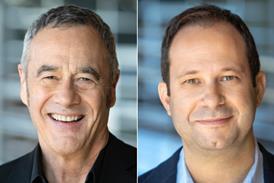
Basque producers including Laura Lizuma, Kevin Iglesias Rodriguez (one of the producers behind Caballé) and Mary Fernandez will be at Tallinn looking for co-production partners. Meanwhile, The Daughters producer Tamara Garcia Iglesias has a new project in the works. The River Woman is a western set in 1872 that she is also directing, and which features an English-speaking female lead.
“One of the main assets for attracting international players to co-produce with the Basque Country is that they can secure financing for 70% of the budget through the region’s public support schemes,” says Garcia Iglesias. “In the four years since the enhanced incentives were introduced, we have gained significant experience in co-producing.”
She points to further attractions. “The crews are well trained and the landscape is impressive. There are more and more filmmakers able to work beyond stories rooted in the specific culture and history of the Basque Country. And this opens a world of possibilities.”
Contact: Basque.Audiovisual.