











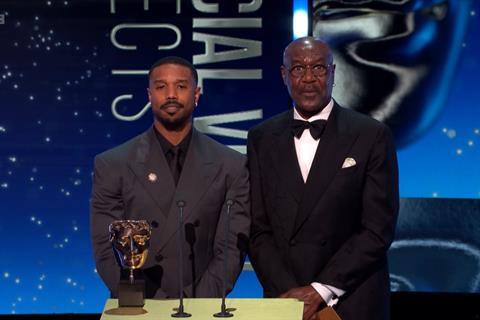
The BBC has upheld complaints over the broadcast of a racial slur during the Bafta Film Awards.
The corporation’s Editorial Complaints Unit (ECU) ruled the broadcast of the slur breached the BBC’s editorial standards on harm and offence, but that it was “not intentional”.
The incident occurred in February when Tourette’s campaigner John Davidson involuntarily shouted the N-word during the show while actors Michael B Jordan and Delroy Lindo were presenting an award. The slur, which was among other offensive tics heard, was broadcast two hours later on BBC1 and the ceremony remained available to stream on iPlayer until the morning after.
The corporation apologised for the incident, admitting it should not have aired, and subsequently launched an internal investigation.
The ECU’s findings said: “The ECU found that the inclusion of the N-word in the broadcast (which was also streamed live on iPlayer) was highly offensive, had no editorial justification and represented a breach of the BBC’s editorial standards, but that the breach was unintentional.”
It added that the fact the unedited recording remained available on iPlayer for so long “aggravated the offence caused”.
Today (April 8), chief content officer Kate Phillips acknowledged the ECU’s verdict “this should not have made it to air, and it was a clear breach of our editorial standards”.
“The production team did not hear the N-word at the time it was said and therefore no decision was taken to leave the word within the broadcast,” she said.
“The ECU accepted this was a genuine mistake, especially as the team did correctly identify and edit out a subsequent use of the same word, in line with the protocols that were agreed in advance of the event regarding offensive and unacceptable language.”
The ECU also investigated edits made to My Father’s Shadow director Akinola Davies Jr’s acceptance speech which removed the line “Free Palestine”, which some suggested was an act of censorship. The ECU ruled this was not the case and that the edits were made purely in line with the agreement around editing down due to time constraints.
iPlayer takedown processes under scrutiny
Phillips added that the BBC must learn from its mistakes and set out measures to improve pre-event planning and production at live events, as well as iPlayer takedown processes.
“There was a lack of clarity among the team present at the event as to whether the word was audible on the recording.
“This resulted in there being a delay before the decision was taken to remove the recording from iPlayer.
“The ECU has been clear that this was a serious mistake and commented that the fact the unedited version stayed up overnight made the severe impact of the inadvertent inclusion of the N-word worse,” she said.
The BBC said it would strengthen pre-event planning across major live events, including better assessment of potential on-air risks and agreeing associated mitigations and escalation routes, “review our production setup at live events to make sure there is effective, real-time monitoring of what goes to air” and is recommunicating the iPlayer takedown policy to make sure teams are “fully clear on how and when to remove content from iPlayer when necessary”.
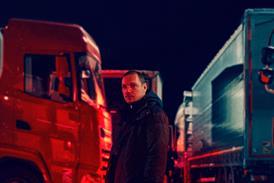
Last month, former director general Tim Davie explained that the error happened when the team editing the show in the truck mistakenly believed they had edited out the slur, having heard and edited out the slur shouted out during the best supporting actress award.
Davidson has also said the corporation should have “worked harder to prevent anything that I said” from being aired and questioned why he had been seated near a microphone.
A version of this story first appeared on Screen’s sister site, Broadcast.




No comments yet