








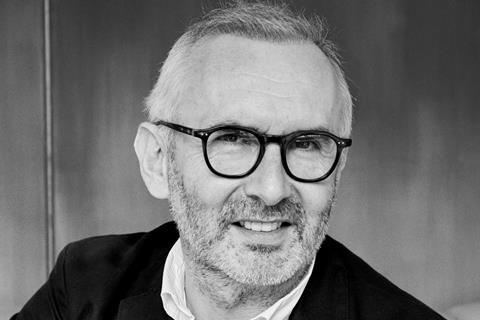
France’s CNC is ramping up support for the Oscar contenders for French films and has appointed awards specialist Sébastien Cauchon to a new Academy Awards advisory role.
It is part of a wider push to rethink the international strategy for the country’s film and audiovisual sectors.
The CNC said it will double funding available through Unifrance for French Oscar campaigns across all categories, while stepping up coordination between campaign teams, Unifrance and France’s diplomatic network. It declined to reveal any specific figures.
The strategy broadens the CNC’s Oscar push beyond France’s annual submission for best international feature to support French films and talent with prospects across the categories.
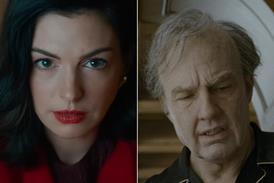
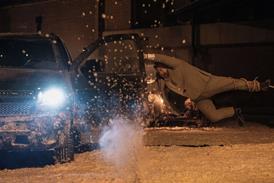
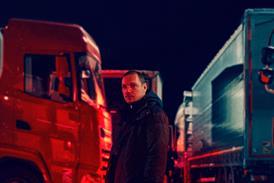
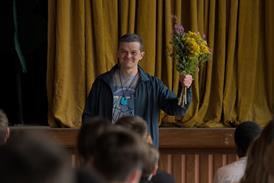
Cauchon will guide French campaign teams through the Academy and US awards circuit. He has previously worked on several recent Oscar campaigns, including Florian Zeller’s The Father, Coralie Fargeat’s The Substance and Natalie Musteata and Alexandre Singh’s short Two People Exchanging Saliva. He will notably work with the team behind Andrey Zvyagintsev’s Minotaur, the French-majority co-production selected as France’s entry for the international feature Oscar.
The CNC and Unifrance will also organise sessions for French industry professionals on the workings of the Academy and awards campaigning, alongside a series of events spotlighting French films in contention in the coming weeks.

France has not won the international feature Oscar since Régis Wargnier’s Indochine in 1993. The CNC has repeatedly overhauled its selection process, most recently in 2024, when it expanded the committee from seven to 11 members and introduced two-year terms in a bid to strengthen its independence.
Last year, all five films nominated for best international feature were French productions or co-productions: It Was Just An Accident, Sentimental Value, The Secret Agent, Sirat and The Voice Of Hind Rajab.
“Our model is unique in the world and shouldn’t rely on only one film,” said Cauchon.
Export rethink
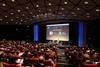
The CNC unveiled the expanded Oscar strategy on this week at the launch of its French Film and Audiovisual Export Meetings, organised with Unifrance in Paris.
Running until December, the meetings will bring together France’s film and television sectors to rethink the country’s international strategy, with dedicated sessions on cinema, audiovisual production and animation. The panels and talks will explore how to build international ambitions into projects from writing through to distribution and modernise France’s export support, culminating in a new roadmap in early 2027.
The CNC said the initiative comes amid a “sharp contraction” in the international audiovisual market and an increasingly concentrated global market for cinema.
“If we think about international when the work is finished, we’re not starting from a winning position,” said the CNC’s Bruel.
The initiative comes a decade after the CNC enlisted René Bonnell, a veteran French film executive and former Gaumont CEO, to rethink how France supported its films and TV programmes internationally. His work fed into the CNC’s 2016 Export Plan, which introduced automatic support for the international promotion of French films and strengthened and simplified export support for audiovisual works.
Bruel opened Monday’s inaugural meeting, which featured a conversation between Bonnell and Unifrance executive director Daniela Elstner on the challenges facing the sector a decade after the previous export reforms. Industry panels explored the outlook for French content internationally and how film and TV projects can build in global ambitions from an earlier stage. Cauchon closed the morning with a discussion on the Oscars as a platform for promoting French cinema and the country’s wider production model.
The Assises are a concrete follow-up to discussions at France’s Lumière Summit in September in Saint-Paul-de-Vence and aim to put international potential at the heart of French film and TV projects, from writing and development through to distribution.
Bruel added: “International is no longer simply what happens outside our borders. Like digital, it has become the air we breathe.”




No comments yet