




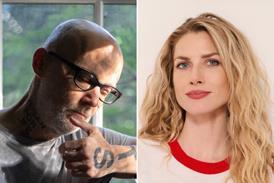





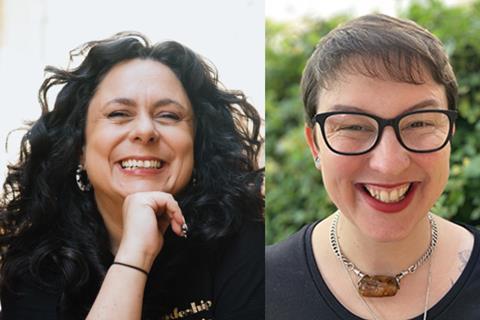
The UK government’s Department of Culture, Media and Sport (DCMS) has appointed Leila D’Aronville and Lizzie Crump as its first freelance champions.
The role was approved last year as part of the Creative Industries Sector Plan, which aims to advocate for more than 700,000 self-employed creatives in UK government decision-making.
Their work will address the findings of the DCMS-sponsored Good Work Review on the poor working conditions many creatives experience, including inconsistent use of contracts, uneven responses to bullying, harassment and discrimination, and a lack of proper support, training and development. Job quality for freelancers was marked as a particular concern in the review.
Gateshead-based D’Aronville is the founder of the North East Cultural Freelancers, a network supporting freelancers and small organisations across the region. She is also the managing director of the Northern Roots and Jumpin’ Hot Club, an artist development agency.
London-based Crump is one of the co-directors of What Next?, the UK’s largest free-to-access network for arts and culture. Previously, she was the co-director of the Cultural Learning Alliance, working to get young people meaningful access to culture, and in 2021, she received an MBE for services to the arts.
The duo will be supported byDave O’Brien, professor of cultural and creative industries at the University of Manchester, who is joining the DCMS on an academic secondment to provide research support.
They will also sit on the Creative Industries Council, a joint industry and government forum that represents the UK’s creative industries.
Culture secretary Lisa Nandy said: “The creative industries are built on the talent and dedication of freelancers, from runners on film sets to session musicians in recording studios. They deserve fulfilment and support in their careers like anyone else in work, and that’s exactly what the appointment of the freelance champions sets out to do.
“We are committed to making sure the creative sector remains a place where everyone can build a rewarding and sustainable career, no matter where you live or what job you’re doing.”
D’Aronville said: “Freelancers are essential to the UK’s creative and cultural strength, yet too often misunderstood or overlooked. Lizzie and I are determined to change that.
“We will work with government, industry and freelancers themselves to build a fairer, more informed environment, one that recognises the realities of freelance work and supports people to build sustainable, rewarding careers. My commitment is to leave a legacy of greater fairness, clearer understanding and stronger foundations for creative and cultural freelancers.”
Crump said: “Great policy is made when the people it affects are heard and understood, and when decision-makers truly understand the issues and context they are working with. We will use this role to champion creative freelance voices at the heart of our systems, and to add value to the brilliant work that colleagues round the country are already doing in support of this agenda and each other.”
Bectu has lobbied for the creation of the role for several years. Its head Philippa Childs added: “There is a lot of work to do - whether it is ensuring freelancers’ needs are properly reflected in the Employment Rights agenda, understanding how freelancers will be affected by tax changes, or examining the gaps in the social safety net – and we look forward to working with the champions so they can hit the ground running.”
A version of this story first appeared on Screen’s sister site Broadcast.






No comments yet