





Dimitri Planchon and Jean-Paul Guigue’s follow-up to their popular TV series premieres in Annecy
Dirs: Dimitri Planchon, Jean-Paul Guigue. France. 2026. 82mins
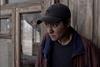
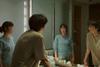
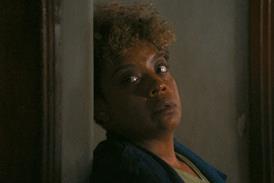
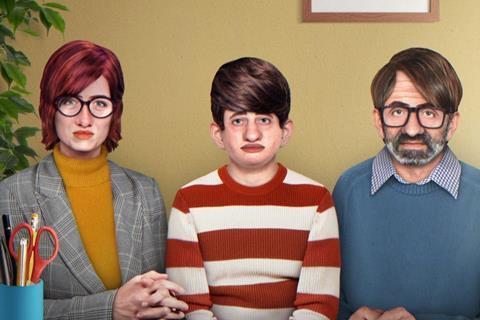
Following the misadventures and misunderstandings of the dysfunctional Sauvage family, Dimitri Planchon and Jean-Paul Guigue’s Blaise, is a symphony of social awkwardness. Sixteen-year-old Blaise (voiced by Timéo) is an introverted sad sack with no opinions of his own. His mother Carole (Léa Drucker) has an unfortunately abrasive manner which makes her deeply unpopular with her co-workers. His stay-at-home father Jacques (Jacques Gamblin) is aggrieved that he isn’t sufficiently respected or admired. Using a distinctive animated photo montage style, this stingingly perceptive deadpan animated comedy skewers the extremes that the Sauvage family will go to in order to be loved.
Strikingly original and extremely funny
Blaise screens in Annecy’s Contrechamp competition following its launch in the Acid sidebar at Cannes. This is the latest iteration of a story that started life as a cartoon strip, created by Planchon, in the pages of French anthology comic book Fluide Glacial. It was subsequently adapted by Planchon and animation director Guigue, into a television series. This feature rejoins the family a few years after the events of series – Blaise has grown from the maladroit pre-teen into a graceless adolescent – but keeps the immediately recognisable cut-out look of the series.
An existing fanbase in France should support the film on its homeground release by The Jokers. But the picture is both strikingly original and extremely funny, a combination that could connect with audiences at further festivals and perhaps curated screening platforms. Although undeniably Gallic in tone, there’s a kinship – in the droll, measured pacing and the humour of social mortification – with the films of Swedish director Roy Andersson.
The faces of the characters were created from multiple fragments of photographs of faces – they share oversized noses and blankly vacant expressions. Their movements, like their emotions, tend to be understated and undemonstrative. The three members of the Sauvage family, it quickly becomes clear, have a dread of drawing attention or standing out from the crowd. Their rigid awkwardness speaks of their extreme discomfort in the presence of others. And they will say or go along with anything rather than express a strong opinion – a trait that makes for absurdly excessive denouements in the third act.
The film establishes its dryly comic tone from the outset, with a superb, squirmingly uncomfortable scene with a school counselor. Blaise, she says diplomatically, has “quite a few qualities”. But the school is concerned by his inability to connect with his peers. “Could Blaise be gifted?” asks his mother, hopefully. The counselor slow blinks meaningfully before offering an emphatic “no”. His father, meanwhile, takes the opportunity to launch into a monologue about his own childhood, which was blighted by his allergy to apple-scented cleaning products.
Against all odds Blaise finds himself at a party, where other, more opinionated kids are debating the role of violence as a tool in political protest. Blaise, of course, has nothing to say on the matter but fellow guest Joséphine (Nina Blanc-Francard) mistakes his silence for depth. Assuming that he is a political radical like the other guests, Joséphine conceals her wealthy background and embarks on a rampage of political terrorism to impress him. Rendered mute with embarrassment, Blaise is too polite not to join her. Carole, meanwhile, is determined to make a good impression and a fresh start in her new managerial role at the gravel and pebble department of a stone wholesale company, coincidentally owned by Joséphine’s father – but her efforts backfire dramatically. Elsewhere, Jacques’ self-appointed therapy sessions with the school counselor reach an explosive conclusion.
The dark, astringent humour gains a levity from the music choices: frothy jazz which feels hilariously at odds with the crushing weight of social anxiety that bears down on the unfortunate Sauvage family.
Production company: KG Productions
International sales: Best Friend Forever sales@bffsales.eu
Producer: Alexandre Gavras
Screenplay: Dimitri Planchon, Clémence Lebatteux
Graphic design: Dimitri Planchon
Editing: Jean-Paul Guigue
Music: Alexis Pécharman, Denis Vautrin
Main cast: Léa Drucker, Jacques Gamblin, Timéo, Nina Blanc-Francard