









Since its inception, Amman International Film Festival - Awal Film (AIFF) has championed debut features from rising directors, writers and actors. It is right there in the name – ‘Awal Film’ translates from the Arabic as ‘First Film’.
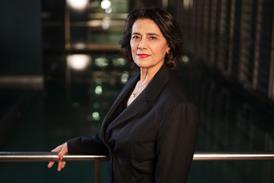
Princess Rym Ali, president and co-founder of the festival in the capital of Jordan, says AIFF has aimed to “develop and promote an Arab cinema that reflects the creativity of the region and tackles the issues that are prevalent today.”
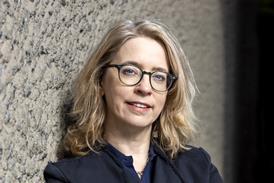
Going into its seventh edition, which runs July 26 to August 3, AIFF festival director Nada Doumani stresses that although AIFF “is not a red-carpet style festival, with glamourous stars,” its need to appeal to a large audience means “striking a balance between a niche festival and a popular one”.
This year’s edition features 82 films from 27 countries, including 10 world premieres, two international premieres and five Arab premieres. It will feature a spotlight on Tunisian cinema, comprising six films that represent some of the country’s most notable cinematic achievements.
Jordanian cinema is always at the forefront of the festival, with 13 films across all sections. This year, the festival introduces a Made in Jordan section, dedicated to films by Jordanians or Jordan-based residents produced through workshops or educational programmes.
Each edition of the festival revolves around a theme. This year, it is Beyond the Frame. “We are inviting filmmakers and audiences to take a bold step: to look “beyond the frame” itself, beyond what is immediately visible, and beyond conventional ways of thinking,” says Doumani.
With a spotlight on Tunisian Cinema, the North African country provides the festival’s opening film, Sophia, the latest from actor-turned-filmmaker Dhafer L’Abidine. He also stars in the thriller as the estranged father of a London-based girl who goes missing in Tunis.
Competition
There is also a competitive side to AIFF. Cash prizes and three Black Iris trophies are awarded to Arab films during the festival for best feature-length narrative, best feature-length documentary and best short film. There is also a non-Arab competition and all of these sections also feature an audience award.
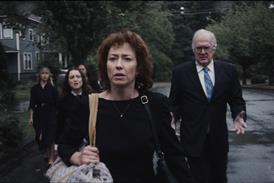
The year’s narrative strand includes eight titles such as Sudanese feminist tale Cotton Queen by Suzannah Mirghani, Iraqi childhood adventure The President’s Cake by Hasan Hadi, which was shortlisted for the Academy Awards, and Lebanese love story A Sad And Beautiful World, directed by Cyril Aris and starring Mounia Akl.
The jury is led by Tunisian thespian Hend Sabry, star of Four Daughters; Lebanese filmmaker Joana Hadjithomas (Memory Box, The Lebanese Rocket Society); Egypt-UK multi-disciplinarian Khalid Abdalla, known for his role as Dodi Fayed in The Crown; and Jordanian composer Tareq Al Nasser.
The best Arab feature documentary competition, comprising seven titles, will be presided over by Swiss filmmaker Christian Frei. Films competing include Libyan title My Father And Qaddafi by Jihan K, Flana by Zahraa Ghandour and Habibi Hussein, directed by actor and editor Alex Bakri.
Filipino filmmaker Brillante Mendoza will help decide the best non-Arab film alongside Palestinian star Saleh Bakri and Jordanian-Canadian composer Suad Bushnaq. The seven-strong selection ranges from UK-Nigeria drama My Father’s Shadow by Akinola Davies Jr to Grace Passo’s Brazilian drama Our Secret.
Talks
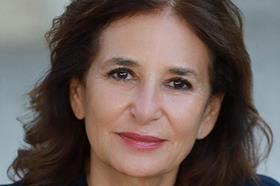
“Beyond the screenings, the festival hosts public talks with internationally acclaimed figures,” says Doumani. “These include Hend Sabry, Khalid Abdalla, Brillante Mendoza, and Dora Bouchoucha.”
Featured among AIFF’s Special Screenings will be Mendoza’s 2016 Filipino drama Ma’ Rosa followed by a conversation with the director, alongside Nicolas Wadimoff’s Who Is Still Alive, winner of the Cinema & Arts Award at the 2025 Venice Film Festival, accompanied by the visual exhibition ‘Still Alive’.
“Almost all the funders and partners of the AIFF are Jordanian – either entities or individuals – and this is a big source of pride for us,” says Doumani. “It shows how they believe in the importance of cinema and culture and its impact.”
The festival’s partners, most of which have been supporting it since its inception in 2020, include the Jordan Tourism Board, The Royal Film Commission - Jordan, Abdali Investment and Development, Zain Jordan and Royal Jordanian airline.
“We shouldn’t forget that the regional situation doesn’t help,” adds Doumani. “The war in Gaza impacted us and the unpredictability in a volatile region doesn’t help. But we truly believe art is a necessity and a form of resistance, that is needed so much nowadays.”
The Amman Film Industry Days run parallel to the festival from July 27 to August 1.


No comments yet