



Liam Neeson produces Frank Berry’s respectful drama, which stars Monica Dolan as Galway historian Catherine Corless
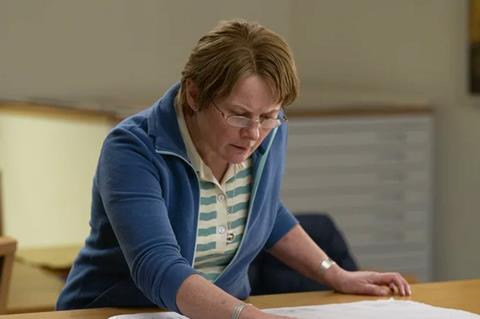
Director: Frank Berry. Ireland. 2026. 81mins
This moving, respectful Irish drama is based on a 2017 New York Times article by Dan Barry about the horrifying discovery of infant remains on the grounds of the long-defunct St Mary’s Mother And Baby Home in Tuam, County Galway. But its roots go far deeper than that. Back to 2010, when Tuam resident Catherine Corless began researching the home for a history class essay. To the1970s, when two local lads discovered human bones in the old home’s grounds, only for authorities to claim they were famine relics and cover them with concrete. To 1925, when the home opened for unmarried mothers and their illegitimate children, and over the next 35 years, witnessed the deaths of over 800 infants who were never given any proper burial.
Berry shows restraint in his direction, allowing the facts to fuel the drama
Sensitively directed by Irish filmmaker Frank Berry, whose 2023 Irish immigrant drama Aisha played at festivals including Tribeca, Cork and London, The Lost Children Of Tuam had a fitting world premiere at Galway Film Fleadh. It should do well in Ireland when it releases in the territory through Volta Pictures, which also has UK rights. The presence and support of Irish star Liam Neeson as a producer could also help raise the film’s profile internationally, although it may perform strongest on a streaming or broadcast platform.
There has been a recent reckoning in Ireland about the country’s numerous mother and baby homes; a confrontation of the shame and regret surrounding these church-run workhouses in which unwed mothers and their children were mistreated and put to gruelling unpaid work, and often forcibly separated. Many of the children ended up with families overseas; numerous others died in childhood. While the Irish government only offered an official apology to survivors in 2021, filmmakers have been exploring these issues for much longer, from dramas including The Magdalene Sisters (2002), Philomena (2013) and Small Things Like These (2024) to documentaries like The Missing Children (2021) and Stolen (2023) – both of which feature historian Catherine Corless, the subject here – and last year’s Testimony.
The Lost Children Of Tuam focuses not so much on the atrocities of St Mary’s, run by the Bon Secours order – although these are made very clear – but on Catherine’s tireless efforts to uncover the truth. In 2010, she was a wife and mother taking an adult history class, embarking on research for an essay. What she found was a decades-long cover-up in which the home’s children died at an astonishing rate – often from usually-treatable illness and malnutrition – but were never given proper burials. Years of diligent research lead Catherine to the terrible understanding that nearly 800 children, aged from a few days to eight years, were buried without memorial or record in the grounds of the home – now largely underneath the playground of a local housing estate.
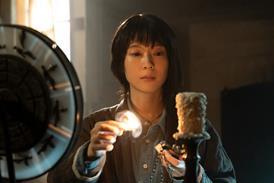
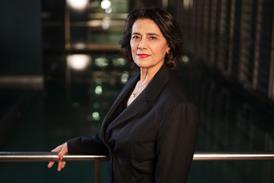
The screenplay from Rebecca Lenkiewicz (The Salt Path, She Said) follows the familiar contours of such real-life drama, concentrating on joining the dots of Catherine’s discoveries and her tireless attempts to get the authorities to investigate. As played by Monica Dolan – who also starred in Mr Bates Vs The Post Office, another stirring tale of ordinary people speaking truth to power – Catherine is a mild-mannered everywoman who, with the support of her family, including husband Aidan (The Quiet Girl star Andrew Bennett), feels compelled to keep going, despite the personal toll of the investigation. Dolan gives a quiet performance that never detracts from the story unfolding on screen; equally, the supporting cast is solid and understated.
It’s impossible to remove the real-life emotions of these events from the experience of watching The Lost Children Of Tuam, and Berry shows restraint in his direction, allowing the facts to fuel the drama. Hannah Peel’s lilting, melancholy score never overwhelms, while unfussy, linear editing from Colin Campbell and Nathan Nugent foregrounds the key events: the discovery of the death certificates; the publication of Catherine’s essay; interviews with local and then national press; meetings with survivors; and, finally, an official, damning government report.
Catherine’s own chequered history with the so-called ‘Home Babies’ – her own mother was illegitimate, she and her classmates used to bully the St Mary’s kids who attended their school – is shown in brief flashbacks, and via an effective repeated aural motif of children’s boots marching in unison. More of these psychological insights would perhaps have given the film a greater personal depth, as would increased time spent with Catherine and her family beyond her mission. But as Catherine – who worked closely with the filmmakers and continues to advocate for Ireland’s lost children – would likely note herself, this is not really her story. With an estimated 9,000 child deaths in 18 Irish mother and baby homes between 1922 and 1958, the narrative belongs to the myriad families impacted by these devastating crimes.
Production companies: Element Pictures, El Paso Films, Big Red Films, Port Pictures
International sales: mk2 intlsales@mk2.com
Producers: Liam Neeson, Jules Daly, Chelsea Morgan Hoffmann, Andrew Lowe, Ed Guiney, Martina Niland
Screenplay: Rebecca Lenkiewicz, from the New York Times article by Dan Barry
Cinematography: Kate McCullough
Production design: Lucy van Lonkhuyzen
Editing: Colin Campbell, Nathan Nugent
Music: Hannah Peel
Main cast: Monica Dolan, Andrew Bennett, Ian McElhinney, Tom Delahunty