

















The popularity of Japanese animation is at an all-time high, with the Marché hosting industry leaders and upcoming projects to showcase what the future holds for anime.
Japanese animation has the attention of the world as one of the country’s major cultural exports. Anime is also a major presence at this year’s Marché du Film, with panels at the Cannes Animation platform featuring industry leaders here to share their insight. Annecy Animation Showcase also includes two in-production anime films from exciting talent.
Japan’s anime industry has emerged from its origins in low-budget, black-and-white TV shows in the early 1960s to become a juggernaut worth $25bn and growing, especially outside its borders where anime-related revenues now surpass those of Japan itself. Overseas revenue nearly doubled to $13.8bn (¥2.2tn) in the five years from 2020‑24, revealing increasing demand for Japan’s brand of animated storytelling around the world.
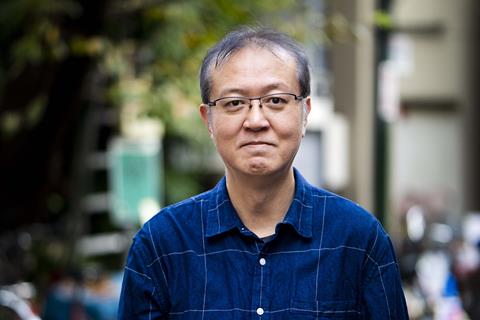
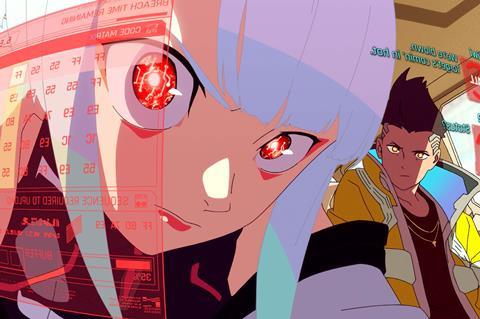
One factor in anime’s appeal is its diversity, says Masahiko Otsuka, president and CEO of Studio Trigger, founded in 2011 and known for titles including Promare and Cyberpunk: Edgerunners. “We create things with a unique character that you cannot find anywhere else,” he says. “Anime is different to animation from Hollywood or other countries, and it varies from studio to studio, so there are all kinds of different works out there.”
Otsuka will be on stage on May 17 to discuss the global appeal of anime alongside Tomohiro Tokunaga, president and CEO of CoMix Wave Films, the studio known for acclaimed features Suzume and Your Name.
“Japanese animation has a long history, a deep-rooted fanbase and a huge volume of productions,” says Noriko Matsumoto, co-founder and producer at Dwarf Studios, the stop-motion studio which is presenting its film Hidari at the Annecy Animation Showcase. “A few decades ago, anime was thought of as something only for children, but people who grew up on anime have now become adults themselves.”
Further talks during Cannes Animation include a panel focused on the global strategy of Toei Animation (One Piece, Dragon Ball) and another about the increasing potential of international anime distribution featuring Eduardo Calla, chief strategy officer at BF Distribution, and Amel Lacombe, CEO of Eurozoom — Panoranime.
Anime has become a familiar presence at Cannes, with Mamoru Oshii’s Ghost In The Shell 2: Innocence competing for the Palme d’Or in 2004 and classics like Hakujaden (The White Snake Enchantress) and Oshii’s Angel’s Egg selected for retrospectives. In 2024, Studio Ghibli, the lauded animation house behind Oscar-winning films Spirited Away and The Boy And The Heron, was awarded the first-ever collective Honorary Palme d’Or.
Increased collaborations

Anime’s burgeoning presence overseas has come from a growing number of international collaborations and co-productions. In 2022, Trigger worked with Polish video-game studio CD Projekt Red to create Cyberpunk: Edgerunners, an anime series set in the universe of the Cyberpunk 2077 video game, and has produced multiple shorts in partnership with Lucasfilm for the animated Star Wars: Visions anthology.
When it comes to working with international partners, Otsuka says: “There are certainly differences in perspective and creative approaches and, of course, cultural differences. But we share a common passion for creating great work, and that’s what matters most. Even when our opinions clash and we end up debating, those discussions are fuelled by a shared desire to create something great, and that ultimately leads to mutual understanding.”
Working across borders “is always a learning experience”, says Matsumoto, whose credits include Netflix series Rilakkuma And Kaoru, and is seeking international partners for Annecy Animation Showcase film Hidari.
“Communication can be tough at times, but it’s also interesting and full of discoveries. When you go abroad, you find people using all sorts of different methods. It’s great to share not just technical know-how, but also things like the strategies producers use — all that kind of knowledge.”
Fresh features

Hidari, one of two Japanese projects at the showcase, is a feature about a legendary sculptor from Japan’s Edo period (1603-1868) who breathes literal life into his wooden puppets while facing down myriad foes with some intense samurai action. Matsumoto says the project came from a desire to push the boundaries of stop-motion.
“Stop-motion animation is, in a way, a bit of a niche field. It tends to have a more artistic feel. I’ve always wanted to make interesting commercial projects — stop-motion that everyone can enjoy.”
Matsumoto produced a five-minute pilot for the project in 2023, based on an idea conceived by filmmaker Masashi Kawamura of Japan’s Whatever Co, which amassed nearly 5 million views on YouTube. Dwarf Studios is also working on an adaptation of the manga Sunny by Taiyo Matsumoto, which was pitched at Cannes last year.
The second Japanese title in Annecy Animation Showcase is Wasted Chef, an upcoming film from director Takayuki Hirao and studio Clap, the creative team behind 2021’s Pompo: The Cinéphile. It is about a young chef whose cooking awakens lost memories after he finds himself in a ruined city where the concept of flavour has long been forgotten.
While anime is booming both in Japan and abroad, many of the most successful properties are from long-running franchises or based on popular manga or light novels, and while original ideas receive acclaim at festivals, they often have a tougher time gaining commercial traction.
“Not all viewers watch dozens of films a year, so there is a reluctance to take risks,” says Otsuka. “But it’s a two‑way street. We need to be creative and give audiences a sense of novelty that makes them reach out and explore beyond their usual favourites.”
Matsumoto notes Hidari is a sort of hybrid, an original based on real-life events during Japan’s Edo period, albeit with a fantastical twist. “It’s inevitable most projects are based on existing IP,” she adds. “But I want to tackle the challenge of creating something new, to appreciate the value of making something from scratch.”








No comments yet