
















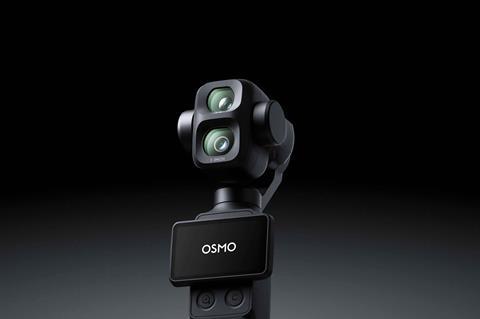
Since pioneering the gimbal camera category in 2015 and introducing the world’s first pocket- sized gimbal camera in 2018, DJI has been at the forefront of how creators capture motion and tell stories. Inheriting the cinematic genes of the Ronin & Inspire Series, DJI’s rising Osmo Pocket Series is now making its most visible move yet into the professional cinema space as it debuts the all-new Osmo Pocket 4P at Cannes.
The company has spent more than a decade building a presence in the film industry, with its technologies contributing to Oscar and Primetime Emmy Award-winning productions including F1: The Movie, Dune and limited series Shōgun. It has also been awarded a technical Emmy.
With the Osmo Pocket 4P, DJI is now spearheading a new era of handheld gimbal systems, where professional-grade filmmaking capability is delivered with pocket-sized portability.
Professional workflows
Osmo Pocket 4P builds on a growing movement in which compact cameras are reshaping how stories are created and shared. Its Cannes debut highlights its potential to influence the future of cinematic vlogging and DJI’s desire to inspire a new generation of mobile-first filmmakers and lead global trends in democratised visual storytelling.
There are two headline specifications that DJI believes set the camera apart from other compact systems. The first is its 17 stops of dynamic range, a level typically associated with high-end cinema cameras. DJI claims the Osmo Pocket 4P is the only compact camera currently reaching that benchmark.
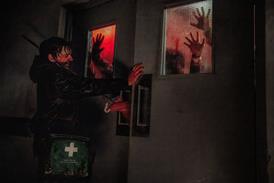
At the Osmo Pocket 4P showcase in Cannes, guests were invited to see how its advanced sensor technology and refined imaging algorithms ensure clear, detailed footage, making it possible to shoot confidently in challenging conditions from nighttime cityscapes to indoor scenes.
Dynamic range remains one of the most important indicators of image quality, and DJI is clearly aiming to position the Osmo Pocket 4P as a serious tool for cinematographers who need flexibility on set and in post.
The second major feature of the Osmo Pocket 4P is the introduction of 10-bit D Log 2, DJI’s professional colour science profile. This marks the first time the company has upgraded its log system since the launch of the Ronin 4D, which was used as the main camera on Alex Garland’s Civil War. DJI describes D Log 2 as a “huge leap” in grading flexibility, offering a richer colour space and more robust data for post-production workflows.
Its enhanced portrait capabilities deliver natural skin tones and cinematic depth, enabling more emotionally engaging storytelling across interviews, vlogs and narrative content.
Several leading directors of photography attended the Osmo Pocket 4P showcase, including Christopher Blauvelt, who shot 2023 Competition entry May December, and Rodney Charters, the lead DoP on Fox series 24, as well as Mátyás Erdély and Paul Guilhaume.
Its compact form, paired with cinematic imaging performance, is positioning the Osmo Pocket 4P as a compelling companion for independent filmmakers and a powerful storytelling device for documentary work — whether as a main camera or as a flexible companion device to augment coverage of any scene.
The next step
DJI has led the world with civilian drone innovations since 2006. While drones remain its most recognisable product category, DJI says its imaging systems are now becoming the default choice in several Asian markets. In Japan and China, the company claims its Osmo Pocket 3 camera has effectively become the “camcorder of choice”, surpassing traditional brands.
The Osmo Pocket 4P is the next step in that evolution. It is designed to appeal to both Hollywood-level cinematographers and ‘elite creators’ who want uncompromising image quality for personal projects. DJI frames this as part of its mission to democratise technology, making advanced imaging tools accessible to a wider audience.
By unveiling Osmo Pocket 4P on one of the most prestigious stages in global filmmaking, DJI is reinforcing the idea that cinematic storytelling is no longer confined to large-scale rigs, but can now exist in a device small enough to carry anywhere.