











The Première Brasil programme in the 28th edition of Festival do Rio (October 1-11) is the beating heart of the festival and brings more than 100 selections from powerhouse Brazilian filmmakers and emerging local talents on their first or second features.
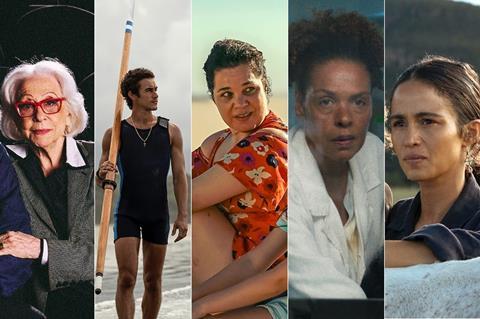
On the eve of the festival, Screen profiles five selections from the competitive section, ranging from an account of a transatlantic solo crossing and a documentary about the work of Brazil’s grande dame of acting, to the story of a former female outlaw fleeing to the interior, a thriller about a pioneering scientist, and a genre tale about a mother and daughter who lose their home in a fire.
100 Days (100 Dias)
Dir. Carlos Saldanha
Closing gala, out of competition
October 11
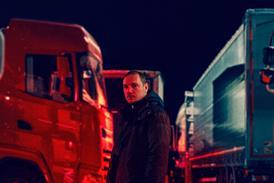
Based on the real-life solo transatlantic crossing of Brazilian explorer Amyr Klink, 100 Days will close the Première Brasil, at the historic Cine Odeon. The film revisits the 1984 feat when the sailor, then 29, entered the Guinness World Records book as the first person to row across the South Atlantic Ocean, from Namibia to Brazil in 100 days.
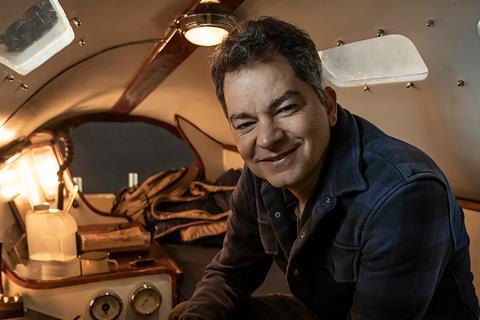
Directing the feature is one of Brazil’s most internationally recognised filmmakers, Carlos Saldanha, best known for the animated Ice Age and Rio franchises. This is Saldanha’s first entirely live-action feature. (The 2024 family film Harold And The Purple Crayon was a live-action and animated hybrid.)
“It was nearly eight years of work,” producer Paula Cosenza of Trema says. Trema is partnering with Ventre Studio and Boipeba Filmes on the project. “That was the time needed to acquire the rights to the book [Klink’s One Hundred Days Between Sea And Sky], bring on a director like Saldanha, the best person to tell such a quintessentially Brazilian story to the world, and adapt the book for the big screen,” she adds.
Distributed by Buena Vista International, 100 Days is the first co-production between Brazil and Finland. Through TotalPost Finland, the Scandinavian country provided its full expertise to create the marine life that drives the narrative. Filipe Bragança Klink.
Fernanda
Dir. Pedro Waddington
Hors concours
October 8
Fernanda Montenegro is the grande dame of Brazilian cinema, theatre and television and over the course of a career spanning eight decades, became the first Brazilian to be nominated for the best actress Oscar when she starred in Walter Salles’ Central Station (1998).
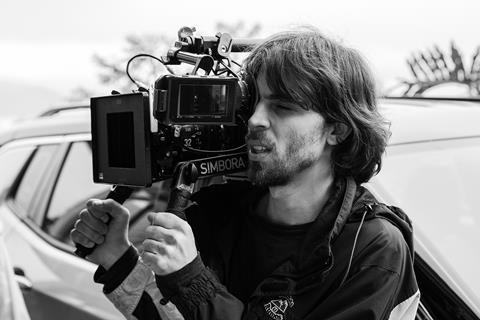
This new documentary examines 96-year-old Montenegro’s work routine as she prepares for her last two films, Vitoria (2025) and Old Bandits (2026), and her dramatic reading of Simone de Beauvoir’s book The Ceremony Of Farewell. The reading took place in 2024 and is listed in Guinness World Records as the largest audience at a Portuguese-language book reading, with an audience of 10,581 people.
Fernanda is produced by Conspiração where Montenegro’s son Claudio Torres is one of the partners. To continue the family theme her son-in-law Pedro Waddington, son of filmmaker Andrucha Waddington, is the director, although he does not necessarily reference the family connection in the narrative.
“The family bond was very helpful in allowing me to make this documentary,” Waddington, making his first solo directing feature, says. “But since it takes place mostly in a work environment, there are no moments at home or family dinners.”
What interested Waddington most was drawing reflections from someone who, even in old age, remains deeply engaged in her work, in order to provide a sense of the actress’s life. “Since I have no intention of presenting a full-scale biography, the film starts from the present to access the memories of the key moments in her life,’’ he adds.
Maria Of Maria (Maria de Maria)
Dir. Luiza Shelling Tubaldini
Fiction / competition
October 7
Filmmaker Luiza Shelling Tubaldini grew up in the interior of São Paulo state watching Westerns on television. “When I saw actresses like Claudia Cardinale and Grace Kelly portraying those girls in huge dresses, I always wondered what it would be like if they were the protagonists,” Tubaldini says.
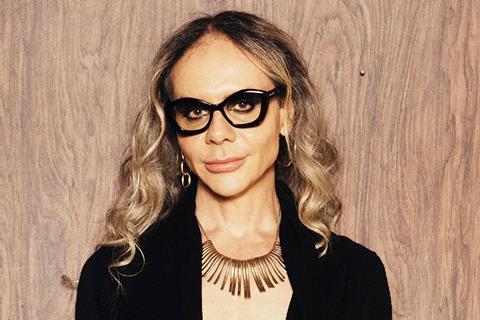
That is how the female-led Western Maria Of Maria was born. It stars Nanda Costa (2009 Rio best actress for Sandra Werneck’s Stolen Dreams) and marks the second feature from Tubaldini following the vampire thriller Love Kills (2025), which won best sound at the 2009 Festival do Rio and also played in Sitges.
Produced by Filmland Internacional, Maria Of Maria takes place in 1940 as a pregnant former female outlaw or “cangaceira” who witnessed the destruction of her gang flees to the interior, where a government programme promises 30 hectares of land to small farmers.
Caught between the ghosts of her past and the challenges of a new life, her journey will require great determination to rewrite her own story. “It’s a film about redemption, about not denying your past, but knowing when to leave it behind,” Tubaldini says.
Days Of Fire (Diário do Fogo)
Dirs. Maju de Paiva and Bernardo Florim
Fiction / competition
October 3
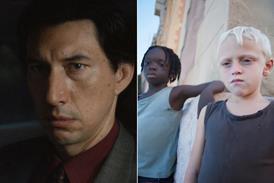
After losing their home to a fire, a mother and daughter must rebuild their lives. Blending elements of social drama, fantasy and horror, the story explores the ability to speak with the dead, an extraordinary gift viewed with fear or suspicion by most people around them.
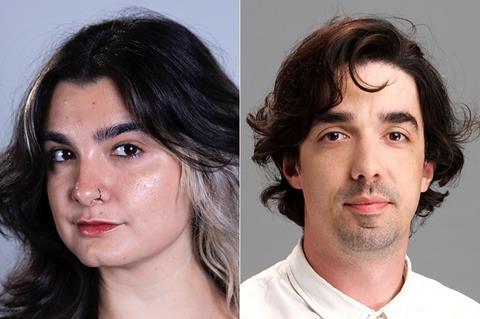
“This intersection of faith, spirituality, daily life and the survival of humble Brazilian families is a very fertile ground,’’ says Bernardo Florim, who co-directed the film with Maju de Paiva for Viralata. “Brazil is a place where reality often seems more exaggerated than fiction. My mother used to say we should fear the living more than the dead, and I believe this encapsulates the story we are telling here,’’ Maju de Paiva adds.
This genre film stands in stark contrast to the duo’s first feature, Seaside Avenue (2024). Their debut drama won the best directing award at Guadalajara Film Festival and the Félix Award celebrating productions with LGBTQIA+ themes at Festival do Rio.
“It was only as we progressed with Days Of Fire that, to our surprise, it began to morph into a genre film,’’ de Paiva says, noting that it was a challenge to make a film filled with practical and digital effects, including fire and hauntings, on a modest budget of BRL 3.5m (US$ 680,000).
Oceanic
Dir. Guilherme Coelho
Fiction / competition
October 2
Oceanic is a political thriller that follows a brilliant scientist (Ana Carbatti) trying to save alcoholics while tackling crime and the levers of power in Rio de Janeiro. As she challenges the status quo by proposing an ayahuasca treatment to combat alcoholism, a disease that killed her husband, she is confronted by her own son played by Caio Cabral.
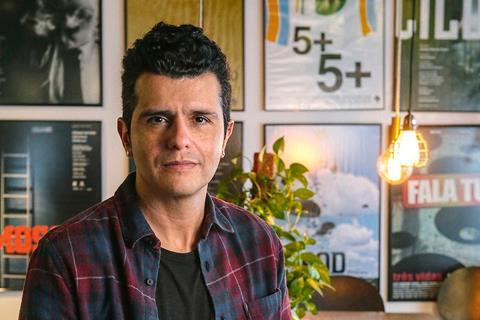
“It is an intimate drama about a fractured family navigating intense personal and political challenges,” says director Guilherme Coelho, founder of the film’s producer Matizar Filmes. “What fascinates me most about the story is the dynamic between mother and son, with all its tensions, contradictions and emotions.”
One of the films competing for the Redentor awards this year, Oceanic stems from Coelho’s extensive research on alcoholism. Initially Coelho turned his research material into the documentary Luz Acesa (2020), before he explored the story through fiction.
“Alcoholism is a massive public health challenge that kills almost three million people each year [accounting for more than 4% of all deaths worldwide], representing a true neglected pandemic,’’ Coehlo says, citing official figures from World Health Organization.




No comments yet