




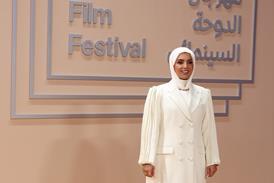





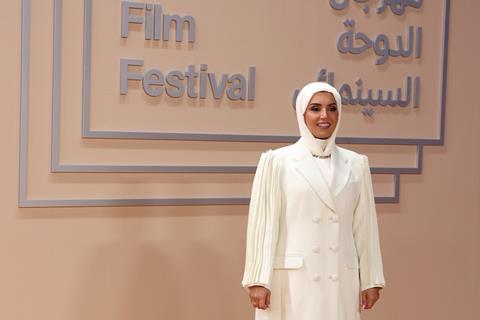
Doha Film Festival’s commitment to “bringing people together through cinema” has never been more meaningful than at this time of conflict in the Middle East, according to festival director and Doha Film Institute CEO Fatma Hassan Alremaihi.
The festival will open its second edition on Thursday, November 19 with the MENA premiere of The Station, a drama set at a women-only petrol station in war-torn Yemen.
That will kick off nine days of screenings, talks, concerts and events, including a 15-film international competition, four Qatari feature world premieres in its special screenings, and gala titles including James Gray’s Paper Tiger and Bruno Dumont’s Red Rocks.
The activity is already underway, with a Pokémon Go-style game titled Side Quest running across the city from November 9-19 inviting participants to follow clues and unlock rewards hidden film posters.
Alremaihi tells Screen why the event had to go ahead despite the regional troubles, and about industry response to the event.
What did you learn from DFF 2025 that you have been able to take into this year?
DFF 2025 affirmed the tremendous appetite for a festival that brings together diverse voices, perspectives and audiences through cinema, and its success gave us both confidence and responsibility to build further. We learned the importance of creating an experience that goes beyond screenings to build connections between filmmakers, industry professionals and audiences.
What was the response from the industry to the first festival? And what was the interest like in taking part this year?
The response was incredibly encouraging, and we were particularly proud of the confidence that filmmakers, distributors, industry leaders and international partners placed in the festival. We have had strong interest in this edition from both emerging and established industry members.
The Iran war has had major effects worldwide and has created danger in the region, including in Qatar. How have you navigated planning a film festival under those conditions?
We cannot separate culture from the realities of the world around us. These are challenging times for our region and the international community, and we have approached preparations with a strong sense of responsibility and care.
At a time when uncertainty and division dominate global conversation, our commitment to bringing people together through cinema has never been more meaningful. We continue to work closely with the relevant authorities and our partners in a careful and responsible way to uphold our commitment to safely delivering a festival that celebrates creativity, dialogue and our shared humanity.
Are there security measures in place for the festival in case of an attack?
The safety and wellbeing of our audiences, filmmakers, guests and teams is our top priority. We work in close coordination with the relevant authorities, and all necessary security and contingency protocols are addressed through official channels. We continue to follow their guidance and ensure that the festival operates safely and responsibly.
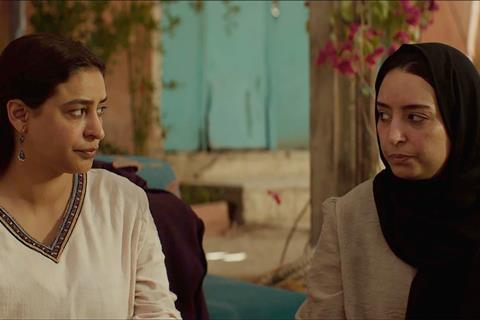
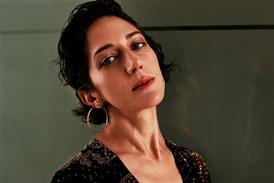
Sara Ishaq’s The Station is a story of female emancipation and identity. Why was this suitable for your opening?
The Station embodies the spirit of cinema we believe in at Doha Film Institute – stories rarely heard that cross borders and remind us of our shared humanity. Sara Ishaq has created a film of extraordinary courage and tenderness, transforming a story rooted in Yemen into one that speaks to audiences everywhere. We are especially proud to have supported the film in its journey [through DFI funding].
How many film submissions did you receive for this year? Was it an increase on last year?
We received over 1700 submissions from filmmakers across the world, reflecting the growing international recognition of Doha Film Festival as a destination for distinctive independent storytelling. The programme presents 104 films from 60 countries with an extraordinary breadth of perspectives and cinematic experiences.
Tell us about the Side Quest game. How did that come about?
Side Quest came from a simple idea: what if the festival began before audiences even entered a cinema? We wanted to create a playful, interactive way for people to discover Doha Film Festival, explore the city and engage with this year’s programme. It is another way of removing barriers between cinema and everyday life – particularly for younger audiences – and making the festival a more interactive experience.
What is new at this year’s festival for attendees to enjoy?
DFF 2026 introduces Cinema Al Khaleej and DFF Classics sections to the programme, designed to bring more people together to celebrate the diversity and rich history of film. We have entered into new partnerships with Film Committee at Media City Qatar and Screen International to host Arab Rising Stars at the festival; and the International Federation of Film Critics to present a Fipresci prize.
One particularly exciting addition is our collaboration with Hamad International Airport, to launch Made in Qatar screenings pre-festival in a beautiful screening space at Concourse D.
We have also introduced a festival and industry accreditation programme inviting audiences to make the festival their own. We are continuing to build a festival that belongs to Doha but speaks to the world – one that champions new voices, nurtures talent and celebrate Qatar as a global meeting point for cinema and culture.






No comments yet