















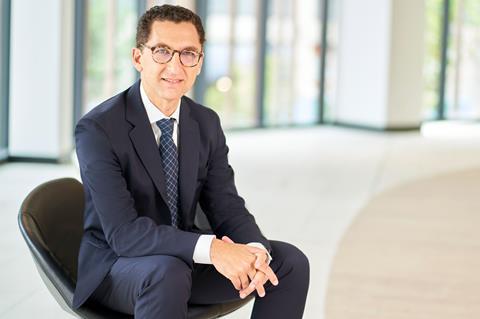
Controversy is raging in France’s film industry after the CEO of Canal+, Maxime Saada, said the media giant would no longer work with the hundreds of signatories of an open letter criticising shareholder Vincent Bollore’s increasingly tight grip on the industry.
Since 2024, Canal+ has been listed on the London Stock Exchange, and Bollore is the company’s main shareholder with around 30% of the capital.
Bollore’s media empire also includes French news channel CNews, which has been accused of providing a platform for far-right opinions.
Saada said on Sunday (May 17) during a producers’ brunch at the Cannes Film Festival that he “viewed this petition as an injustice towards the Canal teams who are committed to defending the independence of Canal+, and the full diversity of its programming choices”.
He added: ”Consequently, I will no longer work with, nor do I wish Canal+ to work with, the people who signed this petition.”
The anti-Bolloré open letter was published in the Liberation newspaper on the eve of the Cannes Film Festival. It was signed by 600 film industry professionals, including Juliette Binoche, filmmakers and actors such as Arthur Harari, Bertrand Mandico, and Swann Arlaud.
“By leaving the French film industry in the hands of a far-right boss, we risk not only the standardisation of films, but a fascist takeover of the collective imagination,” they stated. They cited fears Bollore would be “in a position to control the entire film production chain, from financing to distribution on both the small and big screen” once the company takes control of UGC, France’s third-largest cinema chain, from 2028.
Signatories suggested Bollore is pushing “a right-wing, reactionary agenda” in France.
Saada doubled down, saying, “I don’t want to work with people who call us crypto-fascists” and added, “I’m tired of explaining that Canal+ supports all forms of cinema and diversity, and that films like Souleymane’s Story would never have been made without Canal+.
CNC president Gaetan Bruel said during a morning segment on French radio France Inter called for calm on both sides, arguing in favour of freedom of expression, saying “the right to criticise is part of that fundamental principle.” He also added that it is “factually incorrect to say that Canal has given up on supporting the full diversity of cinema”.
At the festival’s press conference for Jeanne Herry’s Garance, veteran French producer Alain Attal addressed the uproar, calling Saada’s response “an impetuous reaction which was not justified in any manner”.






No comments yet