













France’s leading film producer and director guilds have called on the French government to abandon planned cuts to public broadcaster France Télévisions, warning they would deal a “devastating” blow to French film and TV production.
In a joint statement titled ’Bleeding public broadcasting: the shame of the Republic,’ the ARP (which represents film writers, directors and producers), directors’ guild SRF and producers’ unions UPC and SPI responded to a Friday interview in Le Monde in which France Télévisions president Delphine Ernotte Cunci outlined the scale of the looming cuts.
State funding for French public broadcasting is set to fall by €47m in 2027, while a combination of reduced funding and an expected decline in advertising revenue would leave France Télévisions needing to find €90m in savings.
The organisations said the measures could result in a projected 20% drop in France Télévisions’ investment in film production in a single year, describing it as “a major blow to creative output and a serious loss for audiences and citizens alike”.
They also criticised the contrast between the cuts and the government’s rhetoric around cultural sovereignty, pointing to President Emmanuel Macron’s Lumière Summit in Saint-Paul-de-Vence, where he met international entertainment industry executives “with great fanfare” on September 7.
“It is unacceptable that paid US platforms could tomorrow become among the leading financiers of French cinema,” the statement said. “Audiovisual and film creation is a strategic asset for France, and our government, with this financial decision, is demonstrating that it fails to grasp the gravity of the situation. Worse still, it is attacking a common good of the French people and the production of our collective narratives.”
Ernotte Cunci sounded a similar warning in Le Monde. “What is taking shape is a future in which foreign platforms will make the largest investments in French production,” she said. “Do we really want this kind of dependence? A future in which French series and films are commissioned, financed, cast, written and conceived by American or Chinese groups?”
The ARP, UPC, SPI and SRF called on the government to immediately withdraw the planned reduction and urged Macron to ensure the state budget reflects the commitments to cultural sovereignty made at the Lumière Summit.
“Heartbreaking”

Speaking at the Festival de la Fiction in La Rochelle last weekend, Ernotte Cunci described the prospect of cutting programming investment as “heartbreaking”. She said the broadcaster had lost €600m in revenue over the past decade as it has been squeezed between declining public funding and a structural downturn in the advertising market.
France Télévisions executives also detailed how the new budget constraints are already reshaping the broadcaster’s fiction strategy. Manuel Alduy, France Télévisions’ head of cinema and international fiction, said the group had dropped some projects in development, rethought domestic and international financing partnerships, reduced episode orders and embraced shorter formats.
“We have to learn to do better with less – much less,” he said.
The financial pressure has also prompted industrial action at France Télévisions. The broadcaster’s National Union of Journalists (SNJ) has called on staff journalists to strike on Wednesday (September 23) with a protest planned outside the culture ministry in Paris.
“The government’s budget announcements for 2027 are catastrophic,” the union said, warning they could lead to further job cuts, greater employment insecurity and a lasting weakening of public broadcasting.
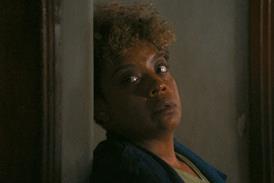
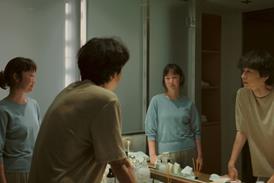
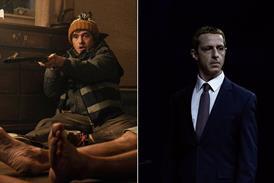
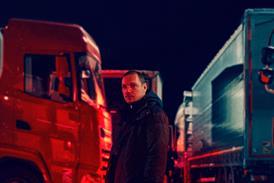
The funding squeeze could also further tighten financing for French cinema. France Télévisions is the country’s leading free-to-air backer of film production, supporting more than 60 films annually, known for its significant role in financing first and second features. According to figures from the CNC, the group invested more than €60m in film production in 2025. It also invests in international co-productions, including Cannes 2026 Palme d’Or winner Fjord and Lukas Dhont’s Coward.




No comments yet