









After months of uncertainty and delays, the German coalition government has agreed to introduce an 8% statutory investment obligation on national and international streamers and VoD services to invest in German film and TV content.
The obligation could take effect as early as April if signed into law by the government by Easter.
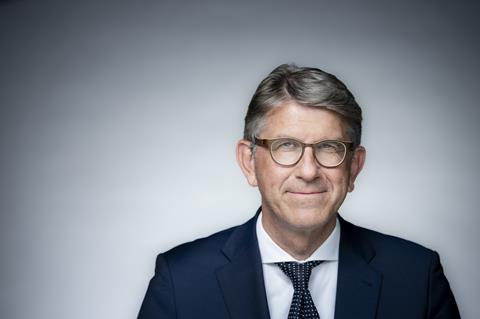
The aim is to create the “reliable, internationally competitive framework conditions” for Germany as a production hub, said culture minister Wolfram Weimer. The streaming obligation would provide “the basis for a new boom in film and series production made in Germany”.
Weimer had previously been promoting the option of a voluntary commitment for the streamers and other VoD services rather than legally binding regulations.
Having reached an agreement with its coalition partners on the investment obligation, the SPD-run federal finance ministry will now release the additional funds for the DFFF and GMPF production incentive programmes as a “film booster”, almost doubling the current overall annual budgets of around €133m to € 250m from this year.
“This is not a symbolic gesture, but a real investment package: for jobs, value creation and creative excellence,” said Weimer. “Germany has outstanding talent in screenwriting, directing, cinematography, editing and production. Now the conditions are right to keep this talent here and attract new productions to the country.”
The German Film Academy, producers’ associations and the technical facilities trade organisation have reacted positively to the agreement reached between the politicians. However, the trade groups representing local streamers Vaunet and Bitkom have described the agreement as “a bitter disappointment for the media industry, ignoring the commitments made by streaming providers”.
The German production sector has let out a collective sigh of relief that the politicians look to have come to an agreement just a week ahead of the Berlinale. Studios and producers can now go ahead and set up meetings with international partners to discuss projects that could come to shoot in Germany in the future.


No comments yet