












Intellectual property (IP) from video games is hot property in Hollywood thanks to the success of series such as HBO’s The Last Of Us, according to a talk at the Cannes UK Pavilion.
“There’s been a huge gold rush in LA. Agents have gone absolutely crazy since The Last Of Us and [Amazon series] Fallout,” said John Giwa-Amu, founder and producer of Wales-based Good Gate Media.
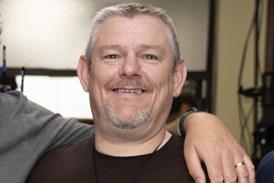
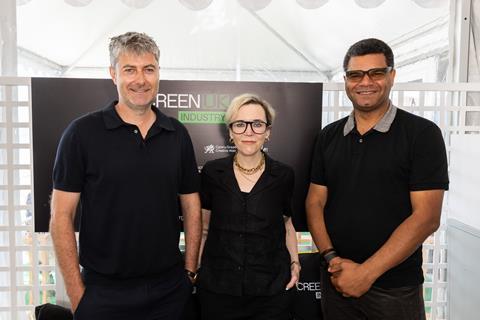
Giwa-Amu, whose credits include book adaptations H Is For Hawk and The Man In My Basement, was speaking alongside Chelsea Morgan Hoffman, producer at Ireland-UK outfit Element Pictures and Carthew Neal, producer at New Zealand’s Fumes and Piki Films, in a panel discussion on finding the right IP for cross-media adaptations that took place yesterday (March 18).
Investing in IP to target specific creative talent is a strategy that has helped Element Pictures to establish itself as a company. “When Element was growing itself, that was very much part of the strategy – if we can get this book, then that can get us in the room with this director, with this writer, because we know that they love it,” said Hoffman. “You can start to develop those relationships that way, but it is always cost-benefit analysis – we’re going to invest in this, but we hope something will grow from it.”
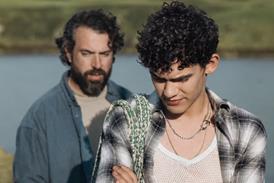
Element’s adaptations have included Un Certain Regard 2025 selection Pillion, from Adam Mars-Jones’ novel Box Hill, The Lost Children Of Tuam, based on a New York Times article, Poor Things, adapted from Alasdair Gray’s 1992 novel, and Room from Emma Donoghue’s Book.
Neal has produced book adaptations such as Taika Waititi’s JoJo Rabbit (from Christine Leunens’ Caging Skies) and Hunt For The Wilderpeople (from Barry Crump’s Wild Pork And Watercress). Chasing after high-profile IP is not part of his strategy: “We’re not in the position of chasing after properties that become available through agents. You feel like you’re entering into a race with a million sharks.”
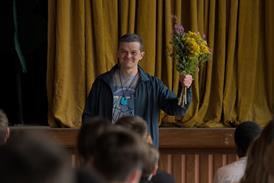
He has been experimenting with turning IP into a podcast as a way of working towards an end goal of an on-screen adaptation, as was the case with TV series Small Town Scandal, adapted from the true crime parody podcast of the same name from New Zealand satirist Tom Sainsbury. The podcast helped to monetise development for the TV show and to build up an audience for the show along the way.
“We’re mostly working in comedy. We had a stand-up performance that we really liked, which was based on a true story of a comedian,” he explained. “We developed it as a podcast, knowing we wanted to get it to television. This process, working with the same artist all the way through to get to TV, and using the podcast to launch us, has been a really great creative journey.”






No comments yet