Filmmaker Angelica Ruffier’s personal debut won Rotterdam’s Special Jury Prize

Dir: Angelica Ruffier. Sweden/Norway. 2026. 95mins
The grace, emotional connection and delicate charm of Swedish-French director Angelica Ruffier’s debut documentary is connected in no small measure with the very identifiable way in which a return to one’s past – prompted, in this case, by the death of a father – can unleash a search for what we were, and what we’ve become. The narrative that director/protagonist Angelica homes in on is a teenage crush she had on a high school history teacher in France, before she and her family moved back to her mother’s native Sweden.
An affecting account of a healing process
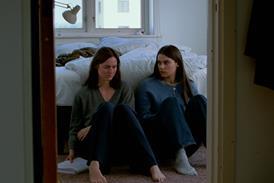
Slipping lithely between documentary and evocative romantic passages with a touch of Eric Rohmer, La Belle Année (’the beautiful year’) keeps its audience guessing. There’s a New Wave romance nestling in here somewhere and, as if sensing this, certain scenes fully embrace cinematic mythmaking. Others are almost home-movie in style, as Angelica and her brother chat while sorting through unopened letters and piles of stuff in the house they have inherited.
The tension of this set-up is nicely captured by Leo Svensson Sander’s spare, sometimes jagged piano, clarinet and cello score, and goes to the heart of La Belle Année’s subcutaneous appeal. It’s never easy to sell an unclassifiable hybrid like this, but Rotterdam’s Special Jury Prize is a good first waymarker for what promises to be a long festival run, and adventurous distributors serving adventurous audiences should also to take a look.
Told differently, this could have been just another ‘misery memoir’, but the trauma Angelica and her brother Tom suffered at the hands of a volatile and often aggressive father is concentrated here in a few brief fragments of family videos and audio recordings. The film opens with the father’s funeral in 2021 and, while the mix of grief and anger is palpable, La Belle Année is honest about the way in which such turning points can bring freedom, release, and the chance to reassess the past.
For Angelica, this process involves one of those familiar house-clearing hurdles – becoming absorbed in the confessional diaries she wrote as a high school student. We watch her read passages from these notebooks with their neat handwriting and cute illustrations, while her words arrive in voice-over, and it’s as if we’re discovering them with her. There’s an utter lack of self-consciousness here, well-captured by Simon Averim Markstrom’s intimate handheld camerawork.
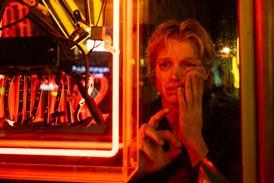
Gradually, the main strand is teased out: the teenage Angelica’s all-absorbing crush on a new high-school history teacher whose name – Mademoiselle Bresson – could hardly be more cinematic. As the adult Angelica reflects on the way she charted every move of this “gentle, lively, intelligent” woman with her “elegance straight out of the 1930s” we see a process of self-definition in action. It’s one that she recreates in the film’s present, with a visit to the cinema to see Harry Kummel’s cult queer classic Daughters of Darkness, in which Delphine Seyrig played a vampiric Hungarian countess. In a Cyndi Sherman moment, Angelica puts on a similar spangly silver dress and imagines herself as the star of an erotically-charged tableau inspired by the film. This flight of fancy is the trigger that allows Angelica to reground herself, reconnect with her brother and old neighbourhood friends, and finally pluck up the courage to contact Miss Bresson.
There will be another death before the film ends, but La Belle Année celebration of simple pleasures – picking cherries, picking olives, a village Halloween party – makes it such an affecting account of a healing process. Angelica’s easy, affectionate rapport with her brother is the film’s emotional bedrock; the way in which they dart between French and Swedish while talking to each other feeds into this warm and nimble film’s embrace of change and flux as part of the human condition.
Production companies: MDEMC
International sales: Odd Slice Films info@oddslicefilms.com
Producers: Marta Dauliute, Brynhildur Thorarinsdottir
Editing: Anna Eborn
Cinematography: Simon Averim Markstrom
Music: Leo Svensson Sander
Main cast: Angelica Ruffier, Tom Ruffier, Henrik Ruffier, Sylvie Bresson