








Yemeni-Scottish filmmaker Sara Ishaq’s debut bows in Cannes Critics’ Week
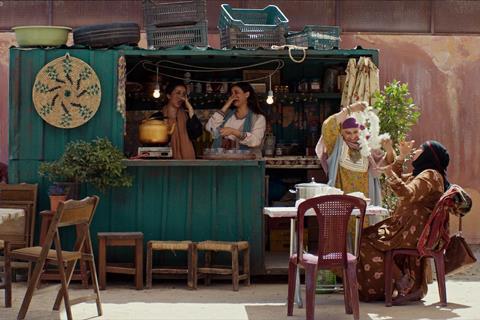
Dir: Sara Ishaq. Yemen/Jordan/France/Germany/The Netherlands/Norway/Qatar. 2026. 112mins
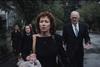
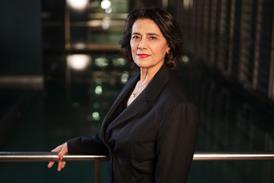
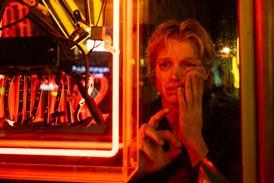
A fictional tale based on real events, Yemen-set drama The Station proves a moving, sobering study of the impact of civil war on both country and individual. Yemini-Scottish filmmaker Sara Ishaq’s film does, however, also contain a great deal of hope in its celebration of the strength of community – particularly sisterhood – in the face of extreme duress, via the experiences of those who congregate at a women-only gas station. And while its heavy-handed ending may belabour its point somewhat, the film’s timely, resonant message of solidarity rings true.
Performances from the largely non-professional cast are balanced and well-choreographed
The Station is Ishaq’s debut feature following her 2013 biographical documentary debut The Mulberry House, and shorts including the 2012 Oscar-nominated Karama Has No Walls. Like those works, this feature is born from the filmmaker’s attempts to better understand her homeland; here, she reckons with the civil war that has been raging there since Houthi forces overthrew the government in 2014. She also draws influence from her own experiences in Yemen’s capital city, Sana’a. This personal connection to the material is evident in Ishaq’s sensitive, clear-eyed approach, which, together with strong performances from its female ensemble cast, should make this a title of interest for further festivals following its Cannes Critics’ Week debut. It could also pique the interest of distributors looking for authentic global human drama.
Another of the film’s strengths lies in the way in which it captures an alternative view of conflict, honing in on those who may linger on the sidelines but are nevertheless impacted in profound ways. One of those is Yemeni woman Layal (Manal Al-Mulaiki), who has already lost her older brother to the war and is determined to keep her 12-year-old sibling Latih (Rashad Alrajeh) out of harm’s way. She keeps him confined to the female-only gas station she runs, from which she supplies precious fuel to the local women.
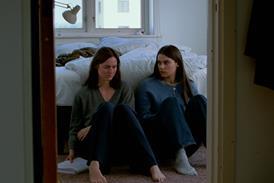
This gated compound, with its sign proclaiming ‘no men, no weapons, no politics’, is something of an oasis in this dusty, hostile landscape (the film shot in Jordan). With the men away on the frontline, here the women can safely congregate, remove their head coverings, smoke, drink and barter illicit substances – silky lingerie, make-up, ‘old curriculum’ school books, contraceptives. It’s a safe space lit with warmth and given a vivid, cluttered, lived-in aesthetic from cinematographer Amine Berrada. There’s a real sense of the rest of the world fading away when these women are together, finding an escape in raucous chat and laughter.
Helped by Tessa Rose Jackson and Darius Timmer’s heady score punctuated by harmonising female voices and defiant handclaps, Ishaq draws the viewer into this clandestine conclave. Performances from the largely non-professional cast are balanced and well-choreographed – aside from Layal, the de facto ringleader of the group, none of the women overshadow the others. All are clearly damaged by the experiences of constant conflict, but are nevertheless able to find pockets of joy and camaraderie that chase the shadows away, if only for a moment.
Yet Latih’s furtive glimpses over the wall and the insidious sound of gunfire, explosions and aircraft are reminders that danger lies not too far away. Visits from hard-line traditional female bureaucrat Um Abdallah (Shorooq Mohammed), who threatens to report Layal’s activities, highlight the fact that not all women are equipped to be allies. Sequences in which the women furtively hide their contraband and replace them with prayer books and linens are played with a lightness of touch, but speak volumes about the lack of agency they have in their own lives.
Latih is also bullied for being surrounded by women, and is keen to serve his country, able to understand the propagandic myth of heroic martyrs more than he can the grief that has fractured his family. And when Layal’s older sister Shams (Abeer Mohammaed) – a member of the rival faction to the one that controls the village – arrives with adolescent male chaperone Ahmad (Saleh Al-marshahi), himself only a year older than Latih, things begin to spin out of control. And Layal comes to the difficult realisation that survival – and true freedom - may lie outside the walls.
Production companies: Screen Project (a Ta Films Company), Georges Films
International sales: Paradise City sales@paradisecity-films.com
Producer: Nadia Eliewat
Screenwriters: Sara Ishaq, Nadia Eliewat
Cinematography: Amine Berrada
Production design: Nasser Zoubi
Editing: Romain Namura
Music: Tessa Ross Jackson, Darius Timmer
Main cast: Manal Al-Mulaiki, Abeer Mohammed, Rashad Khaled, Saleh Al-marshahi