




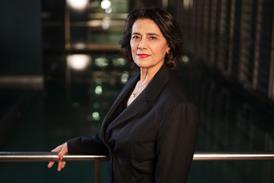




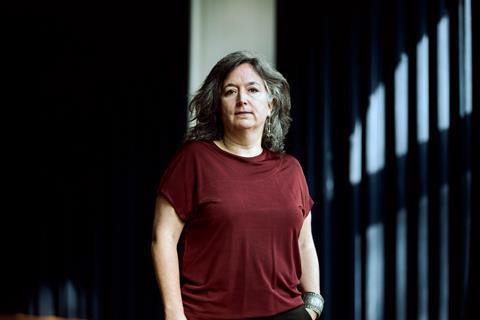
The International Documentary Film Festival Amsterdam (IDFA, November 13-23) artistic director Isabel Arrate Fernandez took up the reins at the festival on July 1. But she knows the organisation inside out, having spent more than 20 years in charge of the IDFA Bertha Fund and overseeing the filmmaker support department.
Arrate Fernandez comes into the job at a delicate moment, when the documentary sector is facing financial struggles and film festivals are proving to be lightning rods for debates about free speech and the rise of authoritarianism in Western society.
She talks to Screen about who is and isn’t welcome at the festival, trying to persuade Alexander Rodnyansky not to withdraw his film, and the habit she does not want to inherit from her predecessors.
What is IDFA’s role in a busy roster of autumn documentary film festivals?
There are different platforms for all the films being produced. One festival cannot handle that. The essence [of IDFA] is in bringing people together because the time the documentary film community is going through is not easy. Financing is being cut, there’s the rise of the extreme right [in politics], which relates to changes in freedom of movement and freedom of speech. Bringing all these people together where they can deal with all these issues is crucial.
How have you innovated the festival for your first edition as director?
People generally see artistic directors as one person putting their stamp on something. That’s not how I approach this job. In a few years, when you look back on my time as director, you’ll be able to see that stamp but that’s not where I start from.
One move you have made is to turn down the accreditation requests of Israeli organisations that have received state support. Please tell us how and why you came to that decision.
As a festival, we’re dealing with filmmakers who sometimes work in very complicated circumstances in relation to freedom of movement and speech. At the same time, we are approached by governments of countries where freedom of speech is not respected, who want to come with an official delegation or send their institutions. For example, Iranian officials or state press want to cover the festival [at the same time that we] are also receiving [submissions of films from Iranian] filmmakers who’ve had to keep their film under the radar.
After years of dealing with this internally, we decided to be transparent this year [and created a] document [called] Principles and Guidelines where we set this out. We tried to create a framework that people can understand, using the Freedom of Speech list made by Reporters Without Borders as a framework.
We welcome filmmakers and film professionals as individuals from all countries. With organisations that receive state support, we decided, in the case of Israel, seeing the situation in Gaza and Palestine, that it’s a line where we say no. You’re welcome as a filmmaker or film professional, but we will not accredit you as a member of a [state-backed] organisation.
How do you respond to Alexander Rodnyansky’s subsequent withdrawal from IDFA of his film Notes From A True Criminal?
Unfortunately, our Principles and Guidelines are being misunderstood. There is the assumption that we are rejecting individuals. We aren’t. They are welcome. We will not reject people because of who they work for or because of their opinion. We [contacted] Alexander, we explained our stance, hoping he would change his mind, but he decided to stick to his decision, which is, of course, his right.
It is interesting you have chosen to open with three short films, As I Lay Dying, Intersecting Memory, and Happiness. Why did you choose to do this?
The opening of a festival is a very special moment to generate specific attention for a film. Doing that once for short films is, as far as I am concerned, just as valid as doing it for a first-time filmmaker. This doesn’t mean IDFA is shifting to being a short film festival. It’s a choice that came out of the films and the narrative that they form together.
What have you taken from previous IDFA festival directors Ally Derks and Orwa Nyrabia? How have they influenced your approach?
One thing is for sure, I won’t end up smoking like they did! What I mostly take is to stay true to myself and do this on my terms and in my way just as they did.




No comments yet