









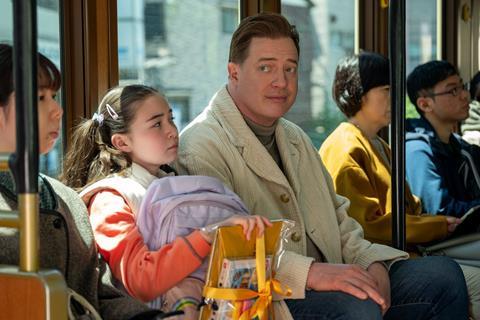
Japan is becoming a top destination for international shoots, with seasoned production staff, world-beating locations and an expanded incentive programme that gives film and TV projects increased flexibility.
The incentive, launched in 2023 following a pilot scheme, now has a two-year window, expanded from the previous one-year arrangement. This allows projects benefitting from the scheme — which offers a rebate of up to 50% on production costs — to take better advantage of the country’s four distinct seasons.
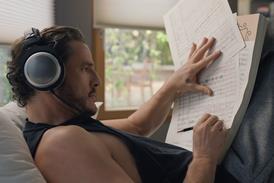
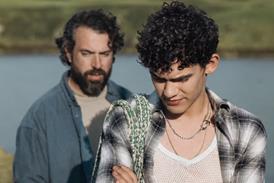
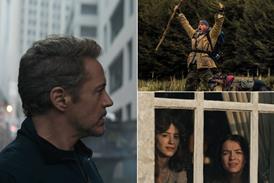
Features to benefit from the rebate in recent years include Benny Safdie’s sports biopic The Smashing Machine from A24, David Tomaszewski’s Yoroï from Cinéfrance Studios and Hikari’s Brendan Fraser-led Rental Family from Searchlight Pictures.
Incentive-driven TV productions include season two of Apple TV’s Monarch: Legacy Of Monsters, the upcoming adaptation of William Gibson’s Neuromancer from Skydance Television, Anonymous Content and Japan’s Wowow, and the second season of Drops Of God, also from Apple TV.
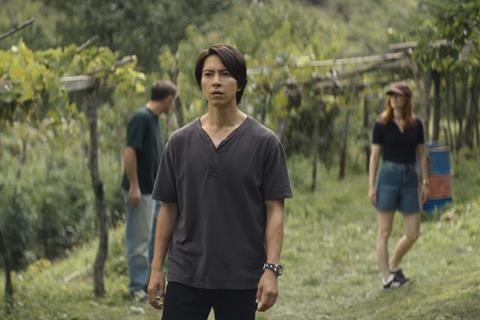
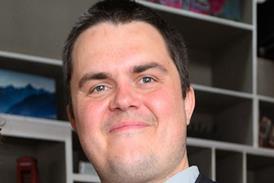
Shooting in Japan for both seasons of Drops Of God, based on a Japanese manga about sibling rivals aiming to inherit their late father’s vast wine collection, was “very positive”, says the show’s producer Klaus Zimmermann. “There is a high degree of professionalism and people are reliable. You know you’re getting what they promised you.”
Perfect partners
One key to shooting in Japan is finding local allies as co-production partners, especially because the incentive programme requires a Japanese production company to apply. While the number of bilingual industry members is on the rise, skilled interpreters are still essential.
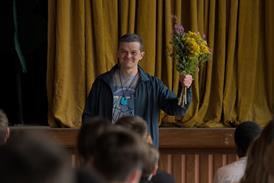
“Everything needs to be translated, which means every conversation takes a long time,” says Rental Family producer Eddie Vaisman. “We were lucky we had great translators and a crew that cared deeply about the movie.”
Japan’s domestic industry produces hundreds of films a year, meaning there is a deep pool of talent behind the camera.
“The work ethic is fantastic in Japan,” says Zimmermann. “Japanese people have a detailed way to approach production, and they like to be very precise, very foreseeable.”
Other potential allies come in the form of the national Japan Film Commission and regional commissions throughout the country, which can help productions secure locations and permits for outdoor shoots by liaising with police and local communities. Some commissions, including in Tokyo, have their own financial incentives such as scouting and shooting grants.
Tokyo Film Commission was instrumental in co-ordinating with officials in the city’s Kagurazaka neighbourhood, which moved its annual Halloween parade to March in order to accommodate Rental Family’s shooting schedule.
Occasionally a whole community is willing to get involved. “One day, we showed up and a group of grandmas that live on the island made us an authentic Japanese lunch,” says Vaisman of the time Rental Family spent filming in the rural Amakusa islands in the south of the country. “It was the best meal we’d had in weeks.”
Producers emphasise adapting to Japanese production methods rather than trying to force their own style.
“You can do it the European or American way, but it will be tougher and have a high cost,” says Zimmermann. “We found a middle ground. What is very important is to keep the communication open and to listen to each other.”
Vaisman adds: “We have made films all over the world, and this felt like a very different type of experience.”
One such contrast was the lack of signed location agreements, meaning it was important to have a backup plan in case the owner of a location reneged with little notice.
“It’s not better or worse, but different. You have to learn to evolve within that way of filmmaking and how communication works,” says Vaisman.
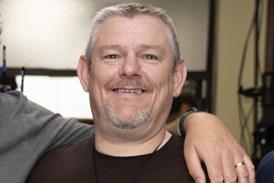
“Many American producers have a mindset that most problems can be solved with money,” notes Rental Family producer Julia Lebedev. “But money doesn’t solve everything there. In Japan, it’s more about respect and honouring what you said is going to happen.
“Sometimes the answer is no, and money is not going to change the answer, because it’s not the top priority for people for certain things.”






No comments yet