

















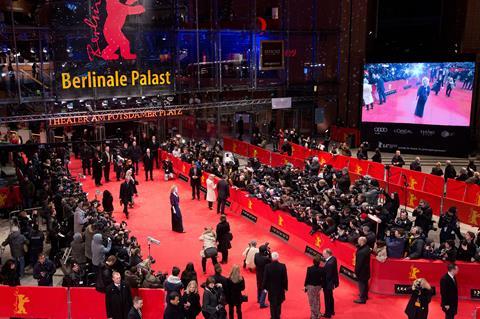
The Berlinale could potentially face “serious budget cuts” in 2027 and 2028, according to festival director Tricia Tuttle, ahead of her second edition, which will run from February 12 to 22 this year.
Speaking to members of the Berlin Senate’s committee for Federal and European Affairs, Media at a hearing lasting over two hours about preparations for the Berlinale, Tuttle explained that while the festival was “lucky” to have a balanced budget for this year, “we will almost certainly have to think about cost-cutting in 2027 and 2028”.
“We are not sitting back and waiting for you to hand us money,” Tuttle told the Senate committee. “We are actively trying to bring on new sponsors and new partners and earn our own income, but the reality is that we will have a budget gap in 2027, which we will [also] have to solve long-term.”
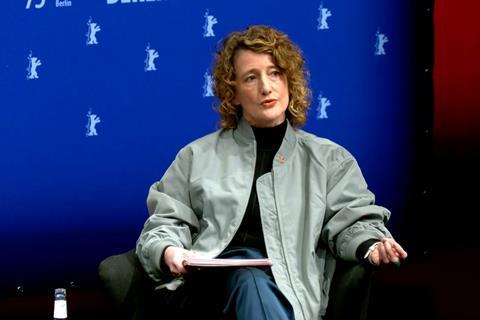
She explained more than a third of the Berlinale’s overall budget of around €33m is taken up annually by the staff costs of over €12m. This could rise depending on the level of pay increases decided as part of the TvöD collective agreement for federal and local government employees in Germany.
More than half of the festival’s employees, even if they are on six- or nine-month contracts, are paid according to the TVöD system and everyone who is paid as a supplier or a freelancer is paid at an equivalent rate.
Tuttle added that a large part of the €12m in staff costs was spent on paying for people to work overtime hours, noting, “There aren’t any other festivals that work like this. It’s unique that we pay so many people for the hours that they work and not just a flat rate that ends up being less than what people should be paid.”
This year has seen the Berlin senate provide €1m to the festival, while Wolfram Weimer, the state minister for culture and the media is supporting the 2026 edition with €11.9m in total.






No comments yet