




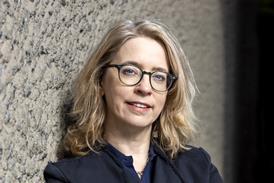






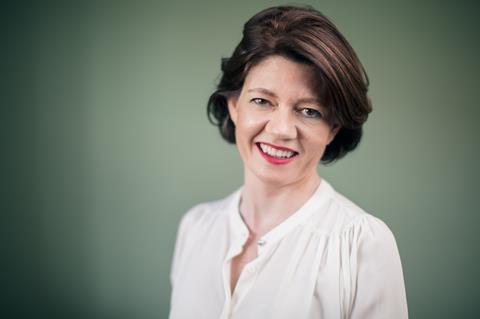
“Phew!” is how one UK producer expressed their relief following Isabel Davis’s appointment as director of the BFI Filmmaking Funds last week.
This sentiment seems to be reverberating throughout much of the UK independent producing community, impressed by what Davis has achieved in her eight years as Screen Scotland’s inaugural executive director. Davis takes up the BFI role in October, with current head Mia Bays leaving the same month after her five-year contract ends.
“Isabel has done a tremendous job leading Screen Scotland, creating the conditions in which we can all do our best work,” said John Archer of Glasgow-based Hopscotch Films. “She has elevated Screen Scotland to being a serious player, looking towards being an independent agency, separate from Creative Scotland.
“She has trusted her editorial team to make their decisions. Five films from Scotland in Sundance this year speaks volumes.”
“She’ll be so missed, but equally I believe that she’ll make a huge success of her new post and is one of the most impressive operators in the public sector,” added Gillian Berrie of Glasgow-based Sigma Films. “She’s incredibly capable, diplomatic, knowledgeable and talented.”
Screen Scotland has an annual budget of around £20m – in line with the budget of the BFI Filmmaking Funds – to support development, production and training in Scotland’s film and TV sectors. During Davis’s tenure, the Scottish screen industry rose from being worth £627m per year to the Scottish economy in 2021 to £718m in 2023, and the funder says it is on track to reach a target of £1bn by 2031.
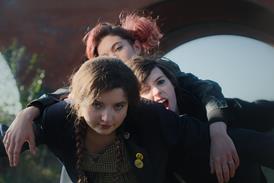
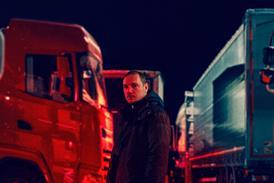
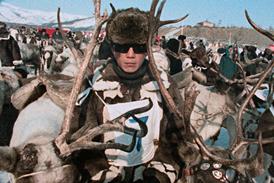
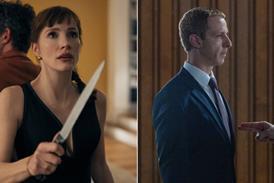
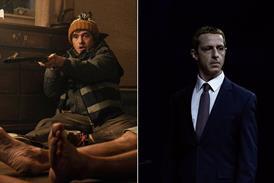
Five Screen Scotland-backed films world premiered at Sundance this year: Lady, Birds Of War, Everybody To Kenmure Street, The Incomer and The Story Of Documentary Film, while Sunny Dancer, Douglas Gordon By Douglas Gordon and BBC series Mint world premiered at the Berlinale.
The Scottish National Party (SNP)’s 2026 election manifesto pledged to bolster its support for Screen Scotland, separating it out from the overarching culture funding body Creative Scotland, with increased funding for Screen Scotland. SNP is the leading political party in the Scottish parliament.
Sixteen Films’ Jack Thomas-O’Brien said of Davis’s appointment: “She has a brilliant energy and will be getting out there and fighting for the films.”
”I crossed paths with Isabel when she was head of international at the BFI circa 2012, when I was producing The Selfish Giant,” recalled Moonspun Films’ Tracy O’Riordan. ”She is professionally respected, wise, warm and supportive and on one specific occasion she went completely out of her way to help me out, when I was in a tailspin juggling a production and a young family. Independent production can be such a struggle, so when someone helps, it’s not something you forget.”
“If Isabel is there for the next five years, and every project I submit is rejected, I will feel okay,” reflected one producer. “I will trust her to have given it a fair, measured, as non-subjective as these decisions can be, greater-good kind of analysis. I trust in the person who is shepherding those decisions.”
“I think she is a very strong appointment,” added another UK producer. “I feel she will be pragmatic and have an eye on the commercial, which is intrinsic for the survival of the independent sector, and understand the importance of the regions.”
“You’re a bureaucrat – not a producer”
Davis will be running a team of around 19 at the BFI Filmmaking Funds with a budget of £20m per year of National Lottery funding. Key figures who will report into Davis at the fund include senior production and development executives Louise Ortega and Ama Ampadu, plus senior executive for sales and distribution Vicki Brown.
Several producers Screen spoke to at the start of the recruitment process expressed preference for someone to take on the role with lived experience as an independent producer who understands the daily struggles.
There was also concern that the public funds were getting “dangerously circular” with executives oscillating between the BFI, BBC Film, Film4 and the regional funds. Davis is, undeniably, a seasoned public fund executive and not an in-the-trenches producer. Before joining Screen Scotland, she was BFI’s head of international from 2012-18, and worked at the UK Film Council from 2006.
“A very predictable choice and sadly the same rotation pattern; now let’s see who fills their role in Screen Scotland,” reflected one producer who was less enthusiastic about the appointment. “It would have been great to have a fresh voice and perspective.”
However, there is hope among many that Davis will bring the political savvy needed to navigate a job in a publicly funded institution, and will lean towards shepherding a more editorially hands-off fund.
“[She] is more from the public funding side, which I’m sure will come in useful to deal with the politics of the BFI,” said one producer. “I know a lot of the producer community hoped for someone with direct experience of the challenges of making films, but [we are] just hoping for the best right now, that there will be some meaningful changes.”
“That’s the job, you’re a bureaucrat – you’re not a producer,” noted another producer. “You end up being a tastemaker, but I don’t think that should be your motivation. You will be a tastemaker by your judgement, but that should be based on how you interpret what the world needs, not just what you want to make or who you want to work with.”
Additional reporting by Ben Dalton.



No comments yet