



The film plays Visions du Reel after a Sundance premiere and Berlin Panorama berth
Dirs: Efraín Mojica, Rebecca Zweig. Mexico/USA/France. 2026. 70mins
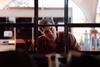
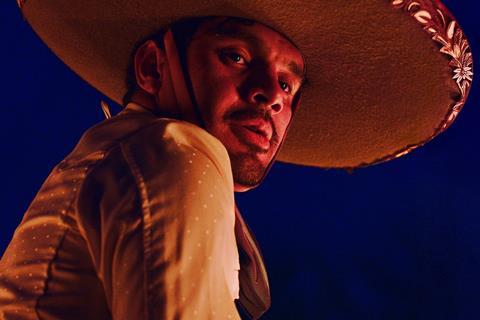
The rodeos (or ‘jaripeos’) of Michoacán State, in rural central Mexico, run on tequila and testosterone; a macho performance of hyper-masculinity, with a generous helping of hedonism and Catholic conservatism thrown in for good measure. But look beneath the surface and there’s another story. Filmmaker Efraín Mojica, who grew up partly in the region, returns to the Michoacán rodeo circuit to explore the queer subculture of the jaripeo, and how this world shaped their own identity and sexuality. It’s a heady, sensual piece of filmmaking that vividly captures the covert erotic charge between the swaggering rancheros.
A heady, sensual piece of filmmaking
It’s an impressive, inventive debut documentary feature from Mojica, a photographer, filmmaker, and multidisciplinary artist, and co-director Rebecca Zweig, a writer, poet and filmmaker. The film’s distinctive, lyrical approach and richly realised sense of place and atmosphere has made it a title of considerable interest with festival programmers. It screens in Visions Du Réel following a world premiere in Sundance, an international premiere in Berlin’s Panorama and a healthy run at documentary and LGBTQ+ themed festivals. Going forward, the film could find a home with a specialist distributor or curated streaming platform.
Interviewed at the wheel of a Toyota pick-up truck, parked with a view of the Michoacán countryside to make the heart swell, Mojica recalls their first childhood experience of the Christmas jaripeo, in their hometown of Penjamillo. It was a family affair. They got there early with relatives to reserve seats for their parents. But Mojica’s first impression was boredom, of sitting for hours in the baking sun. As a queer teenager, however, Mojica started to see more layers to the rodeo and a homo-erotic tension beneath the machismo.
It’s here that the impressionistic filmmaking comes into its own. As Mojica describes the thrill of noticing the covert intimacies between the cowboys, the camera and the pulse-racing editing capture that same excitement. Shots of denim, studded leather belts, of toned, tanned arms brushing against each other, of men flinging back their heads to swig from a bottle of tequila – it all takes on an electric charge as the editing cuts hungrily to each new shot. There’s a point at which it is sped up into a wild whirl of sensations.
The result is a dizzying sensory overload which evokes, with a visceral intensity, Mojica’s own sexual awakening in the dust and debauchery of the jaripeo. The use of Super-8 footage, shot by Mojica, adds a pleasingly frayed and lived-in collage texture to some of the film’s visuals – the cinema equivalent of a patched, well-worn, much-loved pair of jeans.
In this journey of self-discovery, Mojica connects with burly ranchero Noé, an ultra-masculine gay man with one cowboy boot still in the closet – he is out to his parents but he is discreet, his sexuality not something he talks about openly. He is, he says, only gay at night. Joseph, on the other hand, makes no secret of his sexuality: his elaborate manicure and mastery of facial contouring announce his queerness even before he does. Joseph, who came out in a frock at a belated quinceañera party, is the den mother of a tight-knit queer community and an avid fan of the spectacle and danger of the Jaripeos. But even Joseph, who relishes blurring the lines of gender, has been shaped by the rigidly masculine ideal of rodeo culture – he’s only attracted to ‘straight’ men, he says.
This is a highly personal work, a documentary of rare intimacy which manages to capture the intangible: it fleshes out formative memories, brings fantasy to life and shows us a shimmering, sensual subculture beneath the sweat and dust.
Production company: Jaripeo Documentary LLC, ITVS International, Survivance, Fiasco
International sales: Indox luke@indoxfilms.com
Producer: Sarah Strunin
Screenplay: Efraín Mojica, Analía Goethals, Rebecca Zweig
Cinematography: Josué Eber Morales, Gerardo Guerra
Editing: Analía Goethals
Music: Emilia Ezeta, Marton Móra