













Ivo M Ferriera’s knowing, nostalgic feature bows in Rotterdam’s Big Screen Competition
Dir: Ivo M. Ferreira. Portugal/Luxembourg. 2026. 140mins
The link between cinema and revolution goes deep. Gillo Pontecorvo’s The Battle of Algiers was used as a training manual by groups that included the Black Panthers and the IRA. It was a Margherita von Trotta film that supplied the name for ’The Years of Lead’ – Italy’s turbulent Red Brigade era. But the feedback loop goes the other way too. Ivo M. Ferreira tasty, sexy headlong gallop through the trajectory of a Portuguese terrorist cell of the 1980s is as self-aware as One Battle After Another in the way it draws cinematic energy from the blend of romance, jeopardy, frustration, treachery and buffoonery that is inherent in the life of a clandestine operative.
Embeds explanation in action
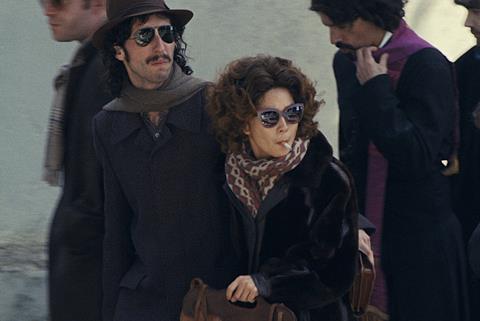
Projecto Global – taken from the name of the umbrella organisation behind terrorist cell FP-25 – juggles a very filmic brand of nostalgia with a kind of wary fascination as it charts, from a distance of four decades, the passion and pointlessness of an armed struggle that was looked on with contempt by most of the Portuguese general public and media at the time. Asian Portuguese actress Jani Zhao is the film’s emotional core as passionaria rebel Rosa, and the edge of noirish glamour in her committed performance (which comes complete with wardrobe and wig changes in true femme fatale style) gives Ferreira’s film a knowing resonance. There are wisps of Wong Kar Wai and Jean-Pierre Melville in those clouds of cigarette smoke, but the film also takes real pleasure in other analogue period details – vinyl, rotary dial telephones, small cars with too many occupants.
Projecto Global’s audience appeal lies precisely in this disjunct between rebel romanticism and moments of chaos and human weakness, and could see it spark interest following its premiere in Rotterdam’s Big Screen Competition. The edgy blend is ably captured by Vasco Viana’s atmospheric photography and the sheer impetus of the edit. There are times when it all feels like a six hour miniseries that has been pruned down, but its ramshackle leaps suit the theme and mood of a film which never drags.
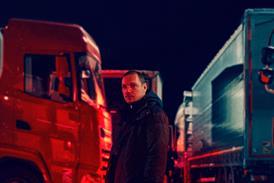
It’s also surprisingly exportable. After all, even younger Portuguese audiences may not know a huge amount about this footnote in their postwar history. Rather than engage in lengthy exegesis, the script, co-written by Ferreira and Helder Beja (director of the Doclisboa festival) embeds explanation in action – beginning with a moodily-lit opening night scene in Lisbon docks, featuring the sawn-off head from a statue of former dictator Antonio Salazar.
The decision to launch an armed far-left resistance group in 1980 was rooted, we learn, in the conviction that the liberal democracy installed in Portugal following the deposition of Salazar in 1974 was just a smokescreen for the exploitation of workers and the return of Fascism. But there’s an aura of fatalism embedded in the project from the get-go. The first of a handful of rousingly chaotic action set-pieces is a shoot-out in a cemetery. Later, we witness a secret ‘conclave’ held to hammer out a way forward for the Projecto Global organisation. All the delegates are hooded, and most are shouting. One brings up the issue of snitches – former members who have become police collaborators – and is told that “snitches are on the agenda after lunch”.
Leaving the conclave house, Rosa is suddenly alone in nature, wandering through a forest. It’s this balance of sometimes comic detail, fast-paced action and moments of existential gravitas that give Projecto Global its special flavour, one that is accompanied by an edgy sountrack of string instrument swarms and percussion clusters.
Production companies: O Som e a Furia, Tartantula
International sales: The Match Factory
Producers: Luís Urbano, Sandro Aguilar, Donato Rotunno
Screenplay: Ivo M. Ferreira, Helder Beja
Cinematography: Vasco Viana
Production design: Nuno Mello
Editing: Sandro Aguilar
Music: Nik Bohnenberger
Main cast: Jani Zhao, Rodrigo Tomas, Jose Pimentao, Isac Graca, Goncalo Waddington, Ivo Canelas