






There are shades of ’Anora’ in Lina Pinell’s feature debut, which premieres in Cannes Directors’ Fortnight
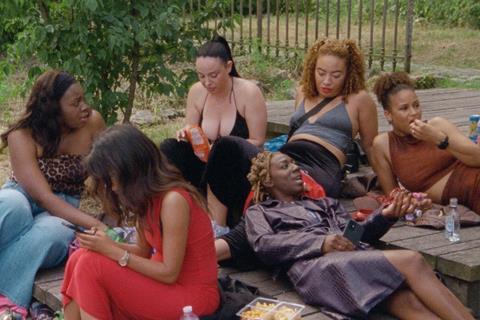
Dir: Lila Pinell. France, 2026, 80mins
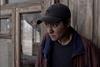
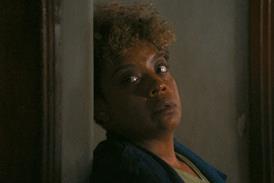
Twenty-something Shana (Eva Huault) is a firebrand. A French woman of Jewish and Arabic descent living in Paris, she is a larger-than-life presence, unafraid to speak her mind, whether within her tight group of friends or her not-so-close family. Yet when it comes to her imprisoned boyfriend Moses (Sékouba Doucouré) – a drug dealer, and, it transpires, domestic abuser – Shana is far less sure of herself. This textured, concise slice-of-life drama from first-time feature director Lila Pinell proves a colourful character study, fuelled almost entirely by a memorable performance from newcomer Eva Huault.
Textured, concise slice-of-life drama
That performance will be the major selling point for Shana following its premiere in Cannes Directors’ Fortnight; distributors looking for sharply authentic female stories should pay it some attention. It will help that the film has shades of Anora in its richly realised community and propulsive central character, although its very specific world view may limit its onward travel.
Pinell met then-10-year-old Huault in 2007, when she was filming a documentary at a children’s summer camp, and was immediately struck by her vivacious spirit. As with her 2021 short King David, which also starred Huault as a character called Shana, Pinell wisely focuses all of her debut feature’s attention on her lead actress, to the extent that some of the supporting characters can’t help but fade into the background. But that is the effect Shana has on those in her life; her serious main character energy comes across in her vibrant outfits, pouty lips, designer accessories and uncompromising attitude.
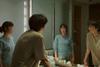
Shana exudes a take-no-prisoners brio, showcased during a meaty opening sequence which sees her storm out of a friend’s game night. Later, she doesn’t hold back from challenging her mother (Noémie Lvovsky) during a traditional Passover ceremony or in the hush of the upscale dress shop where her younger sister is choosing her Bat Mitzvah outfit. Shooting in evocatively gritty 16mm, cinematography from Victor Zebo is zippy, restless, and constantly in motion. Yet, underneath the whirlwind of anger, Huault keeps a tight hold on Shana’s vulnerability, the emotional damage she has endured thanks, in transpires, to a somewhat narcissistic mother who abandoned her as a young teen for a new relationship, and an aggressive boyfriend who keeps shifting the psychological goalposts.
Intriguingly, for a woman who seems indifferent to religious and cultural tradition, Shana invests a great deal in her late Moroccan grandmother’s gorgeous bird ring – the only thing saved from the older woman’s life before she moved to Paris – which is said to ward off evil spirits. This treasured amulet adds a hint of magical realism to a hyper-real film, thrown further off kilter by the thoughtful use of illustrations from a book about Moses that Shana used to be fixated on as a child. This link between the religious fables of her youth and her volatile present may be somewhat on the nose, but Pinell’s screenplay draws persuasive parallels between the two.
That ring – which, over the course of a week, Shana inherits, wears and then, in desperate need for cash, sells – proves to be something of a MacGuffin in Pinell’s keenly observed screenplay, as does a framing device which compares Shana’s tribulations to Biblical trials: plague (a druggy sock drawer full of maggots), pestilence (an unexplained rash).
This is a character rooted firmly in the here and now, her Arabic and Jewish identities being only part of the puzzle of this complex young woman. Shana is as much shaped by her friends, including bestie Ines (Ines Gherib), and the demands of contemporary urban life (the best clothes, the constant economic hustle, her pro-Palestinian liberal outlook) as she is by her heritage. The biting authenticity of the piece comes from the fact that, for all her trials, Shana simply wants what the rest of us want: a peaceful, settled life. You get the sense that if she burns bridges, which she seems to do with abandon, it may serve to light the path ahead.
Production companies: Ecce Films, CG Cinema
International sales: Losange Films sales@filmsdulosange.fr
Producers: Emmanuel Chaumet, Charles Gillibert
Cinematography: Victor Zebo
Production design: Laura Satge, Valentine Fell
Editing: Emma Augier, Jean-Christophe Hym
Main cast: Eva Huault, Noémie Lvovsky, Ines Gherib, Sékouba Doucouré