



Ana Urushadze’s follow-up to ’Scary Mother’ debuts in Rotterdam’s Tiger competition
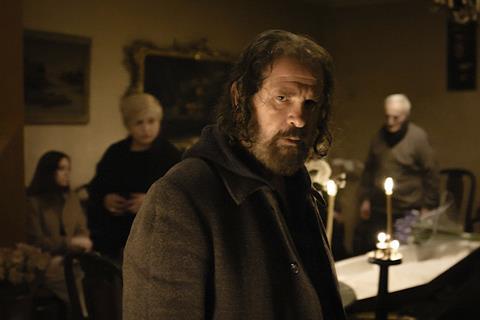
Dir/scr: Ana Urushadze. Georgia/Estonia/Turkey/Switzerland/USA. 2026. 140mins
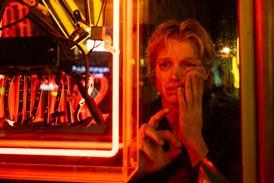
If you were to relocate Robert Altman’s The Player to an ancient Caucasian city and inject it with a dark sense of Black Sea fatalism, you might just end up with something like Supporting Role. Georgian writer-director Ana Urushadze’s dour, tragi-comic second feature charts a moral and existential lowpoint in the life of Niaz, an ageing wreck of an actor infused with magnificent, craggy desolation by Georgian star Dato Bakhtadze.
Will work best for audiences that surrender to its rhythm
Bakhtdaze is one of the few actors from the former Soviet republic to have made it in Hollywood, where he has been cast in films including Crash, Wanted and Extraction 2. But it’s not necessary to be familiar with Bakhtadze’s career to feel the resonance of a story that is essentially about life as one long performance – one that you’re not sure went particularly well.
Premiering in the main Tiger competition at Rotterdam, Urushadze’s second film – inspired apparently by an experience she had while casting her first, Scary Mother (2017) – comes with a challenging 140-minute running time. Essentially a dream journey, it will work best for audiences that surrender to its fluid rhythm, helped by a seductive cabaret-jazz soundtrack with a recurring hook by Estonian composer Sten Sheripov.
Early on, veteran actor Niaz is offended by being forced to attend a casting session for what he considers to be an insignificant bit part in a debut film. Worse still – as he will later tell a table of doting fans in a Tbilisi restaurant – is the fact that it’s written and directed by a young woman, a “tiny, weird creature with long eyelashes” who has “stuffed her whole short-life philosophy” into the outlandish plot.
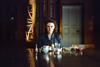
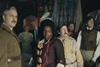
The film’s dominant image is Niaz walking, or rather shuffling. With his lank, straggly hair and long grey overcoat – in one pocket of which is the hand-drawn storyboard the first-time director gave him in lieu of a proper script – he trudges slowly through the rain-lashed streets of Tbilisi, up the steep, cavernous stairwell to his dowdy old apartment, over patches of wasteland, into and out of the lives of people from his past who he addresses with a mixture of doubt and alarm, as if they were ghosts. And perhaps they are. He never stays long in one place, he’s always leaving – at one point halfway through having false eyebrows applied by a make-up artist who seems to have once been his lover.
Time slips too. Around halfway in, both Niaz and the audience are surprised when he bumps into the young female director who offered him the role and discovers that ten days have passed since that casting session. We don’t even need a scene set among a group of people who meet to recount their dreams to know that the confused, dissociated actor is caught in one of those reveries you can’t wake up from, his only guide the storyboard that he keeps pulling out of his pocket and anxiously consulting.
A blue parrot, an actress with only half a face, an old aquaintance who has taken to portraying his artist friends as desserts, a strange Armenian duo who invite Niaz to one of Tbilisi’s famous sulphur-spring bathhouses – such incidents and symbols could easily turn absurd, or pretentious, in a Fellini-goes-to-Georgia kind of way. But Bakhtadze’s relatable performance as a man who is genuinely lost and confused, not least by the contrast between the hero roles he plays and the mess he’s made of his life, provides Supporting Role with its emotional anchor. Even the risky finale, when Niza meets up after a long absence with his neurodivergent son, is delicately handled.
Production companies: Zazafilms LLC, Allfilm, Enkeny Films, Zeynofilm, Cinetrain, Melograno Films
International sales: Allfilm allfilm@allfilm.ee
Producers: Davit Tsintsadze, Ivo Felt
Cinematography: Rein Kotov
Production design: Simon Machabel
Editing: Levan Uchaneishvili
Music: Sten Sheripov
Main cast: Dato Bakhtadze, Nata Murvanidze, Elene Maisuradze, Irakli Kvirikadze, Zurab Sturua, Eka Demetradze, Sandro Samkharadze, Nino Kasradze, Davit Dvalishvili, Lasha Mebuke, Murman Jinoria