















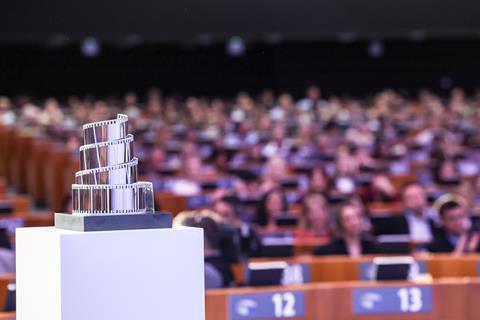
When the LUX Audience Award for a European film is presented at a special ceremony in the European Parliament’s iconic Hemicycle chamber in Brussels on April 14, it will mark the crowning moment for what is the largest audience film prize in the world.
The ceremony will mark the culmination of several months of free screenings of the five films across EU member states and Creative Europe member states. This year’s nominees are Jafar Panahi’s It Was Just An Accident, Brendan Canty’s Christy, Anna Cazenave Cambet’s Love Me Tender Eva Libertad’s Deaf and Joachim Trier’s Sentimental Value.
Each film illuminates various themes of youth and mental health, inclusiveness, and democracy.
The iconic Hemicycle, where the Parliament’s 719 MEPs hold debates and take votes, will be transformed for the evening, says European Parliament spokesperson Delphine Colard.
“There will be a red carpet, special lighting. It is, after all, a film award celebration,” Colard says.
The Hemicycle audience will bring together filmmakers, European policymakers and cinemagoers. There will also be live music reflecting the diversity of music culture from across the continent.
Selection
Presented by the European Parliament and the European Film Academy in partnership with the European Commission and Europa Cinemas, the five nominees were chosen by a panel of film professionals from across EU member states. Cinemagoers have been choosing their favourite and will account for 50% of the total vote. The votes of MEPs will comprise the rest.
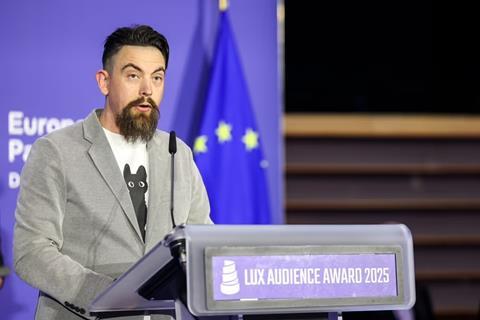
The ceremony will be live-streamed in 24 languages via the Parliament’s online platform. Representatives from the five nominations are expected in town to be part of the celebration.
There will also be a speech from the European Parliament’s first vice president, German MEP Sabine Verheyen, renowned as a passionate advocate of the region’s cultural and creative industries.
A guiding principle of the Lux Audience Award is to ensure European films are accessible to all, regardless of border or language.
“It’s about multilingualism and making sure that European culture can travel across the different states,” Colard explains.
To this end, the European Parliament has provided subtitles to the films in 24 EU languages, including, for the first time, subtitles for the deaf and hard of hearing.
The free-to-access screenings have taken place across all European Union member states since the nominees were unveiled in October 2025. Screenings have often been accompanied by live debates and discussions about the films and the issues they portray.
“The prize is the promotion of a European cinema in all its diversity that mirrors the values we are fighting for as European Union. Equality, diversity, democracy, inclusion,” Colard says. “It’s about the topics that are debated at a pan-European level.”
The award exists to foster dialogue and to engage people in politics. It is complemented by the Young Talent Programme, which works with young cinema professionals to celebrate European values and the entire concept of the LUX Audience Award project
Voting is open until April 12 with the aim of drawing in as wide an audience as possible to the screenings and events.
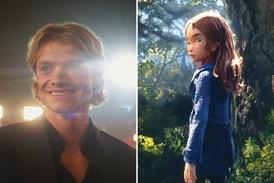
Last year’s winner was Gints Zilbalodis’s animated Latvian feature Flow, which was viewed by 90,000 audience members at 900 cinemas across Europe.
The aim is to break that record for 2026.




No comments yet