



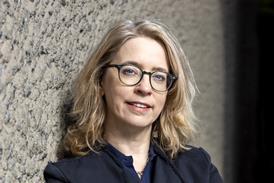



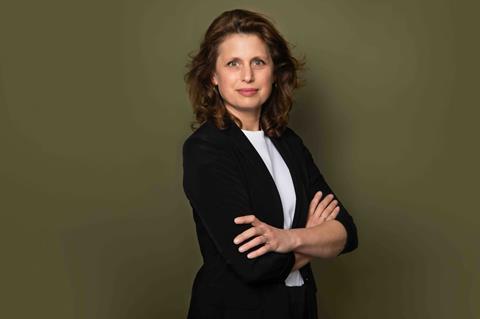
Iwana Chronis, who took over as CEO of the Netherlands Film Fund in May, is leading industry-wide efforts to create strategies to improve Dutch films’ ability to reach and appeal to audiences.
One of the steps the Fund is taking is supporting the second edition of Dutch film showcase NLWave, which opens today (September 30) and runs to October 2 in Utrecht.
“It’s a way of putting Dutch talent and Dutch stories on the radar of the international industry at an early stage,” says Chronis of the event.
Representatives from Sundance, Berlin, Palm Springs, Venice, Toronto and Hot Docs are in Utrecht alongside local and international sellers and buyers.
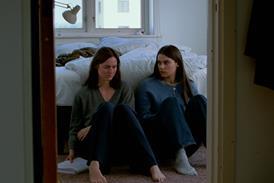
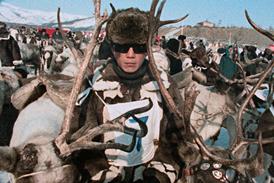
NLWave’s first edition saw films go on to make an international impact at festivals including in Venice (Al Baraneya in Giornate degli Autori), Toronto International Film Festival (In Alaska), and the Berlinale (Truly Naked).
It is hoped this international recognition will also boost the profile of Dutch films domestically. Over 540 films were released in Dutch cinemas last year, of which 84 were Dutch feature films and documentaries.
“The bar is set high for standing out,” says Chronis. “It’s a big but also interesting challenge. It’s a question for the entire sector.”
Chronis and her team are planning a closed-door symposium in November where the relevant industry players will “think outside the box” about how best to boost local market share.
“We are willing to look at what we are doing too in terms of the financing and the schemes that we have.”
Chronis promises flexibility from the Fund itself. “There are so many fantastic stories. They should be able to find their audience much better.”
Cinescoop
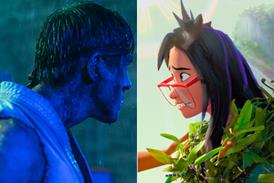
One strategy is to back bigger budget features through the Cinescoop scheme. This provides €1.8m each in selective funding for three or four projects a year. Nina Gantz’s animated feature Once Upon An Egg, a work in progress in NLWave, received Cinescoop backing, as did the 2025 thriller In Alaska.
“We will continue with this line of supporting fewer feature film projects but with more budget so that we can really upgrade a film’s production value and make sure it has enough time in terms of shooting days and development,” Chronis says.
Meanwhile, Caleidoscoop funding supports more independent, offbeat, lower-budget work. “This has evolved from our low -budget scheme, but it is now focused on artistic freedom in all kinds of ways.”
The aim is to provide up to 85% of a film’s budget, up to €650,000.
“That means you can quickly start producing; you don’t have to go through all sorts of co-financing structures to get the film made,” Chronis explains. “It is also to minimise the kinds of compromises that might come from long financing trajectories.”
The programme does not distinguish between documentary, fiction and animation or whether a film is a hybrid. The aim, in all cases, is simply to ensure “optimal” creative freedom.
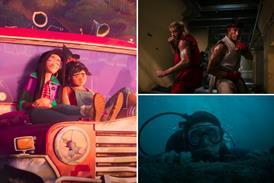
Several titles in NLWave this year have come through Caleidoscoop, including What Happened To My Country, What Happened To Me? by Myanmar Film Collective (ZINDOC), Little Lost Things by Robert-Jonathan Koeyers (Valk Producties) and Paradise Morbid by David-Jan Bronsgeest (Bloodrave).
“It’s an incredible time to be in this position because so much is changing and developing nationally and internationally,” says Chronis of the impact the Fund can have. “But it’s not only about me. It’s a collective of all these people with experience and expertise that, I hope, makes the Fund such a strong player.”
This year’s NLWave is presenting a strong selection of projects from both emerging and established talent, including Gantz, Steffen Haars and Ena Sendijarević. New work will be presented by seasoned directors with international reputations, including Suzanne Raes, Robert‑Jonathan Koeyers, Eché Janga and Renzo Martens.

No comments yet