



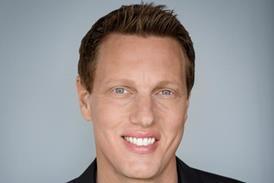




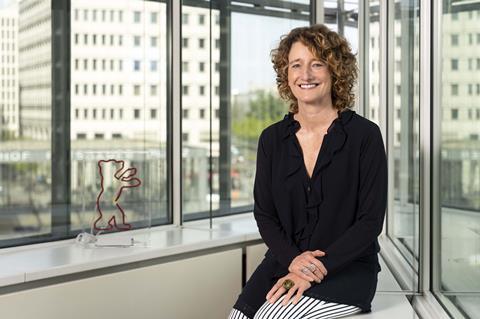
Tricia Tuttle, festival director of the Berlinale, emphasised the festival’s guiding principles of diversity and balance when she appeared before the German Bundestag’s Culture Committee last week.
In response to questions from committee members about diversity in this year’s programme, Tuttle said: “There are plenty of places for people to find the film that’s right for them. What’s so great about art is that we all disagree about what is good and what is bad.
“That’s why we really think a lot about providing entry points for different audiences as well as [looking at] how we can provide space for filmmakers who are working closer to the gallery end and those of big blockbuster mainstream audience films.”
“One of the things I have always loved about the Berlinale is that it has space for the breadth of what we call cinema, from those quiet, more personal documentaries to back in the day opening with 50 Shades Of Grey. Cinema is all of those things,” she said.
Turning to the question of the festival’s financing, Tuttle noted last year’s Berlinale had earned 60% of its income itself, with the share coming from sponsors having increased by 27%.
“Everyone is invited to the party economically,” she said, underlining the Berlinale’s role as “a festival that really celebrates the theatrical, communal viewing experience”.
Controversy
The committee members raised the issue of what lessons had been learnt from the controversy surrounding the festival’s closing awards ceremony in 2024.
Tuttle explained the festival had spent “a lot of time” after the 2024 edition “thinking about how we create a fair, inclusive and open space for dialogue”.
“If we want to be an international festival, we need people to believe that Germany is this place for dialogue,” she said. “Part of our responsibility is to not shut down debate. We are intolerant of antisemitism and discrimination, but there are places where we feel that it is our role to provide balance to perspectives. We’ve made it very clear to everyone who comes to the festival that they must speak within the bounds of the free speech laws, which in Germany are actually fair and very open.”
This was the second time Tuttle had appeared before the parliamentary committee after attending a meeting with the then state minister for culture and media Claudia Roth and the festival’s managing director Mariette Rissenbeek in April 2024 only days after having officially taken up her post as festival director.


No comments yet