International Documentary Festival Amsterdam (IDFA) drew to a close over the weekend on a generally upbeat note. Audience figures were up on last year, with multiple sold-out screenings even for the most challenging films.
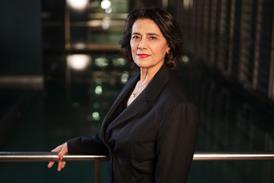
The festival, under new head Isabel Arrate Fernandez, also attracted around 2,600 industry professionals, with many delegates praising the camaraderie the festival provides for the documentary community in a period of economic and political turbulence.
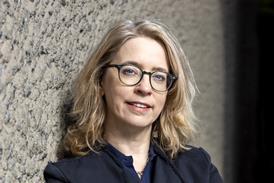
“What was good about IDFA? To see old friends, to meet new people, to feel a certain solidarity,” said Esther van Messel, founder and CEO of Swiss-based sales, distribution and production outfit First Hand Films.
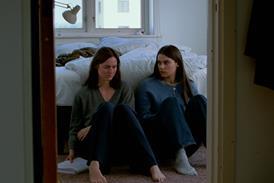
Prize winners this weekend also welcomed the exposure the festival gives them. “Like so many other independent works, [our film] must navigate a saturated landscape, and recognitions like this help us remain visible,” said Spanish director Miguel Eek, after his anti-colonial political biopic Amílcar, sold by Odd Slice Films, won the Envision award for outstanding artistic contribution.
Some industry professionals, however, questioned the cost of attending at a time when theatrical distribution is in a rut and streamers and broadcasters are buying fewer documentary titles.
“Amsterdam is expensive. In the past, they had the opportunity to meet, in an organised way, broadcasters or other producers they can work with, but the reality is the broadcasters are simply not there anymore,” suggested Jan Rofekamp, CEO of Films Transit International, of the festival’s main industry event, IDFA Forum.
Some broadcasters were still in town during the IDFA forum to attend the European Broadcasting Union’s autumn meeting and pitching session for documentary experts, which happens during IDFA.
Meanwhile, leading North American companies attended to hold both market screenings and screenings aimed at award voters. Netflix and National Geographic each hosted parties during IDFA and screened awards-season hopefuls, including The Alabama Solution, Love+War and The Tales Of Silyan.
Two further Netflix titles that are also in this year’s awards season mix – Apocalypse In The Tropics and Cover-Up – played in IDFA’s official selection.
Not many deals
In line with other major markets, including Toronto and AFM, few deals were announced during this year’s IDFA.
“The [IDFA] brand is less powerful than 10 years ago. I respect their choice, but no distributors will pick up films from the competition,” suggested Frédéric Corvez of Paris-based Urban Group, which earlier this year closed its doc sales arm Reservoir Docs, because “a sales company dedicated to documentary is not sustainable anymore”.
Arrate Fernandez countered that viewpoint. “What I see is an industry trying to figure out how to find new ways and create new opportunities,” said the IDFA director, defending this year’s diverse selection. “If the market is going to present the audience with the same thing, the audience will lose interest.
“We see it as our role to show what documentary can be in the broad sense,” she added. “That is what you see reflected in our programme.”
IDFA remains a strong showcase for a huge range of films. It offers panels and sessions that deal with every step of the filmmaking process. For example, this year saw the launch of Doc Shelter, an international consultancy agency set up to support documentary filmmakers and producers with everything from story development to festival strategy.
However, anecdotal evidence from various attendees suggests filmmakers outnumbered the buyers and commissioners. There was also some discomfort about how the festival’s refusal to accredit organisations receiving Israeli state funding was handled – a step the festival insists was necessary to take.
“These people are our friends,” one delegate noted of organisations including DocAviv and CoPro - The Israeli Co-Production Market that were affected by the ban.
“I completely disagree with their policy, how they implemented it, and how they’ve defended it. Film is what brings us together, stories told authentically showcasing different perspectives,” agreed Shoshi Korman, co-managing director of Tel Aviv-based sales outfit Cinephil, whose documentary Notes Of A True Criminal was pulled from the festival by its director Alexander Rodnyansky in protest.
Despite these misgivings, however, few would question IDFA’s continuing role as Europe’s preeminent documentary event. The current upheaval in the sector may even have heightened its importance.
For her part, Arrate Fernandez expressed confidence about the sector’s prospects.
“What makes me optimistic is all these filmmakers doing this work despite the difficulties they have faced,” she commented. “That drive and sense of urgency to tell stories – my optimism lies in that.”


No comments yet